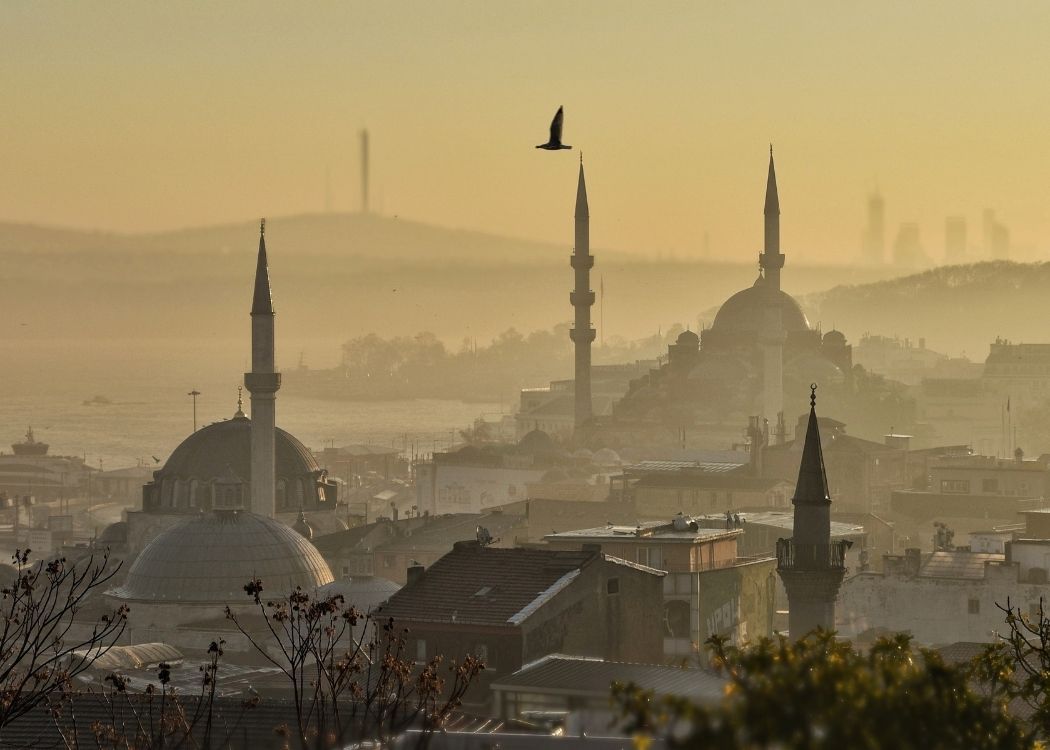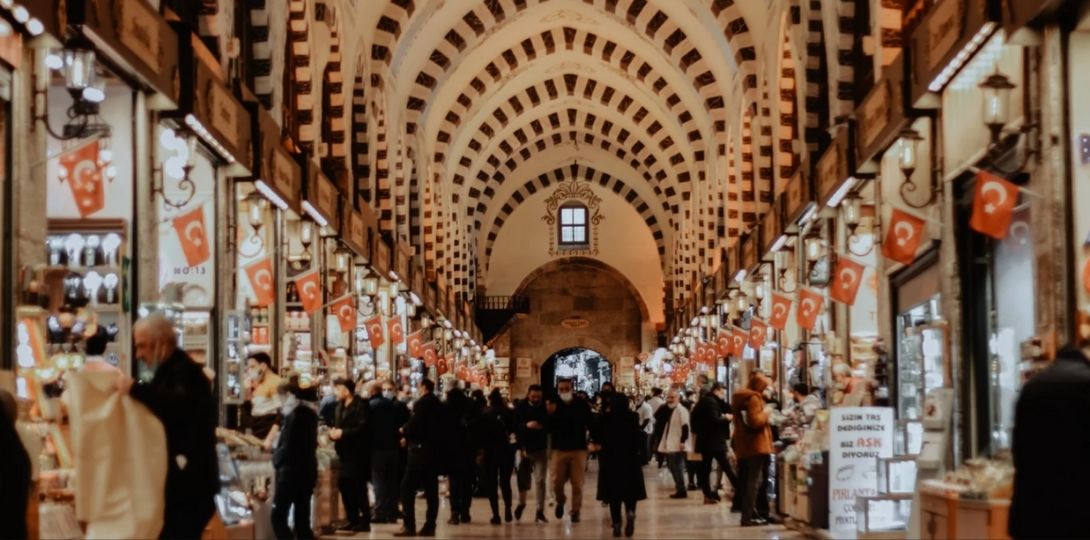




This guide walks through how a bath actually works step by step, what to wear and what to skip, the etiquette that keeps you comfortable, and which historic baths are worth your money. Near the end you'll see exactly where the hammam benefit on your pass fits, and how to book a slot through the app. Hammam is an amazing Istanbul experience that only could be lived in this city.
| Hammam at a glance | |
| What it is | A wet steam bath followed by an exfoliating scrub and foam wash on heated marble |
| Typical visit | 60–90 minutes from changing room to tea |
| Self-service entry | Around 400–700 TL (April 2026); bring your own soap and towel |
| Full ritual with scrub | Roughly 1,800–4,500 TL (≈ $56–140 USD) at historic baths (April 2026) |
| What to wear | Provided cotton wrap (peştemal); swimwear optional, never fully nude in mixed areas |
| Best time | Right after a long sightseeing day, or a cool, rainy afternoon |
What a hammam actually is
The Turkish bath grew out of Roman and Byzantine bathing culture and became woven into Ottoman daily life a place to wash before prayer, mark a wedding, or simply gossip for an afternoon. The grandest examples were commissioned by sultans and their architects, including the 16th-century master Mimar Sinan, and several are still working baths four centuries later.
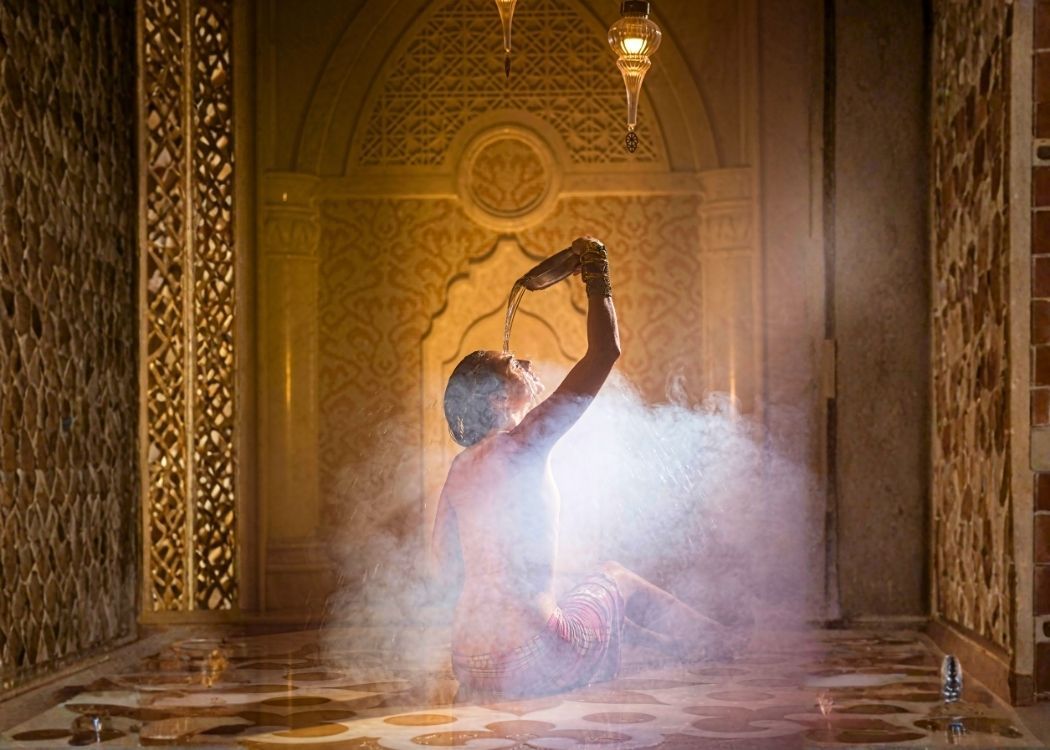
Architecturally, a classic bath has three zones built around heat. You move from a cool entrance hall through a warm transition room into the hararet (hah-rah-RET, the hot steam room), a domed marble chamber with a raised heated slab at its center called the göbektaşı (gur-BEK-tah-shuh, belly stone). The little star-shaped holes in the dome are not decoration alone they vent steam and throw the soft, shifting light the baths are known for.
Crucially, a real hammam is wet heat, not the dry heat of a sauna. The room sits warm and humid rather than searing, which is why you can lie on the marble for twenty minutes and feel loosened rather than wrung out. If you have never done it, that distinction is the thing to hold onto.
How a hammam visit works, step by step
The choreography is the same almost everywhere, so once you know the rhythm you can walk into any bath in the city and feel at ease. Here is how a typical full ritual unfolds.
Change and wrap up. You get a private cubicle, a thin cotton wrap called a peştemal (pesh-teh-MAHL), and a pair of wooden or rubber clogs. Leave your clothes and valuables in the locker; bring only the wrap and yourself into the heat.
Warm up on the marble. In the hot room you lie or sit on the göbektaşı for fifteen to twenty minutes. Ladle warm water over yourself from the marble basins along the walls, breathe, and let the steam open your pores. There is no rush, and no one will hurry you.
*The scrub (kese). An attendant works over you with a coarse mitt, also called a kese* (KEH-seh), lifting off astonishing grey ribbons of dead skin. It is firm, a little startling the first time, and leaves you genuinely smoother than any product can.
The foam wash. Next comes a cloud of olive-oil-soap lather, swung over you from a soapy cloth bag and massaged in. This is the part everyone remembers being buried under warm foam under a marble dome.
Rinse and cool down. You rinse off at the basins, then move to the cool room wrapped in dry towels. Most baths bring you çay (chai, tea) or a cold drink while your body temperature settles.
Optional oil massage. Many baths offer a 20- to 30-minute oil massage as an add-on once you have cooled slightly. It is rarely included in the base price, so ask before you nod yes.
First-timer tip: drink water before and after, not during. The heat dehydrates you faster than it feels like it does.
Etiquette and what to wear
The rules are simple once someone tells you them, and getting them right is the difference between feeling self-conscious and feeling looked after. None of this is rigid, but it keeps you comfortable and respectful of a space many locals still use weekly.
Modesty. Most historic baths are gender-separated by room or by time slot. In separated sections, locals often bathe in just the wrap; foreigners commonly keep on swimwear bottoms, which is completely fine. Full nudity in mixed or couples' sessions is not the norm keep the wrap on.
Keep the wrap on the marble. Sit or lie on your peştemal rather than directly on shared marble. It is both hygiene and habit.
Tipping. A tip for your scrub attendant of roughly 10–15 percent is customary and genuinely appreciated; many work largely for tips.
Phones stay in the locker. The hot rooms are wet, humid, and private. Photos of other bathers are a hard no.
Go gently after. Skip alcohol and a heavy meal straight afterward. A long, slow tea and a slow walk home is the right move.
Shaving. Don't shave the same morning freshly shaved skin and a coarse exfoliating mitt are an unhappy combination.
What's provided vs. what to bring Provided at most baths: cotton wrap, clogs, soap and scrub for the full ritual, towels, and tea. Worth bringing: swimwear if you prefer it, a hair tie, a comb, and a little cash for tipping. For self-service entry only: bring your own soap, shampoo, and a scrub mitt, since these are not included at the lower price. |
Historic baths worth your time
Istanbul has dozens of working baths, from tourist-polished showpieces to neighbourhood spots where a scrub costs less than lunch. Below are the ones I send people to, with a note on who each suits. Prices are full-ritual estimates for April 2026 and move with the season, so confirm when you book.
Çemberlitaş Hamamı the classic first-timer choice
Built in 1584 to a design by Mimar Sinan, Çemberlitaş Hamamı sits one tram stop from Sultanahmet and is the easiest historic bath to fold into a sightseeing day. The twin domed hot rooms are genuinely beautiful, the staff are used to nervous newcomers, and the full scrub-and-foam package runs around 2,800–3,600 TL (≈ $87–112 USD, April 2026). It is busy and not cheap, but for a first bath in a 440-year-old room it is hard to beat.
Kılıç Ali Paşa Hamamı the design-lover's bath
Also a Sinan building, beautifully restored, Kılıç Ali Paşa Hamamı in Karaköy runs single-gender sessions in timed blocks (check the schedule before you go, as men's and women's hours differ). The huge single dome is the most photogenic in the city before the doors open. Expect roughly 3,000–4,000 TL (≈ $94–125 USD, April 2026) for the full treatment. Pair it with a fish sandwich on the waterfront afterward.
Hürrem Sultan Hamamı the grand splurge
Standing between Hagia Sophia and the Blue Mosque, Hürrem Sultan Hamamı is a 16th-century bath commissioned for Süleyman the Magnificent's wife and the most lavish and most expensive option, with packages from around 4,000 TL and well past it. Worth it for a special occasion; overkill if you only want a good scrub.
Neighbourhood baths the budget route
Away from Sultanahmet, local baths in districts like Fatih or on the Asian side charge 400–900 TL (April 2026) for self-service entry and far less than the showpieces for a scrub. They are plainer and rarely have English signage, but the experience is the real, unvarnished thing. If you want to combine one with a food-heavy day across the water, our 3-day pass usage guide sketches a Kadıköy afternoon that pairs well.
Where your pass fits
A hammam session is included on the upper tiers of the pass, which means the entry and a standard scrub-and-foam treatment at a partner bath are covered rather than paid at the door. On a sightseeing-heavy trip, that turns a 3,000-plus-TL splurge into something you have effectively already paid for and it tends to be the benefit people are most surprised they used.
Two practical notes. First, the included bath is a specific partner venue listed in the app, not any hammam in the city, so check which one before you build your afternoon around it. Second, premium add-ons a long oil massage, a private room, a clay mask sit outside the included treatment and are paid separately. To see how the benefit is activated and redeemed, our pass app guide shows the screens. New to the whole thing? The how to activate your pass walkthrough takes about two minutes.
Booking your included hammam through the app Open the app, find the hammam experience under your benefits, and reserve a time slot a day ahead historic baths fill up, especially on rainy afternoons. Bring the digital pass and your booking reference; the bath scans it at reception for straight-in entry. Tipping the scrub attendant is not covered by the pass carry a little cash for that. |
How a hammam fits into your day
Timing makes or breaks the experience. A bath is a closing ritual, not an opener schedule it for late afternoon or early evening, after the walking is done, so you can drift home loose and clean rather than back into a museum queue.
After the Old City. Finish Hagia Sophia, Topkapı, and the Basilica Cistern, then walk to Çemberlitaş for a late-afternoon scrub. The monuments and the bath sit within a few tram stops; our Sultanahmet trio guide orders the morning so you arrive relaxed, not rushed.
On a rainy day. April hands out the odd wet afternoon. A bath is the perfect indoor pivot when the showers roll in off the Bosphorus.
Before a night out, not after. A hammam before dinner leaves you glowing; after a big meal and wine it can leave you light-headed. If you're planning an evening Bosphorus cruise, bathe first, then sail.
Allow ninety minutes, not thirty. Rushing the cool-down with tea is the one regret people mention. Build in the time.
Common mistakes to avoid
Treating it like a sauna. It is wet heat. Lie down, ladle water, and stay longer than you think you should.
Booking the cheapest 'package' online without reading it. Some bargain listings are entry only, with the scrub sold hard on arrival. Know what you've paid for.
Wearing nothing in a mixed session. Keep the wrap on outside single-gender rooms.
Skipping the tip. Attendants do physical work and rely on it.
Going dehydrated or hungover. Both turn a relaxing hour into a queasy one.
Plan a hammam into your trip If your days are sightseeing-heavy and you'd like a bath without paying 3,000-plus TL at the door, check which tier includes the hammam experience and reserve your slot in the app a day ahead. Get your pass and start planning. |
Frequently asked questions
Is a hammam included with the Istanbul city pass?
Yes, on the upper tiers. Entry and a standard scrub-and-foam treatment at a specific partner bath are covered; you reserve a time slot in the app. Premium extras like a long oil massage or a private room are paid separately, and the attendant's tip isn't covered either.
What should I wear in an Istanbul hammam?
You're given a thin cotton wrap called a peştemal, and that's enough in single-gender rooms. Many visitors keep swimwear bottoms on for comfort, which is perfectly acceptable. Avoid full nudity in any mixed or couples' session, and leave jewellery in your locker.
How much does a Turkish bath cost in Istanbul in 2026?
Self-service entry at a local bath runs roughly 400–700 TL (April 2026). A full scrub-and-foam ritual at a historic bath costs about 1,800–4,500 TL (≈ $56–140 USD), depending on the venue and any add-ons. Neighbourhood baths cost far less than the Sultanahmet showpieces.
Is the scrub painful?
No, though the first time can feel startling. The coarse mitt is firm rather than painful, and the grey ribbons of dead skin it lifts are oddly satisfying. Tell the attendant if you'd like it gentler; they adjust without fuss.
Are men and women separated in a hammam?
Usually, yes either by separate rooms or by timed slots on different hours of the day. A few baths offer mixed or couples' sessions where you keep swimwear on. Always check the schedule before you go, since men's and women's hours often differ.
How long does a hammam take?
Budget 60 to 90 minutes from changing room to your final glass of tea. The hot-marble warm-up is about twenty minutes, the scrub and foam another twenty to thirty, and the cool-down should not be rushed. Allow more if you add an oil massage.
Can I go to a hammam on a rainy April day?
It's arguably the best day for it. When showers blow in off the Bosphorus, a warm bath is the ideal indoor pivot, and the historic domes look their most atmospheric in low light. Book a slot a day ahead, as rainy afternoons fill up fast.
Useful Turkish for the baths
hamam (hah-MAHM): Turkish bath the steam-and-scrub ritual
peştemal (pesh-teh-MAHL), the thin cotton wrap you bathe in
Kese (KEH-seh), the coarse exfoliating mitt, and the scrub itself
göbektaşı (gur-BEK-tah-shuh), the heated central marble slab you lie on
çay (chai), tea the customary drink in the cool-down room