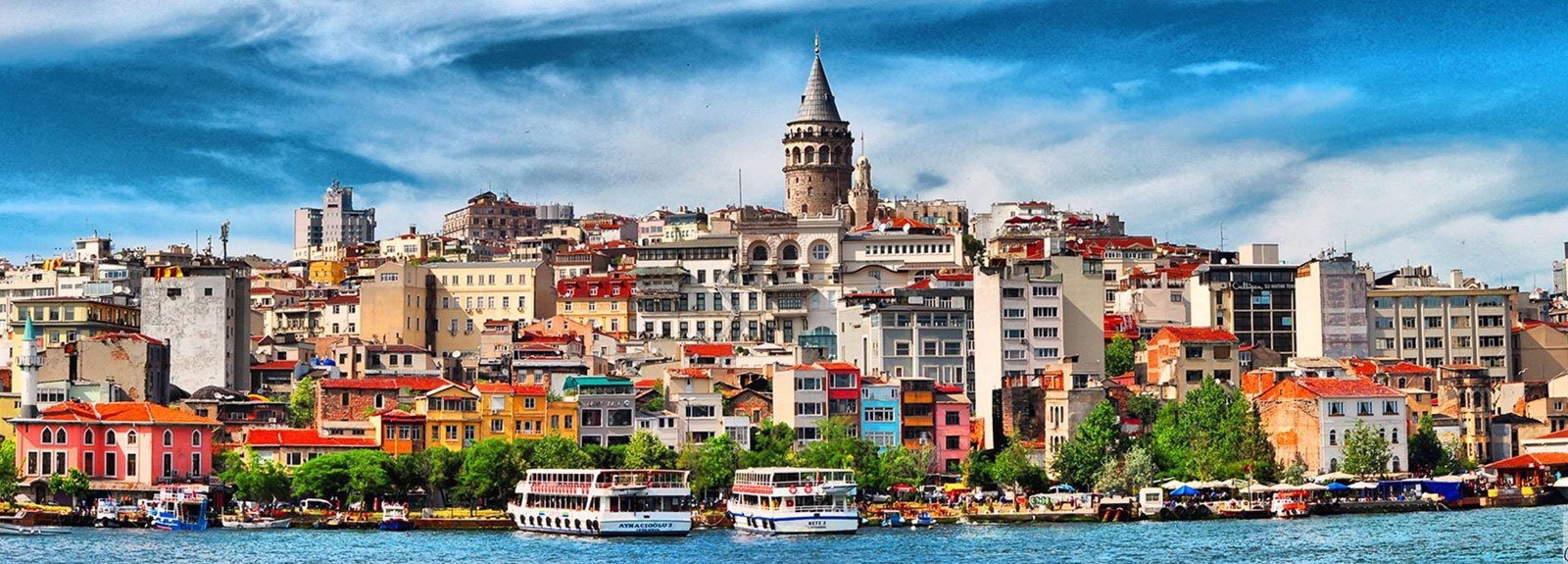





This is my honest, opinionated guide to eating here the districts I send friends to, the dishes worth the calories, the tourist traps I'd skip, and where the guided gastro experiences on your pass genuinely add something a solo wander can't. It's long, because Istanbul's food deserves it. Skim by neighbourhood, or read it through and build a day around your stomach.
How to read this guide I've split the city into the five neighbourhoods I actually eat in, with the dishes and specific places I rate in each. A separate section covers the food experiences bundled with your pass a guided tasting walk and a cooking workshop and exactly when they're worth your time over going it alone. Prices are per person and tagged with the month, because Istanbul's prices move fast and I'd rather you not be surprised at the till. |
First, how Istanbulites actually eat
Before the where, a little about the rhythm, because it shapes everything. Breakfast (kahvaltı, kah-VAHL-tuh) is a long, sprawling affair on weekends cheeses, olives, tomatoes, menemen (eggs scrambled with pepper and tomato), honey, and endless tea. Lunch is fast and savoury: a pide salon, a köfte counter, a fish sandwich. Dinner stretches late, especially at a meyhane (mey-hah-NEH), the tavern-style spots where small plates (meze) and rakı (rah-KUH, the aniseed spirit) carry the table for hours.
Two habits will save you money and improve every meal. First, follow the queues that are made of locals, not tour groups Istanbulites are ruthless about where they eat and won't wait for mediocrity. Second, accept the tea. A glass of çay (chai) arrives unbidden at the end of half the meals you'll eat, and it's usually a gift. Sit, sip, and watch the street; that pause is half the point.
Eminönü and the Spice Bazaar: where I start hungry
If you only have one food morning, spend it here, on the old-city waterfront where the ferries dock. The signature bite is balık ekmek (bah-LUHK ek-MEK, grilled fish in bread) a fillet of mackerel charred over coals, slid into a crusty roll with raw onion and a squeeze of lemon. The boats moored by the Galata Bridge at Eminönü do the most theatrical version, rocking on the wake as they cook. It runs 150–220 TL (May 2026). Honest note: the waterfront versions are about the spectacle as much as the sandwich; the fish is fine, not transcendent. I rate the quieter grills a street back just as highly for less jostling.
Wash it down with a glass of şalgam (SHAL-gam, a tart fermented turnip juice) if you're brave, or a sweet boza in cooler months. Then walk into the Spice Bazaar (Mısır Çarşısı) yes, it's touristy, yes, the vendors hustle hard, but the saffron, the dried fruit, the lokum, and the spice mounds are still worth a slow lap. Buy where prices are marked and skip the stalls that won't name a number until they've sized up your wallet.
Around the back of the bazaar, the real prize is the network of working food shops where the city actually buys: Kurukahveci Mehmet Efendi for coffee (the queue moves fast and smells incredible), the cheese and pastırma (cured beef) sellers on the lanes, and a couple of century-old lokanta counters serving home-style stews by the ladle. This is where I'd bring a guide, frankly the stories behind these shops are not on any English sign.
Eminönü, what I'd eat and spend Balık ekmek (fish sandwich): ~150–220 TL (May 2026). Turkish coffee + a bite of lokum: ~80–150 TL (May 2026). Bag of spices or tea to take home: ~150–400 TL depending on quantity (May 2026). |
Karaköy: my favourite half-mile of eating
Just across the Galata Bridge, Karaköy has gone from a hardware district to one of the city's best eating quarters in about a decade, and it still holds a real working-port edge under the new cafés. This is where I take visitors who say they don't like Turkish sweets because of Karaköy Güllüoğlu, the baklava house that converts sceptics. A portion of pistachio baklava (bahk-lah-VAH) here, properly crisp and not cloying, is about 180–280 TL (May 2026) and worth every lira. Find it near the Karaköy waterfront.
For something savoury, hunt down a kokoreç (koh-koh-RECH) counter if you're adventurous seasoned grilled lamb intestines, chopped fine on a griddle with oregano and pepper, served in bread. It sounds confronting and tastes wonderful; this is the dish I most often have to talk people into and most often watch them order again. Around 120–200 TL (May 2026). Not for everyone, and that's fine Karaköy also does excellent simple çiğ köfte wraps and third-wave coffee for the faint of heart.
What I love about Karaköy is the density: in three blocks you can have baklava, a coffee roasted that morning, a fish lunch by the water, and a meze dinner, without walking more than ten minutes. What I'd warn against is the rooftop bars that have multiplied here the views are real, the cocktails are overpriced, and the food is an afterthought. Drink one for the Bosphorus panorama, then go back down to street level to actually eat.
Kadıköy: the Asian side that lives to eat
Take the 20-minute ferry from Eminönü or Kabataş to Kadıköy and you arrive in the district I'd choose if I could only eat in one. It's lighter on tour groups, heavier on the kind of food obsession where shopkeepers argue about the right cheese. The Kadıköy market (Çarşı) is the engine: fishmongers shouting the morning's catch, pickle shops with jars of everything from cucumbers to whole stuffed aubergines, pastane (pastry shop) windows fogged with sugar. Wander the lanes off the Kadıköy ferry terminal with no plan and graze.
My fixed stops here: a tub of pickles (turşu, toor-SHOO) sipped as juice from a paper cup, which sounds odd and is gloriously refreshing; a midye dolma (MEED-yeh dohl-MAH, mussels stuffed with spiced rice) bought three at a time from a street tray, dressed with lemon, at maybe 15–25 TL each (May 2026); and a long sit in a çay garden in Moda, the leafy seafront neighbourhood ten minutes' walk south, where a glass of tea buys you an hour of sea breeze. The walk down to Moda's waterfront at sunset, ice cream in hand, is one of my favourite free things to do in the whole city.
For a proper sit-down meal, Kadıköy's meyhane alleys come alive after dark with meze, grilled fish, and rakı. A relaxed dinner with a few small plates and a drink lands around 600–1,100 TL (≈ $19–34 USD) per person (May 2026), less if you skip the alcohol, which carries heavy tax here. I unpack this whole district, stop by stop, in our Kadıköy and Moda guide it deserves its own day.
Beyoğlu and the Fish Market: tea, meze, and one trap to avoid
Up the hill from Karaköy, Beyoğlu spreads around İstiklal Avenue, and its eating is a study in contrasts. The Balık Pazarı (Fish Market) off İstiklal is photogenic and historic, but I'll be blunt: several of the restaurants packed into Nevizade and the surrounding alleys lean on the location and the foot traffic, and the meze can be tired and the bill padded. Eat here for the atmosphere and the late-night music spilling out of the meyhane, but choose a place full of locals, ask prices before you sit, and check the bill.
What I do rate up here: the midye tava (fried mussels on skewers with a garlicky walnut sauce) from a good counter, a plate of grilled kuzu pirzola (lamb chops) at an old-school ocakbaşı grill, and a stop for künefe (kuh-neh-FEH, a hot cheese pastry soaked in syrup and crowned with pistachio) at a dedicated sweets shop 150–250 TL (May 2026) of pure indulgence. For coffee, skip the chains on İstiklal and duck into the side streets toward Galata.
Beyoğlu is also where a guided tasting walk earns its money, because the good and the mediocre sit side by side and it's genuinely hard to tell them apart from the street. A guide who eats here weekly walks you past the traps straight to the counters worth your appetite which brings me to the experiences on the pass.
The gastro experiences on your pass and when they're worth it
I came to the pass's food offerings as a sceptic I eat for a living and rarely think I need a guide. Two of them changed my mind, and one I'd take or leave depending on the traveller. Here's the straight version, because a guide is only worth it if it beats what you'd do alone.
The guided tasting walk
This is the standout. A small-group walk through one of the food districts usually the old-city markets or Beyoğlu with stops for balık ekmek, cheese and pastırma, sweets, and tea, all included in the price of the experience and led by a local who knows the shopkeepers by name. The value isn't only the tastings; it's being walked past the tourist-priced stalls to the ones locals use, with the history of each dish thrown in. For a first-timer, or anyone nervous about pointing at the wrong thing, it's the fastest way to eat well and learn the lay of the land. Book it for early in your trip and use the rest of the week to revisit your favourites solo.
The cooking workshop
The hands-on class typically meze, a main, and a sweet, eaten together at the end is the experience I didn't expect to love. You shop or prep, cook under a patient instructor, and sit down to your own work with the rest of the group. It's social, it demystifies dishes you'll keep eating all week, and you leave able to make a passable menemen at home. Worth it if you enjoy doing rather than only watching; skip it if your days are tight and you'd rather spend three hours eating than cooking.
The dinner cruise
On the upper-tier pass, a Bosphorus dinner cruise pairs a set menu with the floodlit waterfront gliding past. I'll be honest about this one: nobody books a dinner cruise anywhere for the cooking, and this is no exception the food is decent rather than memorable. What you're buying is the view and the evening, and on a warm May night with the palaces lit up, that's a genuinely lovely few hours. Treat it as a romantic or special-occasion night, not a gastronomy pilgrimage, and you'll come away happy. Our night Bosphorus cruise guide covers the evening sailings in detail.
How do you book any of these? Through the app open it, pick the food experience and a date, and reserve your slot the night before. No paper ticket, no queue at a desk; you show the screen and join the group. If you've never opened it, our how to activate your pass walkthrough takes two minutes.
What the food experiences would cost you separately
Here's the honest comparison for the gastro experiences, using typical standalone prices for May 2026. Food tours in Istanbul are not cheap when booked individually, which is where the pass quietly pays off if you'd do even two of them.
| Food experience | Booked standalone (May 2026) |
|---|---|
| Guided small-group tasting walk (3–4 hrs) | ~1,800–3,200 TL (≈ $56–100 USD) |
| Hands-on cooking workshop with meal | ~2,000–3,500 TL (≈ $63–109 USD) |
| Bosphorus dinner cruise (set menu) | ~1,500–3,000 TL (≈ $47–94 USD) |
| All three booked separately | ~5,300–9,700 TL (≈ $166–303 USD) |
Standalone tour prices are estimates for May 2026 and vary by operator, group size, and season. The experiences your pass includes vary by tier; confirm current inclusions and pricing on the Plan & Save page before you publish.
Even at the low end, doing the tasting walk and the workshop on their own runs close to 4,000 TL (May 2026). If your pass tier includes them, that's most of the card's cost recovered in two afternoons of eating before you've tapped into a single museum. For a food-led trip, that's where the value sits. Compare tiers in our 5-day pass usage guide and slot the experiences onto your eating days.
Dishes to chase and a few to skip
If you want a checklist, here's what I'd prioritise and, just as usefully, what I'd let pass.
Chase: balık ekmek by the water, menemen for breakfast, real pistachio baklava in Karaköy, midye dolma from a Kadıköy tray, künefe hot from the pan, and a proper meze spread with rakı at a meyhane.
Chase if you're brave: kokoreç, şalgam, and a çiğ köfte wrap the dishes that sound alarming and reward the leap.
Skip or downgrade: the photogenic 'rainbow' Turkish-delight pyramids aimed at tourists (buy plain, fresh lokum instead), and the saffron-priced 'Ottoman sherbet' carts near the big monuments.
Be wary of: menus with no prices in the Fish Market alleys, and any waiter who waves you in off the street with a free 'welcome' plate it's rarely free.
A food-led day, the way I'd do it
If you want one day built entirely around eating, here's mine flexible, walkable, and ferry-linked.
Morning: a long kahvaltı breakfast, then a slow lap of the Spice Bazaar and the coffee shops behind it in Eminönü.
Late morning: balık ekmek on the waterfront and a wander across the Galata Bridge into Karaköy for baklava.
Lunch: the guided tasting walk if you've booked it, otherwise graze Karaköy's counters.
Afternoon: ferry to Kadıköy, the market, pickles and midye dolma, then tea on the Moda seafront.
Evening: a meyhane dinner of meze and grilled fish in Kadıköy, or the dinner cruise if you fancy the water and the lights.
Plan your eating days Book the guided tasting walk for early in your trip so you spend the rest of the week revisiting the places you loved, and reserve the cooking workshop or dinner cruise in the app the night before. Come hungry and pace yourself Istanbul gives you more chances to eat than any stomach can take. Get your pass and start planning. |
Frequently asked questions
Are food tours included with the Istanbul city pass?
Yes depending on your tier, the pass includes gastro experiences such as a guided small-group tasting walk and a hands-on cooking workshop, with a Bosphorus dinner cruise on the upper tier. You book each through the app and join the group with your phone, rather than paying separately on the day. Inclusions vary by tier, so check the current list before you buy.
Which neighbourhood is best for street food in Istanbul?
Eminönü and the Spice Bazaar are the classic starting point for fish sandwiches, coffee, and spices, while Kadıköy on the Asian side is my pick for the most rewarding market grazing with fewer tour groups. Karaköy packs baklava, kokoreç, and fish lunches into a few walkable blocks.
How much should I budget per day for food in Istanbul?
Eating well on street food and market stalls, plan roughly 600–1,200 TL per person per day (May 2026). A relaxed meyhane dinner with meze and a drink can push that to 1,100 TL or more per person, mainly because alcohol carries heavy tax. Skipping the drinks brings the bill down sharply.
Is a guided food tour worth it, or can I just explore on my own?
Both work, and I do both. A guided tasting walk is worth it early in a trip because it steers you past tourist-priced stalls to the counters locals use and adds the history behind each dish. Once you know the lay of the land, exploring solo is cheap, easy, and half the fun.
Can vegetarians eat well on Istanbul food tours?
Very well. Turkish meze, fresh cheeses, olives, stuffed vegetables (dolma), menemen, börek pastries, and the city's produce markets give vegetarians plenty to chase. Tell your tour guide in advance and they'll route the tastings around meat-free stops; most cooking workshops can adapt the menu too.
How do I book the pass food experiences?
Open the app, choose the gastro experience and a date, and reserve your slot ideally the night before, as small-group walks and workshops fill up. There's no paper ticket; you show the screen on arrival and join the group. Spots are limited per departure, so don't leave it to the morning of.
Useful Turkish for eating in Istanbul
balık ekmek (bah-LUHK ek-MEK) grilled fish in bread the classic waterfront sandwich
meze (meh-ZEH) the small shared plates that anchor a long dinner
meyhane (mey-hah-NEH) a tavern serving meze and rakı late into the night
afiyet olsun (ah-fee-YET ol-SOON) "enjoy your meal" said before and after eating
hesap, lütfen (heh-SAHP loot-FEN) "the bill, please" useful in a busy meyhane