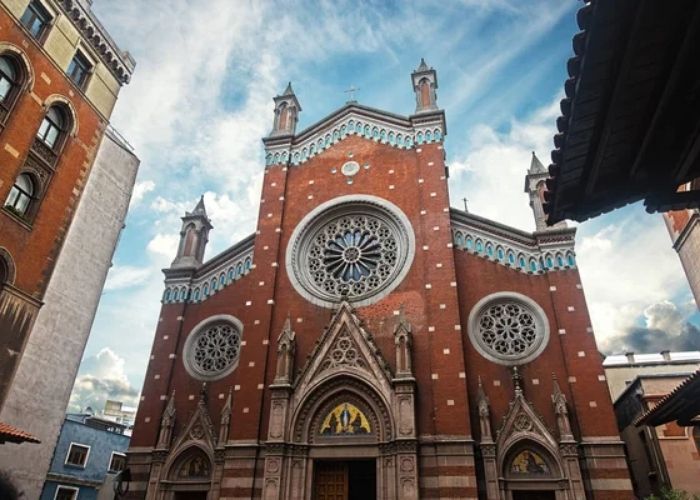





Three full days is the sweet spot for a first visit to Istanbul. It is enough to see the headline monuments without sprinting, ride the Bosphorus, and still spend an unhurried afternoon eating your way through a market. The trick is sequencing the city sprawls across two continents, and a badly ordered day can lose you two hours on trams and ferries.
This itinerary is built the way I route my own first-time guests: monuments clustered by neighbourhood, the expensive entries grouped onto the days a pass already covers them, and a final day given over to the parts of Istanbul that cost almost nothing. You will know, before you leave the hotel each morning, what is covered and what is coming out of your wallet.
| The three days at a glance | |
| Day 1 | Sultanahmet Hagia Sophia, Blue Mosque, Basilica Cistern, Topkapı |
| Day 2 | Bosphorus & Beyoğlu Dolmabahçe, cruise, Galata Tower, İstiklal |
| Day 3 | Asian side & free city guided walk, Kadıköy ferry, Moda |
| Pace | Moderate; about 12,000–16,000 steps a day |
| When to activate | Morning of Day 1, at your first paid sight |
| Out-of-pocket budget | ~650–1,400 TL per person per day (April 2026) |
A quick word on how the pass works before you start, because it changes the order of your trip. The clock starts on first use at your first attraction, not when you buy. So do not activate it at the airport or on a free-museum afternoon activate it the morning you walk into Hagia Sophia, and you get three clean days of monument access. If that is new to you, our activation walkthrough takes about two minutes.
Before you go: getting in from the airport
Most visitors land at Istanbul Airport (IST) on the European side, about 45 km from the old city. The cheapest route in is the M11 metro to the centre, then a tram or a short taxi roughly 100–150 TL with an İstanbulkart (ee-STAN-bool-kart, the rechargeable transit card), but with luggage and a late arrival it can mean two changes. A private transfer is door to door in about an hour and runs 1,000–1,500 TL (≈ $31–47 USD, April 2026) on its own; most pass tiers fold one in, which is worth knowing when you compare costs.
Pick up your İstanbulkart from a machine in the arrivals hall the moment you land you will use it every day, and it is far cheaper than buying single tokens. Top it up with 200 TL to start. For the full airport-to-first-stop routine, see our airport transfer and entry guide.
A small heads-up if you fly into Sabiha Gökçen (SAW) on the Asian side instead: it is a similar distance out, and the cheapest route is the bus or the M4 metro toward Kadıköy, then a ferry across. It is a longer haul, so factor an extra hour into your first afternoon and do not plan a monument visit for the day you arrive.
Where to base yourself for these three days
For a first trip on this route, two areas make the days shorter. Sultanahmet puts you inside Day 1 on foot and a short tram from everything else convenient, if a little quiet after dark. Beyoğlu, around Galata and Karaköy, is livelier in the evening, walkable to Day 2, and still a quick tram-and-funicular hop to the old city. Either keeps your daily transit time and cost down; both are well served by the network your İstanbulkart covers.
Day 1 The Old City (Sultanahmet)
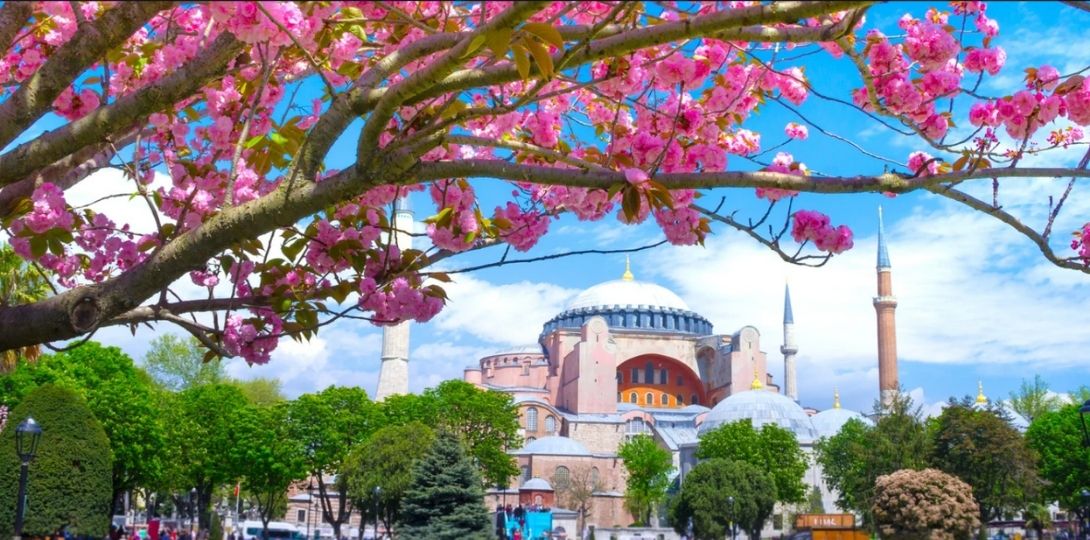
Day one stays entirely on foot in Sultanahmet, where the four biggest monuments sit within a 10-minute radius. Be at HagiaSophia (Ayasofya) for the 9 AM opening this is when you activate your pass and walk in at the pre-booked entry lane, which matters most once the tour groups arrive mid-morning. The building closes to visitors during the five daily prayer times, so check the day's schedule on the official museum information page.
Cross the square to the Blue Mosque (Sultan Ahmet Camii), free to enter outside prayer times dress modestly, women cover head and shoulders, and shoes come off at the door. Then drop into the Basilica Cistern (Yerebatan Sarnıcı), the floodlit underground Roman water chamber whose single ticket is one of the steepest in the city. Both are covered, so you are not reaching for your wallet between sights.
Break for a street lunch a köfte (KUFF-teh, grilled meatball) plate near the Hippodrome runs 150–250 TL (April 2026). In the afternoon, give Topkapı Palace a full two hours: the courtyards, the treasury, and the Harem (check the Harem is on your ticket it is the part people miss). Wind down through Gülhane Park, free and thick with tulips this month, on the way to the tram. The order here is deliberate; our Sultanahmet trio guide explains why doing the Cistern before Topkapı saves you backtracking.
Day 1 budget Covered by your pass: Hagia Sophia, Basilica Cistern, Topkapı + Harem. Free: Blue Mosque, Gülhane Park, Hippodrome, the square itself. Out of pocket: lunch + snacks ~250–400 TL · tram ~60 TL · tea and water ~80 TL (April 2026). |
Day 2 The Bosphorus and Beyoğlu
📷 IMAGE PLACEHOLDER Inline Day 2 header Suggested visual: The Bosphorus from a cruise deck on a clear spring day, waterfront palaces and wooden yali mansions along the European shore. Alt text: "Bosphorus waterfront palaces and wooden mansions seen from a cruise deck in spring" |
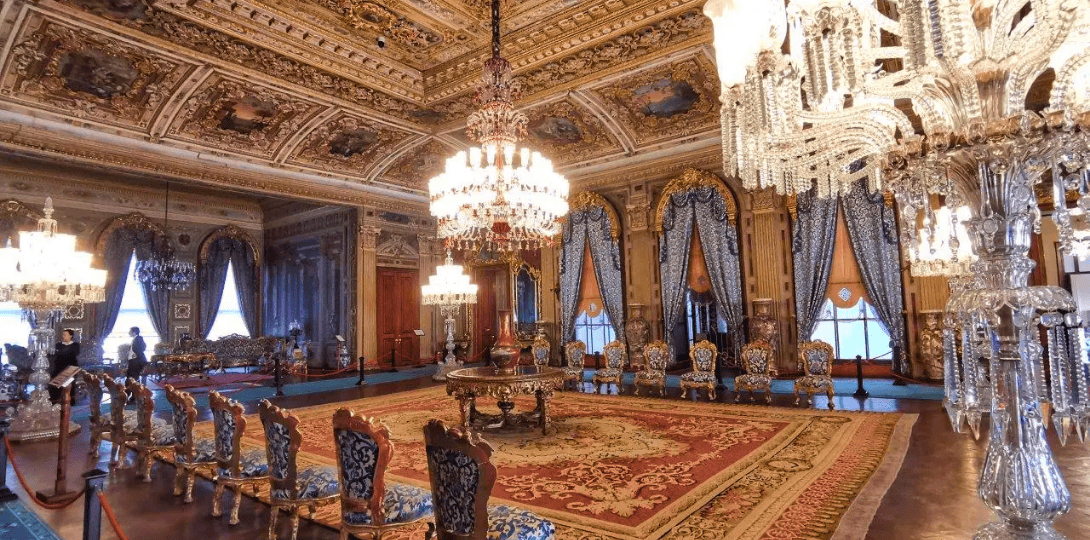
Day two crosses the Golden Horn to the newer European side. Start at Dolmabahçe Palace on the shore, the lavish 19th-century seat of the late Ottoman sultans, with its crystal staircase and a four-tonne chandelier; entry is covered. Go early Dolmabahçe sells timed slots and closes on Mondays, so this is a Tuesday-to-Sunday stop.
From the nearby quay, take the Bosphorus cruise bundled with your pass; April air on the open deck is the whole point. Sit on the European (left) side heading north for the best run of palace facades and wooden yalı mansions, and check sailing times on the Şehir Hatları timetable. After lunch in Karaköy a balık ekmek (bah-LUHK ek-MEK, grilled fish sandwich) by the water is 150–200 TL (April 2026) climb the hill to Galata Tower for the 360-degree panorama, also covered.
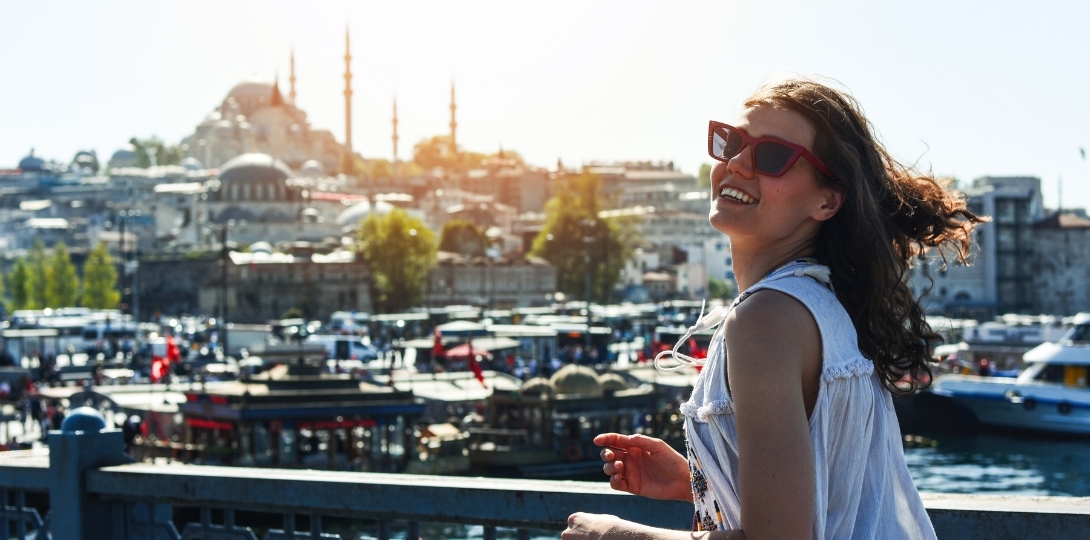
Spend the late afternoon walking İstiklal Avenue up toward Taksim: the nostalgic red tram, the side-street record shops, and the buskers are all free. As the light drops, the view back over the old city from the Galata Bridge costs nothing at all. For how the boat benefit works and where to board, see our Bosphorus cruise pass benefits.
Day 2 budget Covered by your pass: Dolmabahçe Palace, Bosphorus cruise, Galata Tower. Free: İstiklal Avenue, Galata Bridge, the waterfront walk in Karaköy. Out of pocket: lunch ~200–350 TL · transport ~80 TL · optional rooftop drink ~250–350 TL (April 2026). |
Day 3 The Asian side and the free city
📷 IMAGE PLACEHOLDER Inline Day 3 header Suggested visual: A market lane in Kadikoy on the Asian side, fishmongers and pastry windows, locals shopping, no tour groups, bright daylight. Alt text: "Kadikoy market lane on Istanbul's Asian side with fishmongers and pastry shops" |
Use day three for the Istanbul that costs almost nothing. Start with the free guided walking tour included with your pass book it the night before through the app to get the layers of old-city history from someone who lives here. Then catch a ferry from Eminönü to Kadıköy for about 30 TL (April 2026), one of the best-value rides anywhere: 20 minutes across the water with the skyline behind you, for the price of a bus ticket.
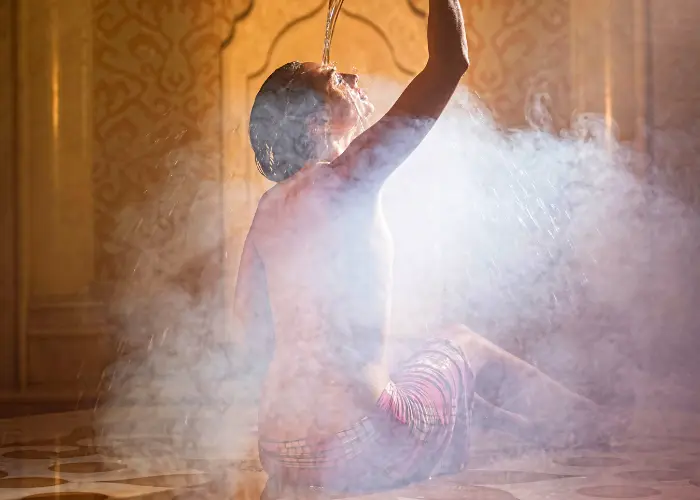
Kadıköy is the city's most food-obsessed district and refreshingly light on tour groups. Graze through the Kadıköy market fishmongers, pastry windows, pickle and spice shops then walk the Moda seafront to a çay (chai, tea) garden where locals nurse one glass for an hour. If you hold a higher-tier pass, slot in a hamam (hah-MAHM, Turkish bath) session in the afternoon; a warm marble scrub is exactly right for a cool April day, and the historic baths are included on the upper tiers.
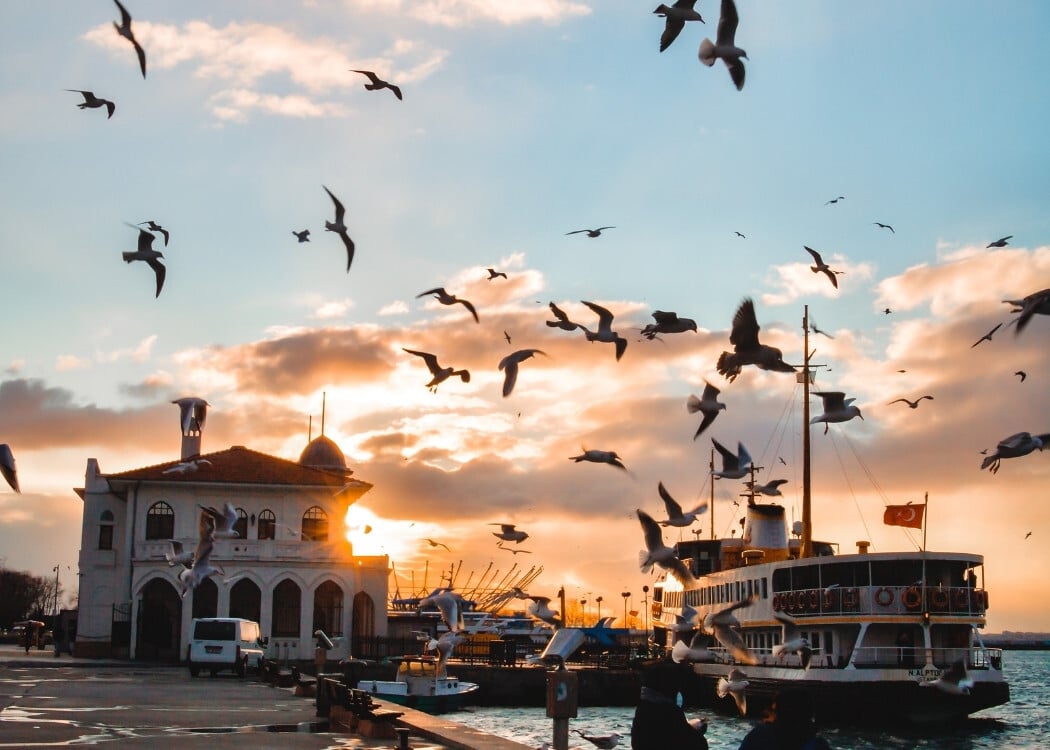
Back on the European side for your last evening, the Galata Bridge at sunset fishermen, simit sellers, the old-city silhouette is the free postcard to end on. If you have a fourth day, this is where I would add a Princes' Islands ferry trip; our first-timer planning notes cover how the costs stack up against single tickets.
Day 3 budget Covered by your pass: guided walking tour, hamam (on higher tiers). Free: Moda seafront, the Galata Bridge at sunset, window-shopping the market. Out of pocket: ferries ~60 TL · market food ~200–300 TL · tea ~60 TL (April 2026). |
What the pass covers vs. buying tickets
Here is the honest math for the paid sights in this three-day route, using single gate prices for April 2026. Add them up, then weigh them against one pass that also bundles the cruise, the guided walk, and an airport transfer.
| Sight in this itinerary | Single ticket (April 2026) |
|---|---|
| Hagia Sophia (gallery + audio) | ~1,450 TL |
| Basilica Cistern | ~1,300 TL |
| Topkapı Palace + Harem | ~2,500 TL |
| Dolmabahçe Palace | ~1,200 TL |
| Bosphorus cruise | ~600 TL |
| Galata Tower | ~800 TL |
| Total if bought separately | ~7,850 TL (≈ $245 USD) |
Single gate prices are estimates for April 2026 and differ for residents. Confirm current pass pricing on the Plan & Save page before you publish.
Those six entries alone come to roughly 7,850 TL (about $245 USD, April 2026) before you add the cruise (already counted), the guided walk, the hamam, or the airport transfer a pass typically includes. For a sightseeing-heavy first trip, that is where the value sits: fewer separate tickets, less queuing, one tap to enter. For the full break-even logic and where single tickets actually win, see our ticket-price comparison.
Free first-timer add-ons that cost nothing
The pass handles the big monuments; Istanbul hands you a lot of the rest for free. Slot any of these into the gaps and your daily spend barely moves.
Mosque interiors the Blue Mosque, Süleymaniye, and the New Mosque (Yeni Cami) are working mosques, free to enter outside prayer times. Dress modestly.
Tulips at Gülhane and Emirgan Parks the spring tulip displays carpet both in colour through April. Gülhane sits beside Topkapı, so it folds into Day 1.
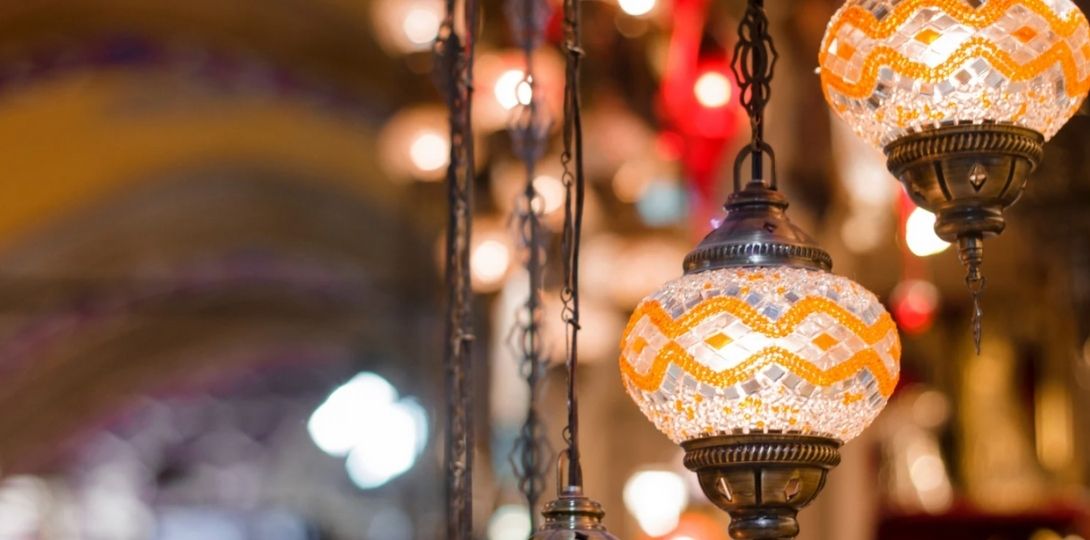
The Spice Bazaar and Grand Bazaar free to walk through; you only spend if you choose to. The Grand Bazaar's painted ceilings are worth the wander alone.
Ferry decks as viewpoints even a plain commuter ferry gives you the Bosphorus for the price of a transit fare.
Balat's painted streets the Golden Horn's most photogenic lanes ask only that you show up and walk.
Getting around without wasting time or money
Trams and ferries beat taxis for both price and traffic. A single ride is a few lira with your İstanbulkart; top it up at any kiosk or machine.
Walk the Old City. Hagia Sophia, the Blue Mosque, the Cistern, and Topkapı sit within a 10-minute radius do not take transport between them.
Use ferries as scenic transport. The Eminönü–Kadıköy crossing doubles as a mini Bosphorus trip for ~30 TL (April 2026).
Eat where the queue is local köfte houses, pide (PEE-deh, boat-shaped flatbread) salons, and market stalls are filling and cheap, and rarely a tourist trap.
Common first-timer mistakes to avoid
Activating the pass too early. The clock starts on first use; do not waste a day by tapping in at the airport or on a free afternoon.
Visiting Dolmabahçe or Topkapı on their closed day. Dolmabahçe shuts Mondays; check each monument's weekly closure before you lock in your days.
Underestimating prayer-time closures. Hagia Sophia and the mosques pause for visitors five times a day arrive at opening or mid-afternoon.
Trying to cross continents twice in one day. Group sights by side of the water, as this plan does, or you will spend the trip in transit.
Plan your three pass days Activate on the first morning you visit a paid sight, set your three days to fall on this route, keep one indoor stop per day in reserve for rain, and you will cover every major monument without buying a single separate ticket. Get your pass and start planning. |
Frequently asked questions
Is three days enough for a first visit to Istanbul?
Yes. Three full days cover the headline monuments, a Bosphorus cruise, and a relaxed day on the Asian side without rushing, which is why this itinerary is built around a 3-day window. Add a fourth day for a Princes' Islands trip if you have the time.
When does the pass start counting purchase or first use?
The clock starts on first use at your first attraction, not at purchase. Buy in advance for peace of mind, then activate on the morning you begin sightseeing, ideally at Hagia Sophia on Day 1.
What will I still pay for on this itinerary?
Food, public transport, tea, and any optional extras like a rooftop drink. Budget roughly 650–1,400 TL per person per day for meals and getting around (April 2026), on top of the pass and your room.
Can I follow this plan without taking any taxis?
Entirely. Trams, ferries, the funicular, and your own feet reach every stop in this guide. A taxi is only worth it late at night or, with luggage, for the airport run.
Which sights need timed tickets or have closed days?
Dolmabahçe sells timed entry slots and closes on Mondays; Topkapı closes Tuesdays in some seasons. Hagia Sophia and the mosques pause for the five daily prayer times. Check each before fixing your three days.
Is April a good month for a first trip?
Very. Highs sit around 16–17°C, the tulips are out, and crowds are well below summer. Pack a light rain layer and keep one indoor stop per day in reserve, and the occasional shower will not slow you down.
Useful Turkish for your first trip
İstanbulkart (ee-STAN-bool-kart) the rechargeable card for trams, ferries, the funicular, and buses
merhaba (MER-hah-bah) hello the easy, friendly all-purpose greeting
balık ekmek (bah-LUHK ek-MEK) grilled fish sandwich, the classic waterfront lunch
çay (chai) tea, offered everywhere and often free with a meal
teşekkürler (teh-shek-KEWR-ler) thank you worth learning on day one