




A quick note from us: This guide features the Istanbul Tourist Pass®, our own product. Every recommendation here is built on genuine, first-hand experience, and we always include our best tips, timings, and free viewpoints whether they tie into the pass or not.
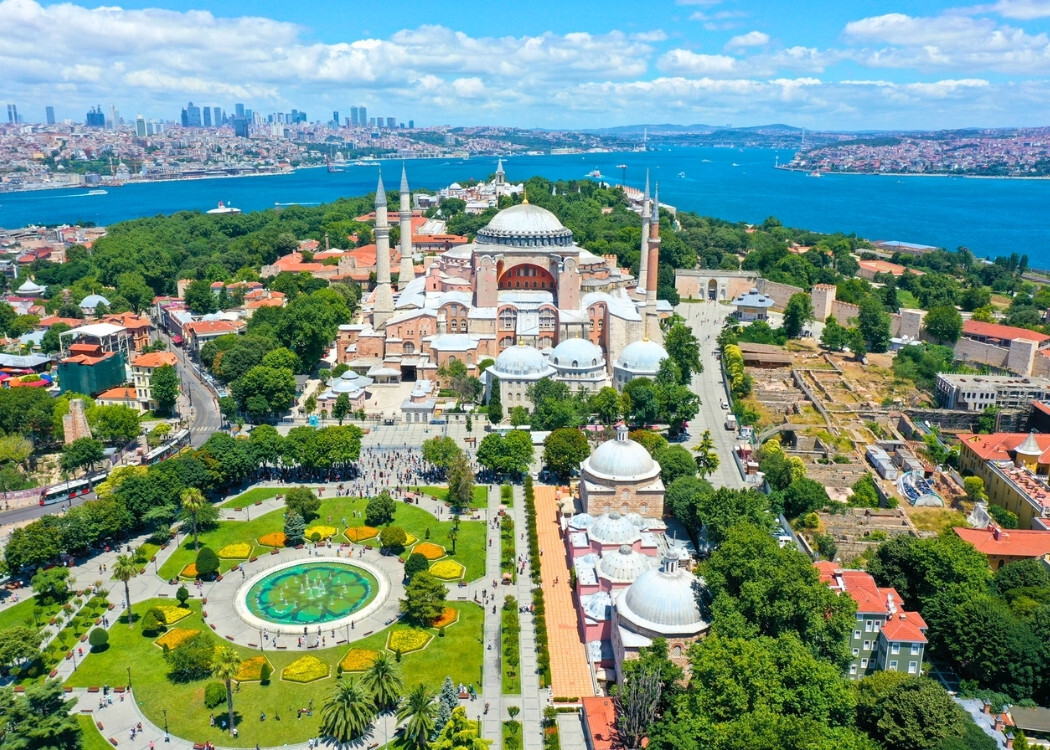
Hagia Sophia, known locally as Ayasofya, has lived many lives. It has been a cathedral, a mosque, a museum, and is now a working mosque once again. At almost 1,500 years old, it remains the one building that completely takes a visitor's breath away. However, the way you visit in 2026 has changed significantly. A little bit of advance planning is now the difference between spending 10 minutes admiring the iconic dome or spending an hour shuffling uncomfortably in a hot queue outside.
This guide breaks down the latest 2026 ticketing rules, the absolute best times of day to arrive, exactly what to look for once you step inside, and how choosing guided entry with your pass lets you cruise right past the ticket windows. Gate fees in Istanbul tend to change quickly, so we have kept all our pricing updated right for May 2026.
| Hagia Sophia at a Glance (May 2026) | |
|---|---|
| Location | Sultanahmet, Fatih (You can find it on Hagia Sophia (Google Maps)) |
| Upper Gallery (Tourist Route) | Open daily, roughly from 9:00 AM to 6:30 PM. Please note it closes to tourists during the five daily prayer sessions. |
| Ground-Floor Prayer Hall | Free to enter outside of active prayer times, provided you follow modest dress codes. |
| Gallery Ticket Cost | Approximately 1,450 TL (roughly $45 USD) for international visitors. |
| Time Needed Inside | We recommend budgeting 45 to 90 minutes to fully see the gallery and the ground floor. |
| Best Arrival Windows | Right at the 9:00 AM opening whistle, or during the final 90 minutes before the doors close. |
A 1,500-Year Story in One Building
What makes Hagia Sophia so incredibly special is the layered history built right into its walls. Emperor Justinian completed the cathedral back in 537, and for nearly a thousand years, it stood as the grandest church in Christendom. It was the absolute heart of the Byzantine Empire and the sacred space where monarchs were crowned. Its massive dome was a daring architectural gamble that succeeded beautifully. In fact, writers from the era remarked that the dome didn't even seem to rest on solid stone, but rather looked as if it were suspended from heaven on a golden chain.
When the Ottomans arrived in 1453, Mehmed the Conqueror converted the structure into a mosque. He added the elegant minarets defining the skyline today, along with the monumental calligraphic roundels and a beautifully carved mihrab, the prayer niche pointing toward Mecca, which sits slightly off-center to align with the holy city. Fast forward to 1935, and the young Turkish Republic designated it a museum, before it returned to active use as a mosque in 2020. Because every single one of these historical layers is visible at the exact same time, having a guide by your side is a game-changer. The building is magnificent, but it does not explain its own secrets.
How the 2026 Ticket System Works
Since 2024, Hagia Sophia has carefully separated its spiritual and historical roles. The grand ground-floor prayer hall remains an active mosque and costs nothing to enter outside of daily prayer times. On the flip side, the upper gallery, which houses the breathtaking surviving Byzantine mosaics, is the dedicated tourist path. This route requires a timed entry ticket, which comes with an audio guide headset included.
For May 2026, the international visitor gallery ticket is priced at roughly 1,450 TL (around $45 USD). Keep in mind that the tourist route shuts down completely during each of the five daily prayer sessions, which shift continuously based on the position of the sun. It is highly recommended to check the live daily schedule on the Official Hagia Sophia information page before you walk over. Missing these timing gaps is the most common reason travelers get stuck outside the doors. Because prayer times change throughout the seasons, a schedule that worked a few weeks ago might be completely different today. It is always safest to check the day before you go.
The Best Time of Day to Visit
If you want to skip the heaviest crowds, try to arrive at the gallery entrance just before the doors open at 9:00 AM. That very first hour is wonderfully quiet, mostly filled with early birds and a few organized tour groups. By 10:30 AM, the major tour buses from the cruise port and large hotels arrive, causing the stone ramps leading up to the gallery to slow to a crawl. If you aren't an early riser, your next best option is to visit during the final 90 minutes of the evening, right as the day-trippers head off to dinner.
Try to avoid the hours directly surrounding the midday prayer session. The tourist entrances close during this time, meaning the line outside simply stacks up in the sun. Fridays can also be noticeably busier because the midday prayer draws a large congregation of worshippers to the square. For a broader look at the quietest windows across all the city's landmarks, take a look at our specialized Istanbul museum crowd calendar.
Dress Code and Etiquette Inside
Because this remains an active place of worship, a few respectful guidelines apply to everyone walking the gallery route. Visitors are asked to dress modestly, keeping both shoulders and knees fully covered. Women must cover their hair with a headscarf before entering. If you don't have one on hand, you can borrow one for free right at the entrance gate. You will also need to carry your shoes in a complimentary plastic bag through the carpeted sections, so wearing easy slip-on shoes will save you a lot of fumbling at the doorway.
Once you are inside, it is polite to keep your voice low and ensure your camera flash is turned off. It is wonderful to take photos of the soaring architecture, but please avoid pointing your camera directly at individuals who are praying. If a call to prayer begins during your visit, the tourist route might pause for a few minutes. Instead of looking at it as a delay, it is a beautiful opportunity to stand still and listen to the sound echoing through the historic space.
- Headscarves and Wraps: Available to borrow at the door for free, but bringing your own lets you bypass the rental counter entirely.
- Footwear: You will need to slip your shoes off when stepping onto the prayer hall carpets, making slip-on footwear a smart choice.
- Luggage: Large backpacks and rolling bags aren't permitted inside, so it is best to travel light or make use of the venue cloakroom.
- Family Visits: Children are warmly welcome, but because the ancient stone walls create a massive echo, using soft voices helps maintain the peaceful atmosphere.
There is absolutely no need to feel nervous about these rules. The local staff are incredibly accustomed to welcoming international travelers and will gently guide you to a headscarf or shoe bag if you look confused. Plus, dressing appropriately means you will be perfectly ready to head straight into the beautiful Blue Mosque right across the square afterward, where the exact same rules apply.
What to See Inside
Almost everyone instantly looks up at the magnificent central dome, which spans 31 meters across and sits perfectly on a ring of 40 windows. The 6th-century architects used this clever design to make 10,000 tons of brickwork look as though it is floating weightlessly. But don't forget to look down at the worn marble beneath your feet, as those very stones are the ones Byzantine emperors stood on to be crowned. As you walk toward the apse, you will see the building's clever visual trick: a series of half-domes cascading down like waves, effortlessly guiding your eyes upward while distributing the immense weight of the roof structure.
Up in the gallery, you will get to see the famous Byzantine mosaics up close. The absolute masterpiece to look for is the Deësis mosaic, depicting Christ flanked by the Virgin Mary and John the Baptist. The expressive, soft facial features are remarkably detailed for 13th-century artwork. Nearby, the grand portraits of Empress Zoe and Emperor Comnenus still sparkle with golden glass tiles, featuring details from an era when a ruler's face would be physically re-carved on the wall whenever a new dynasty took over the throne.
Back on the ground floor, take a moment to look at the massive calligraphic roundels, which stand as some of the grandest examples of Islamic art in the world. Right above the main apse, a mosaic of the Virgin Mary and the green prayer curtains share the exact same ceiling space. That single view captures the entire blended history of Istanbul in a single frame.
- The Central Dome: Walk right into the heart of the building, look straight up, and enjoy the ring of streaming sunlight.
- The Deësis Mosaic: Located in the south gallery, this is widely considered the most beautiful artwork remaining in the structure.
- The Omphalion: A striking section of interlocking colored marble circles on the main floor marking the exact coronation spot of ancient rulers.
- The Viking Runes: Look closely at the gallery balustrades to find ancient graffiti scratched into the stone by a bored Norse guard serving in the elite imperial ranks during the 9th century. Your guide can show you exactly where to find it.
- The Weeping Column: A historic brass-clad pillar near the exit that is said to bring good health to those who place their thumb inside. Its surface has been polished smooth by centuries of visitors.
How Guided Entry with Your Pass Works
Buying your gallery ticket at the gate usually means waiting in long, slow lines out on the cobblestone square. When you travel with the Istanbul Budget Pass®, your gallery entry is pre-arranged. You can simply show your digital QR code at the visitor entrance and head inside. The main benefit here is avoiding the ticket booth lines at a site where wait times are notoriously long.
Even better, your pass pairs this easy entry with an expert guided experience. A licensed guide meets your small group at a designated time, walking you through the world-famous mosaics, sharing the building's transition from church to mosque, and offering local insights that an audio headset simply can't provide. All you need to do is reserve your preferred guided slot inside our app the evening before, show up 10 minutes early, and enjoy the history without the long wait. For a step-by-step walkthrough of the app booking process, check out our simple pass app guide.
Why Pre-Booked Entry is a Lifesaver Here:
- The on-the-day ticket lines at Hagia Sophia are frequently the longest in the historic district, even during the quieter shoulder months.
- Pre-booked entry using your pass lets you scan a single QR code at the gate instead of standing at the payment booth, giving you more time inside the building.
- The included guided tour options connect you with a passionate local expert who can bring the history of the mosaics to life.
What the Gallery Ticket Costs vs. The Pass
Let's look at the actual math. Most travelers don't just visit Hagia Sophia by itself. Usually, you will want to pair it with the grand Sultan's palace, the underground cistern, and a scenic boat cruise. If you add up the standalone gate tickets for May 2026, here is how they compare to a comprehensive pass that bundles everything together along with an expert guide:
| Sultanahmet Sightseeing Highlights | Standalone Gate Ticket (May 2026) |
|---|---|
| Hagia Sophia Gallery Entrance + Audio Guide | ~1,450 TL |
| Topkapı Palace Entry + Harem Section | ~2,500 TL |
| Basilica Cistern Admission | ~1,300 TL |
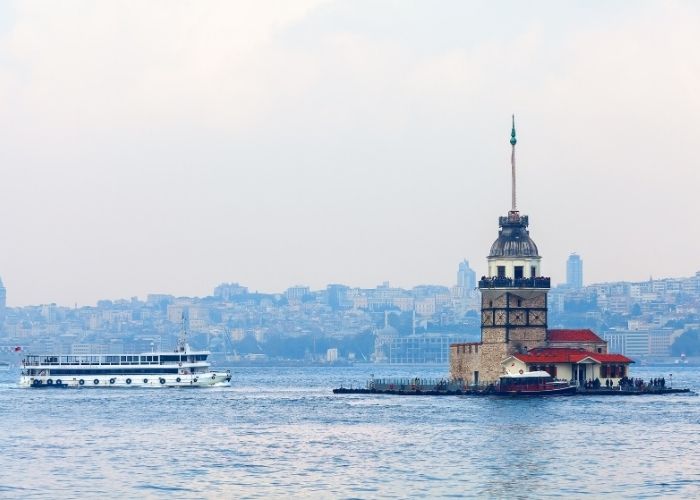
| Galata Tower Admission | ~800 TL |
| Official Bosphorus Sightseeing Cruise | ~600 TL |
| Total Cost If Purchased Separately | ~6,650 TL (Approx. $207 USD) |
These gate fees are accurate estimates for May 2026. You can easily view live pass savings and options on our main Plan & Save dashboard.
Buying those five major tickets individually totals about 6,650 TL (around $207 USD), and that is before you factor in the value of an expert guide, a local neighborhood walking tour, or your included airport transit options. For an active day of exploring, the pass typically saves you money while sparing you from waiting in five separate ticket lines. You can see how this compares to the state-run options in our deep-dive pass vs. museum pass breakdown.
Practical Tips for Your Visit
- Dress for the Occasion: Because the lower level is an active mosque, modest dress is mandatory for everyone. Keep shoulders and knees covered, and women will need a headscarf. Bringing your own wrap is the fastest way inward.
- Manage Your Footwear: You will keep your shoes on while exploring the upper galleries, but you will need to slip them into a plastic bag when stepping onto the prayer hall carpets downstairs. Wearing slip-ons makes this very easy.
- Mind the Camera Rules: Photography is warmly welcomed, but tripods and flashes are strictly forbidden. The ambient light inside is quite soft, so bracing your arms against a gallery railing is a great trick for sharp photos.
- Accessibility: The historic ramp leading up to the gallery is step-free but features a steep, cobblestone surface. Wheelchair users can navigate it comfortably with a bit of assistance. There is also a dedicated elevator available for the main prayer hall, simply notify the staff at the gate.
- Optimize Your Itinerary: Combine your visit with the Blue Mosque directly across the square and follow our curated Sultanahmet trio route to maximize your morning without back-tracking.
What to Pair with Hagia Sophia Nearby
Hagia Sophia sits right at the heart of a short walking radius packed with historical landmarks. You can easily build an incredible, relaxed day out without ever needing to call a taxi:
- The Blue Mosque (Sultan Ahmet Camii): Located right across the main square, this masterpiece is free to enter and world-famous for the exquisite blue İznik tiles adorning its interior walls. It follows the same prayer schedule and dress code expectations.
- The Basilica Cistern (Yerebatan Sarnıcı): Just a two-minute walk away, this underground wonderland offers a complete change of pace. It is a beautifully lit Roman-era reservoir supported by 336 stone columns, including two famous pillars resting on carved Medusa heads. Entry is fully included with your pass!
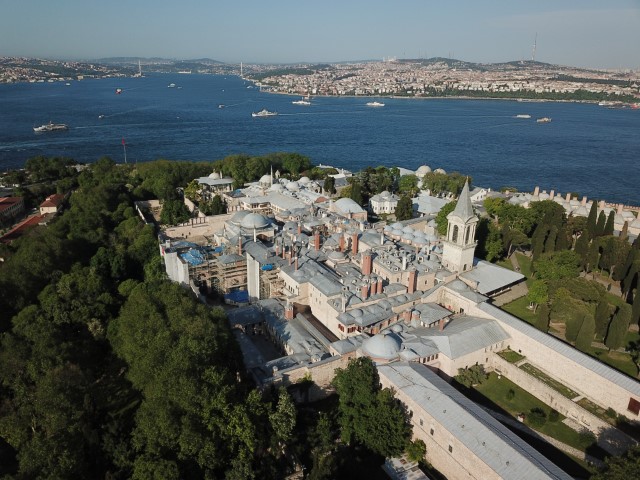
- Topkapı Palace: A brief five-minute stroll uphill brings you to the grand residence of the Ottoman Sultans for over four centuries. We recommend saving at least two hours to explore the tranquil courtyards, imperial treasures, and the Harem chambers.
- Gülhane Park: The former imperial gardens of the palace are now a beautiful, shady public park. It is the perfect spot to sit down, enjoy a cup of traditional tea, and unwind between museum visits.
- Sultanahmet Street Food: Keep your energy up by grabbing a plate of fresh köfte (grilled local meatballs) or a paper cone of roasted chestnuts from the traditional carts around the square, which usually cost between 120–250 TL.
Getting There
The easiest route is to hop on the clean T1 tram line and jump off at the Sultanahmet station. From there, the massive domes of Hagia Sophia are a brief three-minute walk uphill. If you are arriving from the international cruise terminal at Galataport, it is a quick tram ride or a lovely 25-minute walk along the transit line. You can always view live transit updates via the İETT and Şehir Hatları timetables. Avoid taking taxis through the old city, as the pedestrianized streets mean the tram is faster every single time. Landing today? Our practical airport-to-first-stop guide will help you align your airport shuttle right with your very first museum entry.
Plan Your Hagia Sophia Visit
Simply book your preferred guided Hagia Sophia session inside the app the evening before, aim to arrive for the 9:00 AM opening window, and keep the daily prayer closures in mind. By presenting your digital QR code at the gate, you can skip the ticket booth lines and spend your morning enjoying the stunning mosaics. Get your pass and start planning your perfect visit today!
Frequently Asked Questions
Is Hagia Sophia free to enter in 2026?
The grand ground-floor prayer hall is completely free to visit outside of active daily prayer windows because it is an active house of worship. However, the upper gallery level housing the Byzantine mosaics requires a tourist ticket, which is priced at roughly 1,450 TL (around $45 USD) for foreign travelers and includes a personal audio guide headset.
Does the pass cover Hagia Sophia?
Yes, it does! Your pass includes pre-booked tourist gallery admission along with an expert-led guided tour, allowing you to show a digital QR code at the gate instead of standing in the payment lines. Just make sure to reserve your guided time slot inside our app the evening before you go.
What are Hagia Sophia's opening hours?
The tourist gallery path generally operates from 9:00 AM to 6:30 PM every day. However, it closes temporarily during each of the five daily prayer sessions. Because these prayer times move throughout the year based on the sun, take a quick look at the official site the day before your visit to verify the current schedule.
What is the best time to visit Hagia Sophia to avoid crowds?
The absolute best windows are right at the 9:00 AM opening or during the last 90 minutes before closing in the evening. Mid-morning tends to bring the largest waves of cruise ship excursions and large tour groups, while the hour surrounding the midday prayer closes the tourist doors entirely, meaning the line outside grows quickly.
Is there a strict dress code?
Yes, because it is an active mosque. All visitors need to ensure their shoulders and knees are fully covered. Women must also cover their hair with a headscarf, and everyone removes their shoes when stepping onto the carpeted prayer hall downstairs. Free wraps and scarves are available at the entry gate if you happen to forget yours.
How long should I budget to spend inside?
Most visitors find that 45 to 90 minutes is the perfect amount of time to fully take in the gallery mosaics and explore the ground floor. Our included guided tours last about an hour, providing excellent context on the building's transition from church to mosque that simple audio headsets tend to skip over.
Can I take photos inside Hagia Sophia?
Yes, handheld non-flash photography is fully permitted in both the upper galleries and the main prayer hall. Just remember that tripods and flashes aren't allowed, and it is polite to avoid taking direct photos of local worshippers during active prayer times.
Useful Turkish for Your Visit:
- Ayasofya (ah-yah-SOF-yah) — Hagia Sophia. This is the official Turkish name you will spot on all city map signs and tram stops.
- Cami (jah-MEE) — Mosque. Ayasofya Camii translates directly to the Hagia Sophia Mosque.
- Namaz (nah-MAHZ) — The daily Muslim prayer sessions. The upper tourist gallery temporarily pauses entry during these short windows.
- Giriş (gee-RISH) — Entrance. Simply keep an eye out for these signs to locate the visitor queue.
- Ne kadar? (neh kah-DAR) — How much does it cost? A handy phrase to use when picking up a bottle of water or a local souvenir outside.




.png)