


In 2026, the food scene has balanced tradition with a new wave of artisan spirit. Whether you are seeking roasted chestnuts (kestane) on a foggy corner or a silky glass of salep, knowing exactly where to go—and what to order—makes all the difference. To keep your hands free for these snacks, I recommend using the Istanbul Tourist Pass® to handle your transport and major entries, allowing you to focus entirely on your next bite.
1. Street Warmers: The Heartbeat of the Sidewalk
Street food in winter is a small ritual. It’s about the charcoal, the steam, and the brief connection with a vendor while you thaw out your fingers.
Roasted Chestnuts (Kestane)
Follow the scent of woodsmoke first. Vendors roast these chestnuts on wide iron plates, shoveling the glossy, scored shells into paper cones. In April 2026, a standard bag costs roughly 80–120 TL.
Insider Tip: Carts near the Eminönü (eh-mee-NÖ-noo) ferry docks are classic, but for the best quality, look for vendors on the backstreets of Nişantaşı (nee-SHAN-tah-shuh).
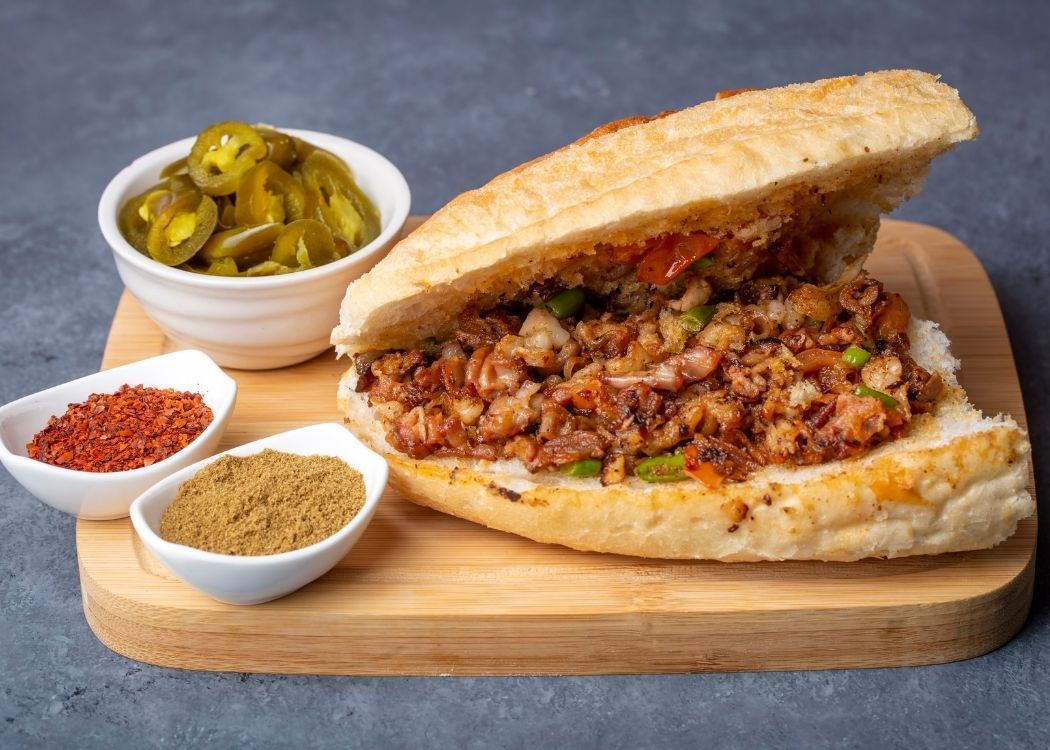
Kokoreç: The Ultimate Late-Night Fuel
This is a bold, peppery sandwich made from seasoned lamb offal slow-roasted on a horizontal spit. It’s seared on a griddle with oregano and pul biber (red pepper flakes).
How to order: Ask for "yarım ekmek" (half bread). In winter, it provides a lingering heat that clears the damp Bosphorus chill from your bones.
Midye (Mussels) Two Ways
You’ll see Midye Dolma (stuffed with spiced rice) and Midye Tava (battered and fried). For winter, the fried version in a warm bun with tartar-style sauce is pure comfort. Freshest spots are found in Beşiktaş (bes-EEK-tash) near the fish market.
2. Soup Culture: Healing from the Inside Out
Soups are a cornerstone of winter foods in İstanbul. You will see locals eating these for breakfast, lunch, or at 2:00 AM after a night out in Beyoğlu (bey-OH-loo).
- Mercimek Çorbası (Red Lentil): The city’s gentle workhorse. Smooth, earthy, and served with lemon. (Approx. 80–110 TL).
- Kelle Paça: A collagen-rich head and foot soup. It is deeply savory and restorative. Locals doctor it with heavy amounts of garlic-vinegar (sarımsaklı sirke).
- İşkembe (Tripe): The classic cure-all for cold nights. It has a silky broth that glows under the café lights. If it's your first time, go to Lale İşkembecisi for a high-quality introduction.
3. Sweet & Hot Drinks: Silky Traditions
Salep (Sahlep)
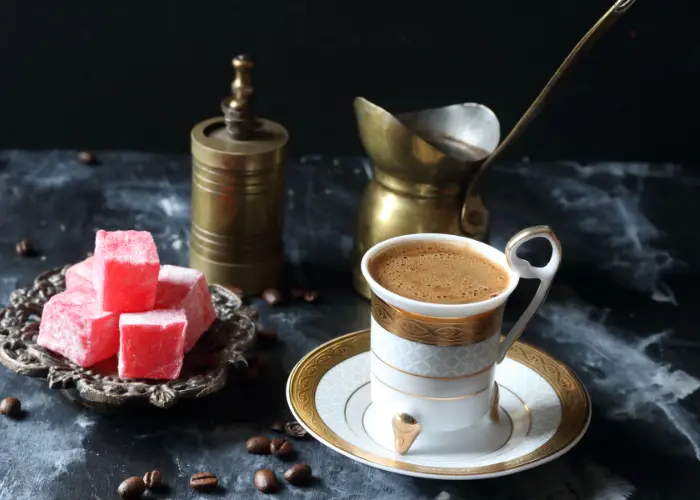
Thick, velvety, and naturally fragrant, salep is made from milk and powdered orchid tuber. It is served steaming hot with a heavy dusting of cinnamon.
10x Tip: Avoid the "instant" versions. For the real deal made from actual tubers, head to Fazıl Bey in Kadıköy. In April 2026, a cup costs around 120–150 TL.
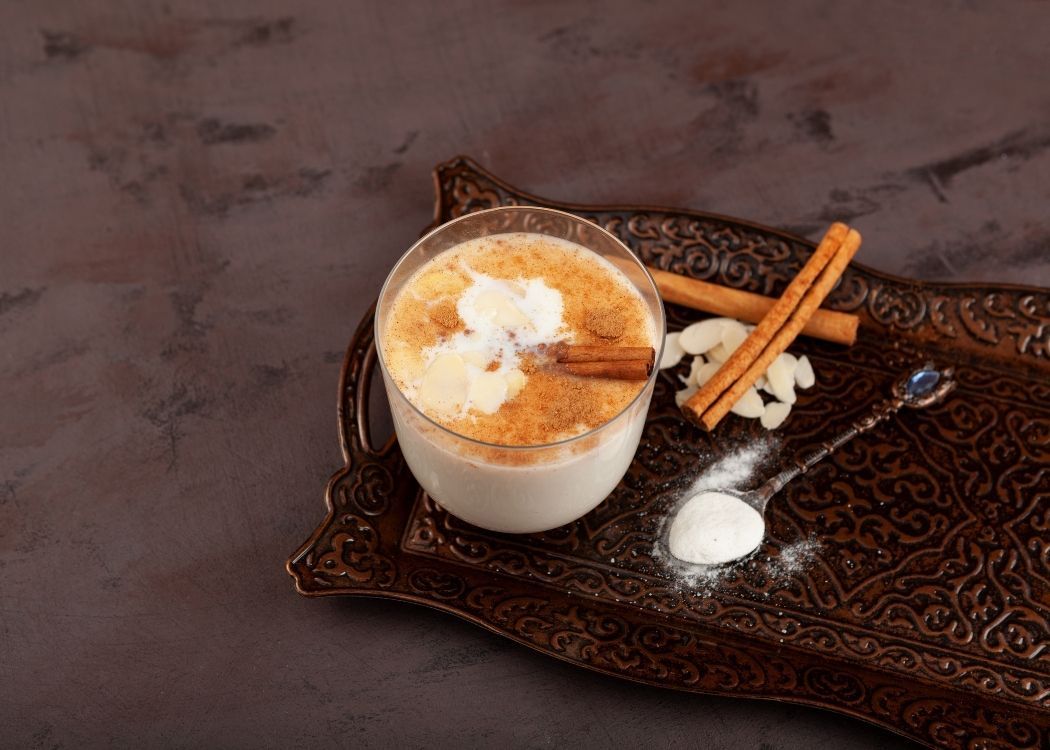
Boza: An Ottoman Time Capsule
Boza is slightly tart, softly sweet, and made from fermented grains (usually millet). It has a gentle thickness that feels like a pudding. It’s traditionally topped with cinnamon and roasted chickpeas (leblebi). For a legendary experience, visit Vefa Bozacısı—the atmosphere hasn't changed in over a century.
4. Neighborhood Food Routes
To truly experience the winter foods in İstanbul, you need to move between districts. Here is a curated April 2026 route:
- Sultanahmet: After the Dolmabahce Palace or Hagia Sophia, look for traditional lokantas on the side streets. They serve the best Kuru Fasulye (stewed beans)—the ultimate winter protein.
- Kadıköy Market: This is a winter playground. Start with pickles, move to a soup counter, and finish with a hot Künefe. The vibe here is vibrant even on rainy days.
- Beşiktaş: Known for its "Tavuk Suyu" (chicken soup) counters. It’s the perfect stop before a chilly walk along the shoreline.

5. Practical Tips & Transport
Winter eating is easier when your logistics are handled. The Istanbul Tourist Pass® simplifies the "move" between these food hubs.
Transport Hack: Arrange your Airport Transfers & Public Transportation Card early. It allows you to hop between the Karaköy ferries and the Beşiktaş buses without hunting for top-up kiosks in the rain.
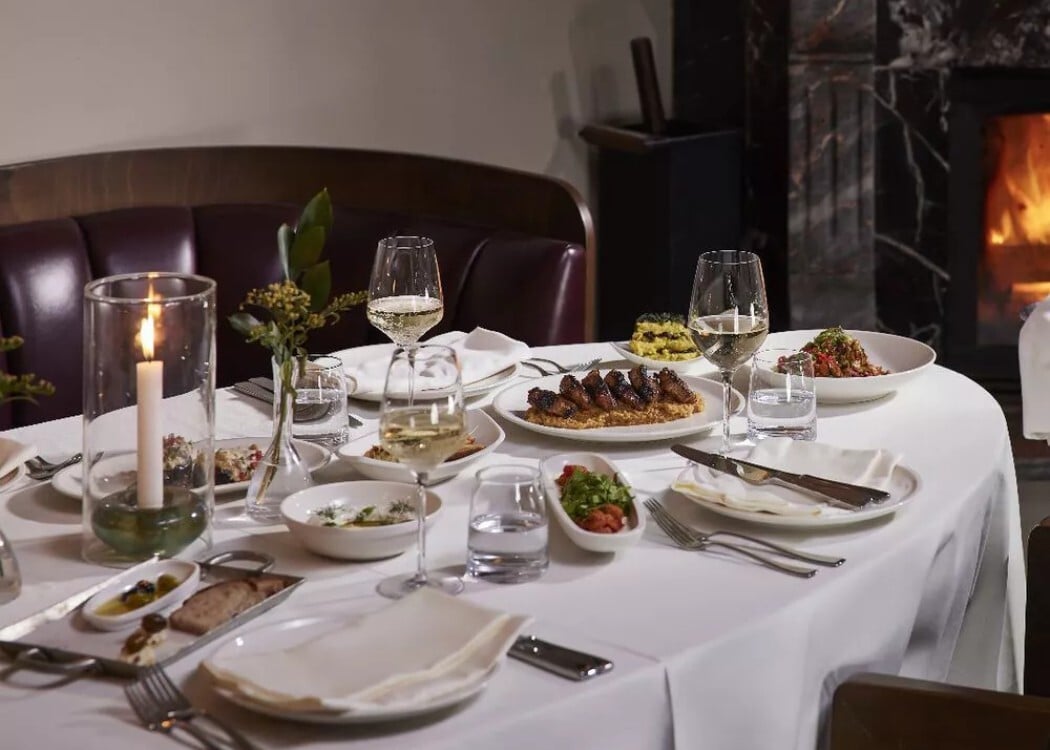
For a cozy finale to a day of street snacking, I highly recommend a Bosphorus dinner cruise. It offers a heated, indoor dining room with city lights, providing a relaxed, seated meal after a full day of "on-the-go" tasting.
Winter Food FAQs
What is the best soup for a hangover?
Locals swear by İşkembe (tripe) or Kelle Paça. Both are high in protein and usually served with garlic-vinegar to wake up the senses.
Are street mussels safe in winter?
Yes, provided the stall has high turnover. Look for the stalls with the longest queues—this ensures the Midye are fresh and haven't been sitting out.
How much is a cup of tea in 2026?
At a local kıraathane, it’s about 15–25 TL. At a seaside cafe with a view, expect to pay 40–60 TL.