


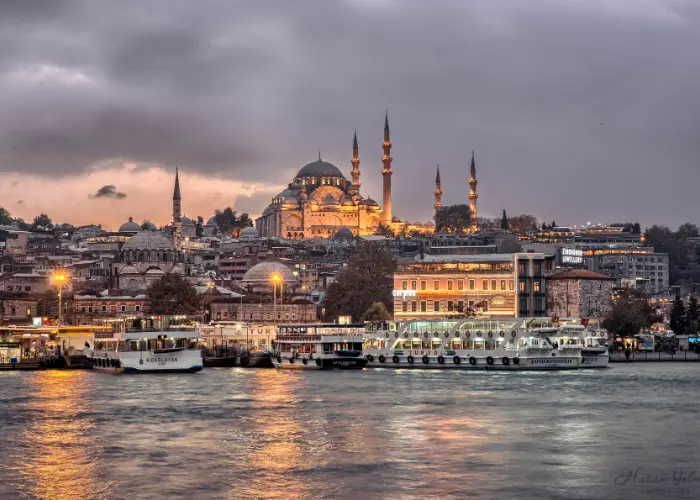
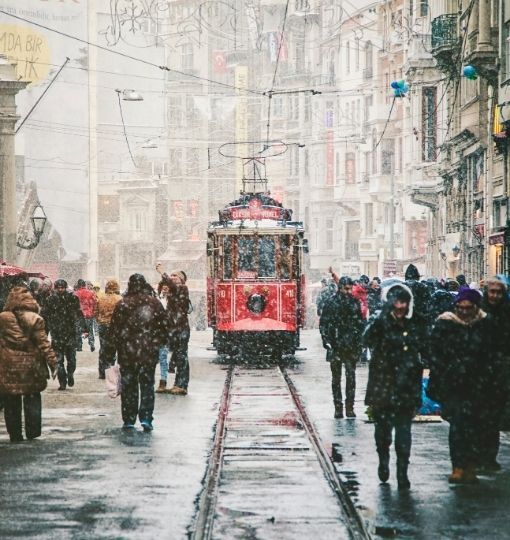

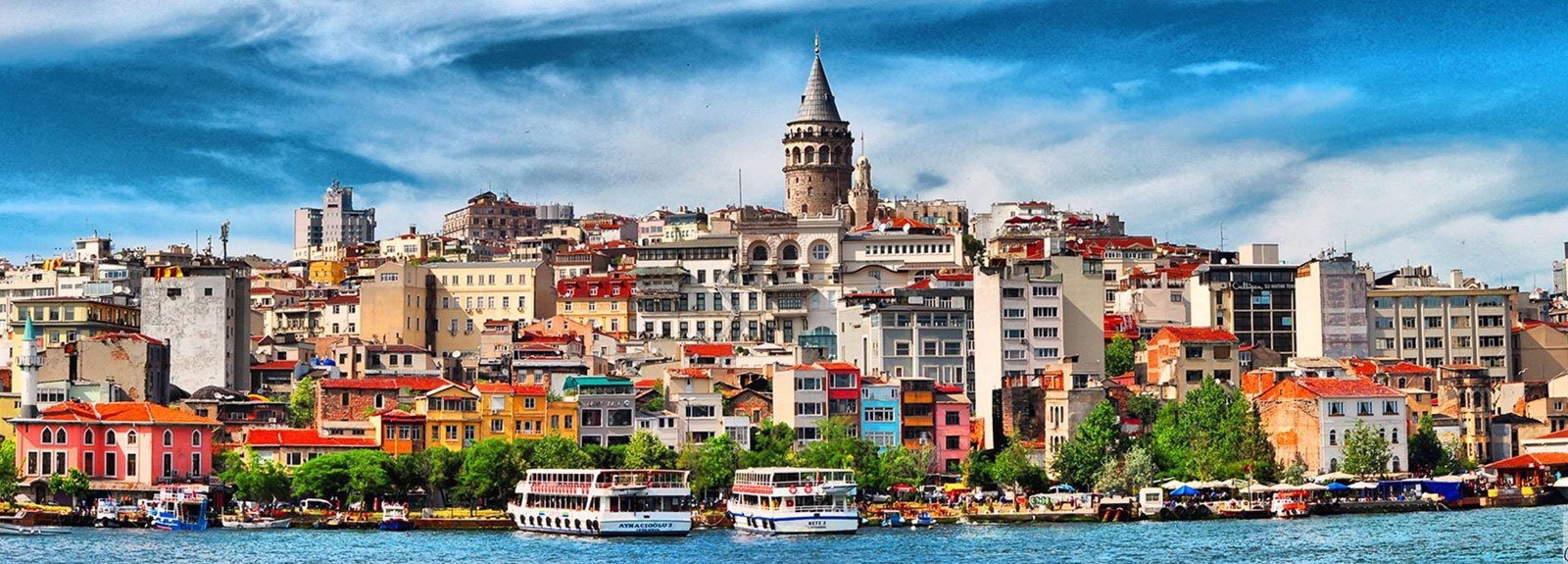
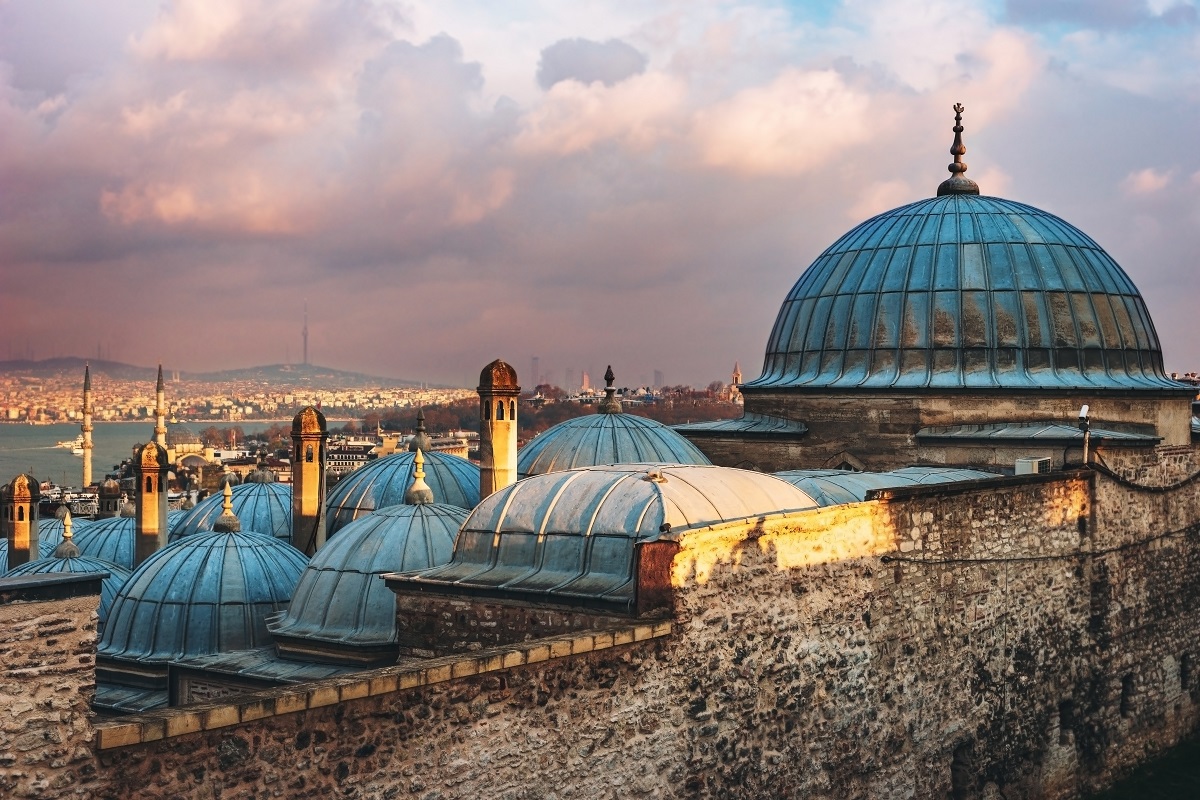
The city has so much to offer its visitors every month of the year. In this article, we will look at the attractions, indoor activities, and foods to try in winter in Istanbul.
Before starting, check out the most comprehensive attractions lists of the city covered by the Istanbul Tourist Pass® here. You can find whatever you want to see or do in Istanbul among the 100+ attractions gathered by Istanbul Tourist Pass®. It is designed for you to save time and money. So if your waterproof boots and warm clothes are ready, let’s start digging into the top things to do in Istanbul in winter 2025.
General Information About the Winters in Istanbul
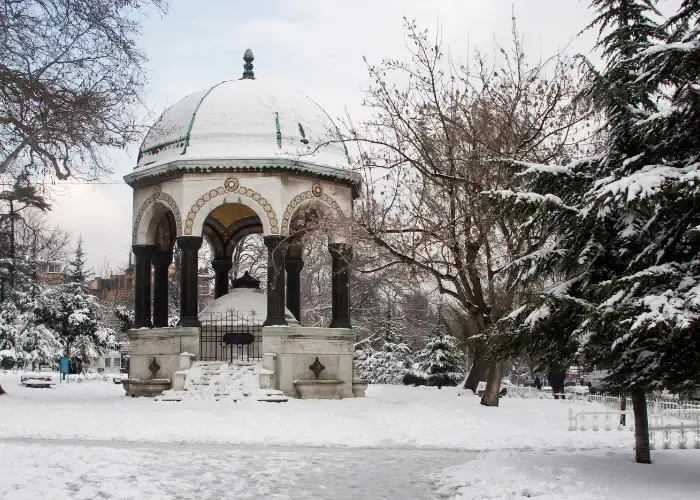
Istanbul gets cold winters, with typical lows of 5 to 15 degrees Celsius (40-60 Fahrenheit). If you intend to travel during December, January, or February, pack some warm clothes and shoes because they are the coldest months of the year.
Until the end of March, Istanbul is generally cold but in the city center, it is generally warmer than other European centers. So, visiting Istanbul is always a good idea. Istanbul snows every winter but in central areas, it is only for a couple of days and then the snow melts fast. Winter is not a rainy season for Istanbul but it is always better to be prepared than soaked up.
You should pack your waterproof and warm clothes and shoes with you. Also, don’t worry Istanbul has many great shopping opportunities if you feel packed loosely.
Is it a good idea to visit Istanbul in winter?
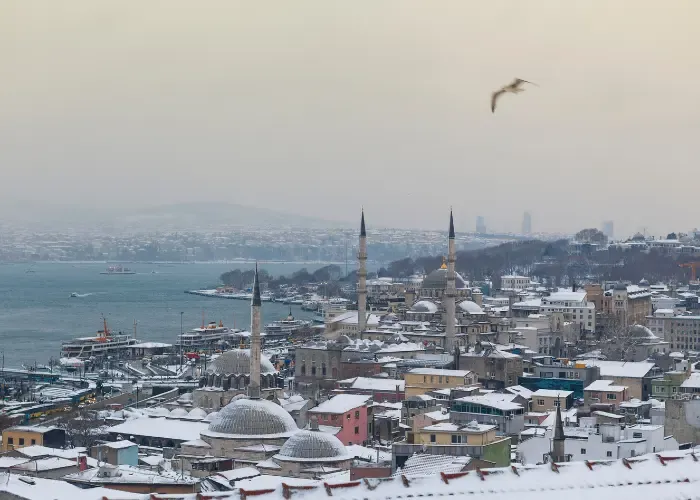
If you love your warm clothes, hot drinks, and chilly days then yes, it is a great idea to visit Istanbul in winter! There are fewer visitors in winter so it means fewer lines at attractions! And since it is generally off-season, you can find many hotel deals and discounts!
For rainy days there are many indoor attractions but don’t miss the chance to enjoy the outdoors if you have sunny days! Here you can find 100+ attractions included in Istanbul Tourist Pass®.
Unlimited Public Transportation all around Istanbul!
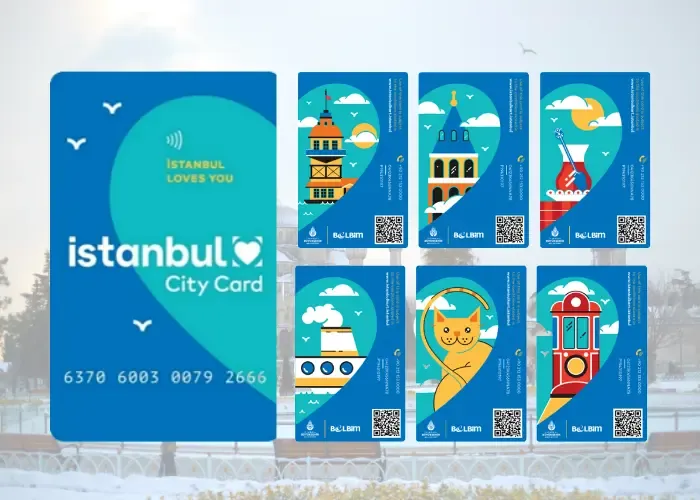
Let’s start with the basics! You need to use transportation during your visit. A prepaid transit card called the Istanbul City Card provides you unrestricted use of public transportation for as many days as you decide. Every form of public transit, including the metro, trams, buses, metrobuses, and ferries, accepts it. It is a physically presentable card with a lovely design that a courier will deliver to your hotel, and after use, you can retain it as a souvenir.
A unique public transit card called the Istanbul City Card was created having tourists in mind. Especially in winter, it is a great advantage to take transportation vehicles even within walking distance.
Join a Guided Hagia Sophia Tour
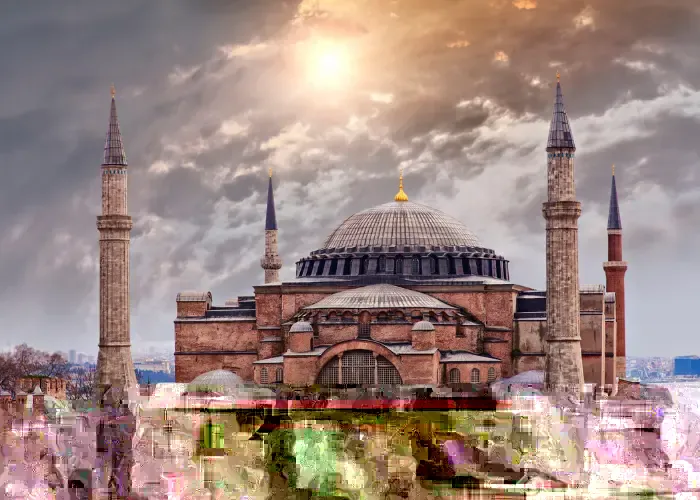
There is no special season to explore the history of Hagia Sophia. In Winter, Hagia Sophia is less crowded and there will be shorter lines at the entrance. So winter is the perfect time to explore this amazing mosque with our informative guides.
Hagia Sophia is one of the most popular tourist destinations in Istanbul. It will astonish you with its stunning architecture, ambiance, and history. While exploring Hagia Sophia, you'll feel as though Christian and Islamic history are present side by side. The knowledgeable tour guides from Istanbul Tourist Pass® will make your visit to Hagia Sophia simple.
Visiting Hagia Sophia, Topkapi Palace, Dolmabahce Palace, and many more with professional tour guides is easy and FREE with Istanbul Tourist Pass® among 100+ great attractions all over Istanbul.
See the Whirling Dervishes Show
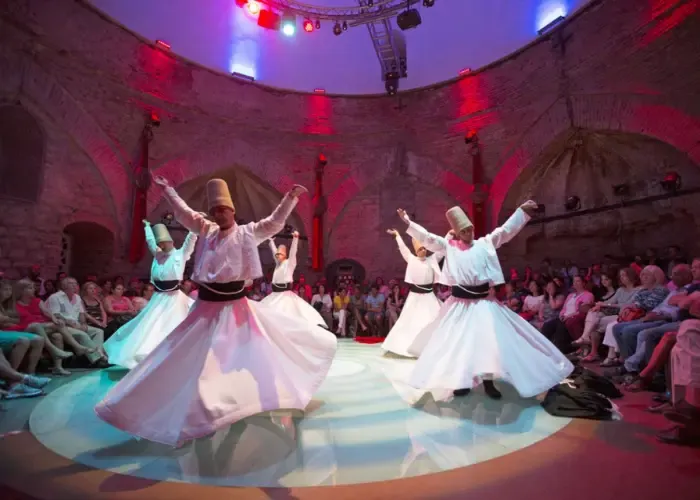
Here is a perfect attraction for a winter day or night. You'll feel as though you've entered another universe after watching the Whirling Dervishes Show! You will experience mystical sentiments while watching the show. In fact, it's a must-see attraction in Istanbul. It is a spectacular religious ritual that dervishes believe will help them get closer to God. You'll feel incredibly serene and enchanted after this spiritual Mevlevi ceremony!
The majority of the ceremony is accompanied by ney, a traditional Turkish instrument of which enchanting rhythm and voice make the performance unique. This incredible night can be experienced very easily with an Istanbul Tourist Pass®! Check out the Rhythm of the Dance Show also if you want to see an incredible Turkish dance show. This show is also included in Istanbul Tourist Pass®!
A Perfect Family Day: Legoland Discovery Center Istanbul

Are you looking for a fun activity that the whole family can enjoy? The Legoland Discovery Center in Istanbul is the answer! Among the many things to do there are the Legoland Factory, the Lego 4D Theatre, and Miniland. With LEGO® bricks and figures, you can build anything you want. You and your kids will have a blast creating palaces, fortresses, fortifications, or even houses!
With Istanbul Tourist Pass®, you can enjoy this family-friendly activity to the fullest. With the Istanbul Tourist Pass®, you will have free access to Legoland Discovery Centre where you can relive your childhood and enjoy time with your family.
There are many attractions for the whole family, check this article to see them all: What to Do in Istanbul with Kids? Top Family Activities to Do
Try Authentic Turkish Winter Drinks: Salep and Boza
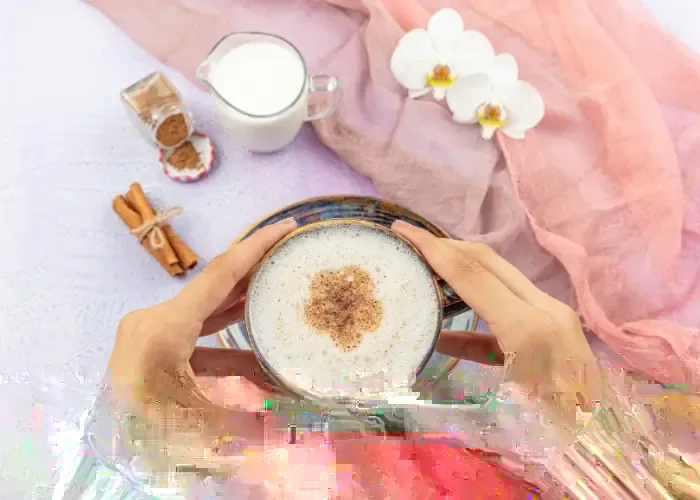
Istanbul is lovely in the winter. Boza and salep are two popular traditional wintertime beverages. Boza is a traditional Turkish fermented beverage. Boza is made by boiling hulled millet in water, which is then poured into pans to chill. After it has been sieved, water and sugar are added, and it has a sweet, tangy flavor. Boza is typically consumed with a spoon because of its thick nature. The drink is occasionally prepared with roasted chickpeas in addition to cinnamon. In certain areas, traveling vendors start selling boza in the winter while pulling a sizable canister and calling out to anyone in the mood for boza.
Boza is a winter beverage, however, it is served cold. However, Salep is available if you're looking for a warm, sweet beverage in the winter. Salep, a delightful hot beverage, is produced from the tuberous roots of orchids. The dried flour is mixed with additional components including sugar, cornstarch, powdered milk, cinnamon, and vanillin, just like with hot chocolate or chai spices. T hen presto! It is absolutely creamy, sweet, and smooth.
You can visit the Vefa neighborhood, which is renowned for its boza cafes, for boza. There are numerous cafes that provide salep, so you can choose which one has the greatest salep for your preferences.
With 25+ years of experience in tourism, we are proud to create Istanbul Tourist Pass® which is the first and most inclusive tourist card in Istanbul. Check our website and witness yourself. Have a great time in Istanbul in winter and don’t forget to stay warm!
FAQ
Is it worth going to Istanbul in winter?
Yes, it is definitely worth visiting Istanbul in winter. You can catch great deals and discounts in hotels and there will be fewer tourists everywhere, which means fewer lines in attractions!
What is Istanbul like in winter?
The first thing to say is that Istanbul is beautiful in winter. Istanbul can snow for a couple of days, but it is generally between 5-15 degrees Celsius. The city gets winter sun and bright sky on most winter days.
What to wear in Istanbul in winter?
Pack your warm coats and waterproof shoes and you are good to go. But don’t pack too thick! It is generally around 5-15 degrees Celsius in winter in Istanbul.
Which one is a winter month in Turkey?
December, January, and February are winter months but it is generally cold until the end of March.
What is the cheapest time to visit Istanbul?
Winter is the cheapest time to visit Istanbul. You can catch great deals and discounts in winter, especially for accommodation.



.jpg)

