




A quick note from us: This guide features the Istanbul Tourist Pass®, our own product. All recommendations are built on genuine, first-hand experience, and we include our favorite market stalls, cafés, ferries, and free walks regardless of whether they are connected to the pass.
The vast majority of first-time visitors to Istanbul never actually cross the water. They stay tucked away on the European side, queue for hours at the historic monuments, and entirely miss the half of the city where locals actually live, work, and eat. The Asian side, particularly the vibrant district of Kadıköy, is exactly where I send friends who have already seen Hagia Sophia and want to experience the city's true, everyday rhythm.
This is a custom full-day, walkable route that guides you through the bustling Kadıköy market, down the charming, café-lined back streets, and along the expansive green seafront of Moda, finishing with a classic ferry ride back across the water at sunset. Below, you will see exactly what each stop costs, where your pass handles the logistics on this shore, and which of the absolute best experiences over here are completely free.
Best of all, everything mentioned in this itinerary sits within a comfortable 25-minute walk of the Kadıköy ferry terminal. There is no need for complicated taxi rides or confusing subway transfers, just a beautiful boat ride over and your own two feet.
Why Give a Whole Day to This Side of the Water?
- The crossing itself is an iconic experience: Taking a public commuter ferry from Eminönü or Karaköy gives you a phenomenal mini-cruise across the water for the mere price of a public transit fare, treating you to front-row views of the old-city skyline.
- It is a culinary wonderland: Kadıköy is widely celebrated as the city's most food-obsessed neighborhood. It remains refreshingly free of heavy tour groups, meaning you get to eat incredible dishes right where locals eat, at local prices.
- Your pass handles the premium highlights: Your package seamlessly covers an expert-led neighborhood walking tour and access to historic marble bathhouses over here, leaving you free to explore the vibrant streets stress-free.
Getting Across: The Ferry is Half the Fun
Start your morning on the European side and make your way to the ferry docks. The two most convenient departure points are Eminönü, located right below the Galata Bridge, and Karaköy, positioned just across the water. Both terminals run departures frequently throughout the day. The crossing itself takes roughly 20 minutes and costs about 30 TL one-way for May 2026 when utilizing an Istanbulkart, the universal rechargeable transit card you simply tap at the entry turnstiles.
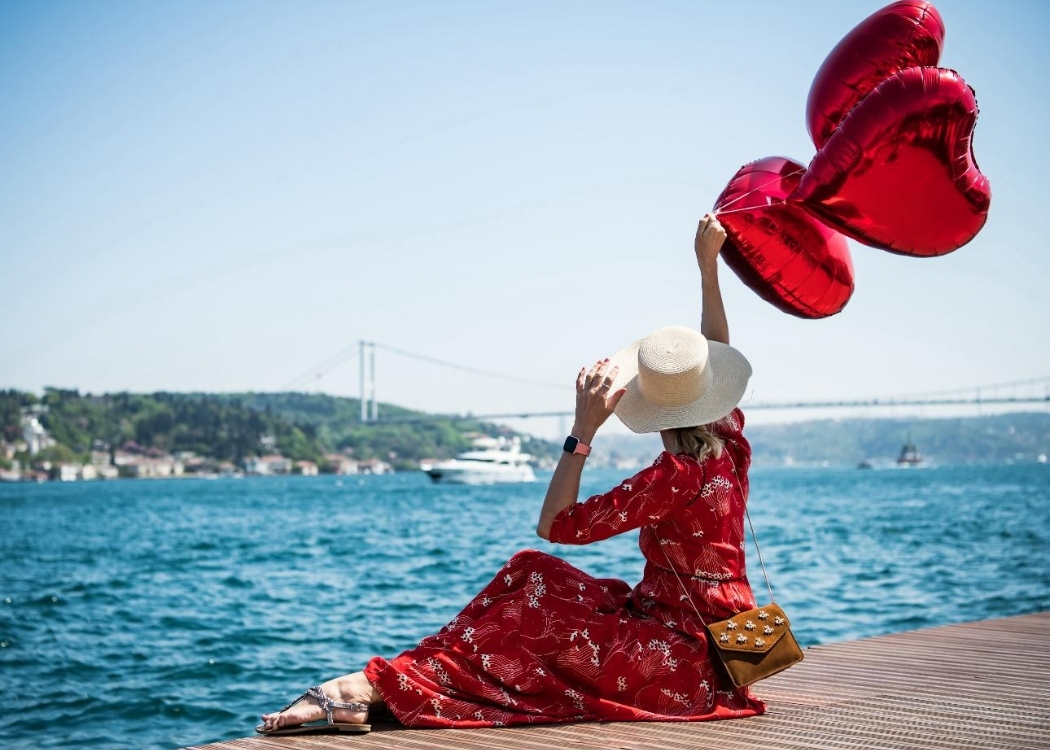
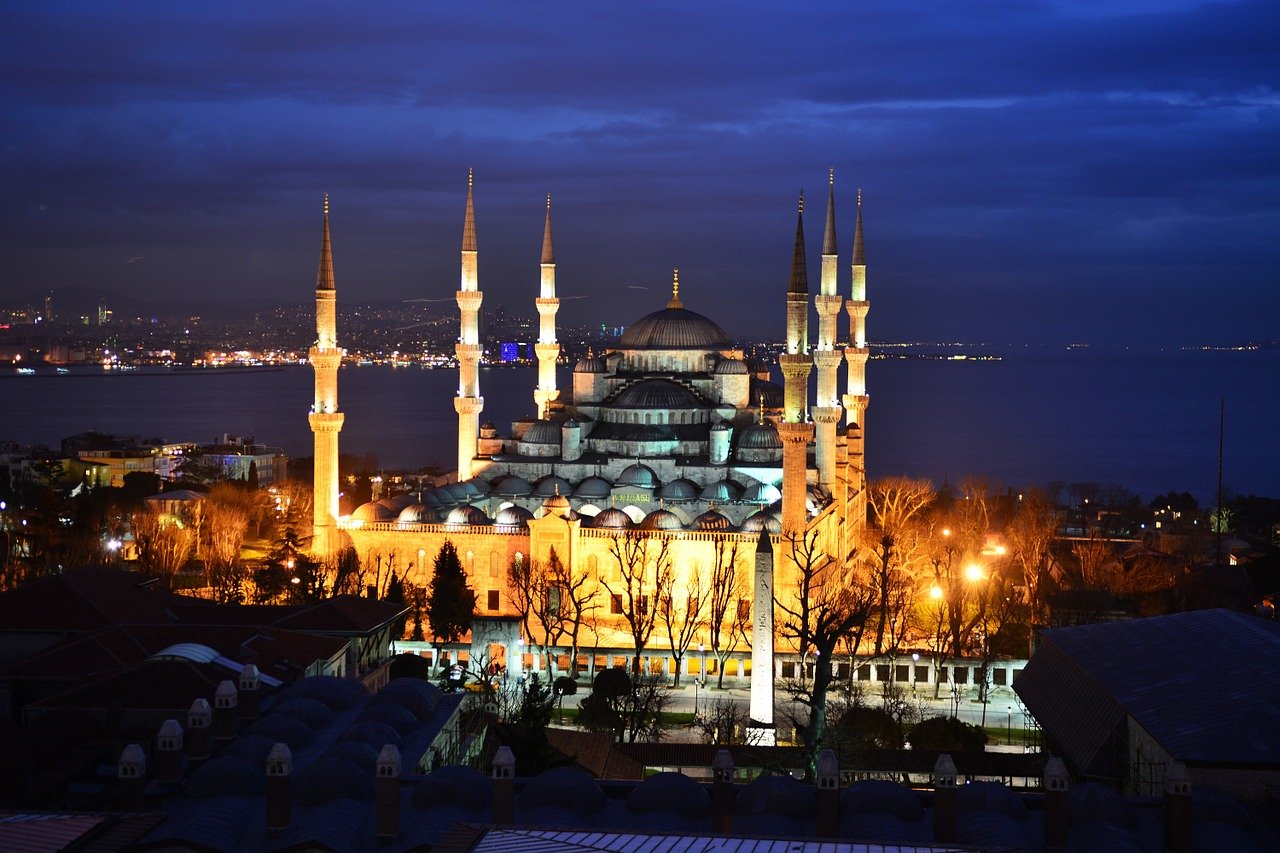
If the spring weather is clear, try to secure a spot out on the open rear deck. Heading east in the morning morning treats you to a panoramic view of the old city shrinking behind you: the spectacular domes and minarets of Sultanahmet, the mouth of the Golden Horn, and the massive cargo ships waiting peacefully out in the Sea of Marmara. Traditional sesame simit vendors usually walk the decks; a fresh ring costs about 15 to 20 TL, and the local seagulls are famous for swooping down to catch pieces right from your hand. Be sure to check the live departures on the official Şehir Hatları ferry timetable before heading down, as schedules can thin out slightly during the early afternoon hours.
If you are looking to build a larger maritime adventure around your vacation, our comprehensive Bosphorus cruise pass benefits guide breaks down how our longer included sightseeing cruises operate and where they board. It is a separate boat experience designed for a different purpose, but it explores the exact same beautiful waters.
The Kadıköy Market: Graze Your Way Through the Lanes
Once you step off the ferry, take a brief five-minute walk inland to enter the beating heart of the Kadıköy market lanes. Known locally as the çarşı, this lively pedestrian market quarter centers around Güneşlibahçe Sokak. This isn't a tourist-centric bazaar filled with souvenir lamps and woven rugs. Instead, it is a genuine neighborhood market where locals do their weekly grocery shopping, meaning the food quality is exceptional.
Take your time and graze as you wander. Local fishmongers constantly hose down their glistening marble slabs while calling out the morning's fresh catch. Traditional pickle shops display tower-like jars of colorful turşu (brined vegetables), and drinking a small paper cup of sour pickle juice costs around 30 TL. Stop by a çiğ köfte window to grab a spiced bulgur wrap nestled in fresh lettuce for 60 to 90 TL.
For lunch, make sure to find a table at the famous Çiya Sofrası, a culinary institution that single-handedly put forgotten, regional Anatolian home cooking on the international map. A loaded, mixed plate of seasonal stews and grains here typically runs between 300 and 450 TL for May 2026.
Be absolutely sure to save room for traditional desserts afterward. The retro display windows at Baylan, a beloved neighborhood pastry house operating since the 1960s, is world-famous for its iconic kup griye, a rich caramel, vanilla, and praline ice cream cup that costs around 180 to 240 TL. To be completely upfront: the market quarter is loud, the pathways are narrow, and on Saturdays, you will be walking shoulder-to-shoulder with local shoppers. If you prefer a much calmer experience, visit on a weekday morning when the neighborhood moves at a gentler pace.
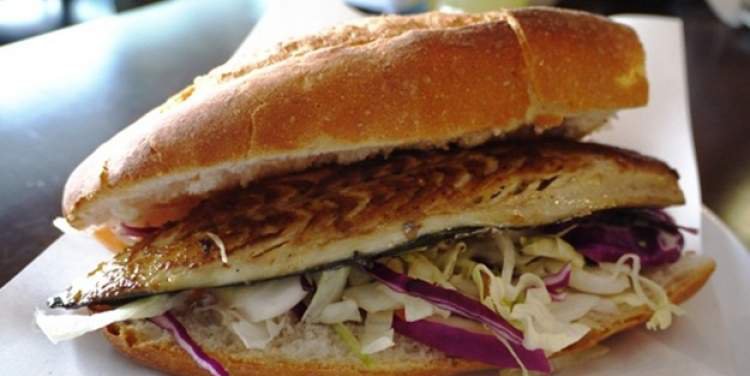
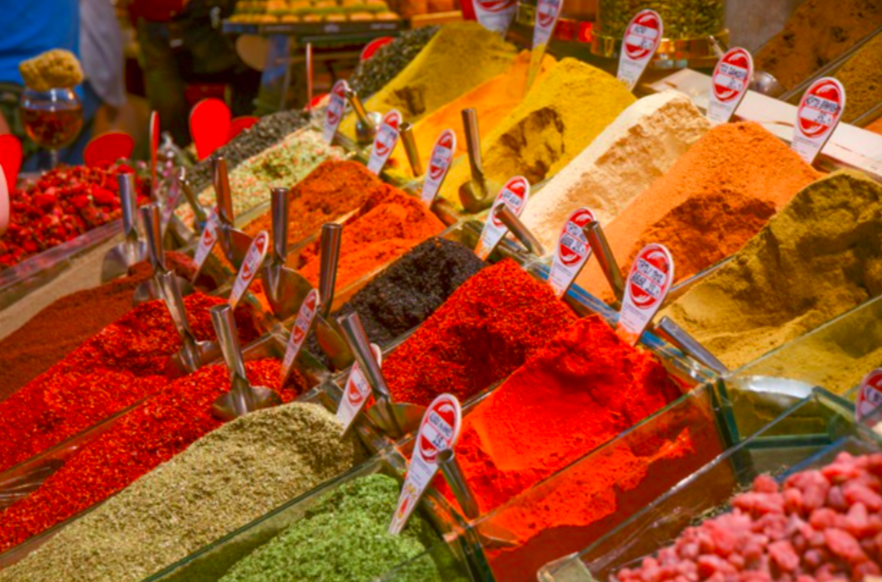
Two additional spots are highly worth a stop during your market graze. Tarihi Moda Köftecisi and the surrounding local grill shops serve up a classic plate of tender, grilled meatballs accompanied by a traditional white bean salad and tangy pickles for 180 to 280 TL. It is exactly the kind of simple, honest lunch that local office workers happily queue for. Along the outer edges of the market, you will find fantastic kuruyemiş shops selling massive scoops of roasted hazelnuts, dried apricots, and crunchy chickpeas by weight. Grabbing a paper bag of these healthy trail snacks for your return ferry ride costs between 60 and 120 TL. Use your senses as you explore: the absolute best roasters fill the entire street with the aroma of warm nuts, and they will gladly let you sample a piece before you purchase.
The market is also the exact environment where having a local expert with you brings the most value. The hidden histories behind these multi-generational stalls, such as knowing which specific family has been roasting coffee on the exact same street corner since the 1920s or discovering how the local seafood selection shifts with the currents, are insights you can only glean from a resident. A guided neighborhood walking tour is fully included with your pass; we will cover exactly how to secure your spot just below.
Artisanal Coffee, Traditional Tea, and the Back Streets
Kadıköy takes its daily caffeine rituals incredibly seriously, and the artsy back streets stretching between the main market and Moda are packed with creative third-wave coffee roasters and historic tea gardens. If you want to experience traditional Turkish coffee prepared with true old-world care, seek out Fazıl Bey. This tiny, historic shop has been meticulously grinding premium beans right in the market quarter since the 1920s. A rich cup costs between 70 and 110 TL and comes served alongside a sweet cube of traditional Turkish delight and a refreshing glass of water. Remember to sip it slowly and allow the fine grounds a minute to fully settle at the bottom of the cup.
If you prefer a longer, more relaxing break, track down a shaded local çay garden and order a glass of hot black tea for 25 to 40 TL. Neighborhood locals will happily sit and nurse a single glass of tea for over an hour while enjoying a friendly game of tavla (backgammon), and the staff will never dream of rushing you to turn over the table. Waiters constantly circle the tables with steaming brass kettles, so a simple wave of your hand will instantly secure you a fresh top-up. This slow, unhurried rhythm is the absolute essence of the Asian side, serving as the perfect antidote to a hectic morning spent navigating crowded museum lines across the water.
As you stroll through the neighborhood, keep your eyes peeled for the famous Yeldeğirmeni mural trail. This historic former railway-workers' enclave, positioned just a few blocks back from the waterfront, has transformed its blank apartment facades into massive, building-sized works of striking street art. It is completely free, entirely outdoors, and photographs beautifully in the soft afternoon light. The narrow streets over here are noticeably quieter than the central market lanes, making them an excellent spot to catch your breath and explore local boutiques.
The Moda Seafront: Leafy Parks, Coastal Strolls, and Panoramic Views
If you walk south from the bustling market lanes for about 15 minutes, the dense commercial streets beautifully give way to the Moda seafront. This leafy, residential neighborhood acts as Kadıköy's tranquil, bohemian cousin. The waterfront park here features a long, gorgeous ribbon of manicured grass lawns and paved walking paths tracing the edge of the Sea of Marmara. On a mild spring afternoon, half of Istanbul's creative youth can be found out here, lounging on picnic blankets with thermoses of hot tea, walking dogs, and cycling along the water.
Follow the coastal promenade all the way out to the famous Moda tea garden sitting right at the tip of the peninsula. The open-air terrace up here looks directly out across the water toward the distant Princes' Islands and treats you to a stunning view of the historic old-city silhouette looming on the horizon. A glass of tea here costs about 30 to 40 TL, and you can pair it with a fresh, hot gözleme (hand-rolled stuffed flatbread) from the courtyard stalls for 80 to 120 TL. While exploring the shoreline, keep an eye out for the historic Moda Pier, an elegant, restored 1917 stone ferry pavilion that now hosts cultural events, and the vintage fashion-red tram that loops through the neighborhood streets for a tiny flat fare.
This coastal stretch is easily the part of your day that requires the least amount of spending. Access to the grassy lawns is free, the panoramic sea views are free, and the local people-watching is arguably the finest in the entire city. One quick practical tip: public restrooms along the immediate coastal lawns can be a bit sparse, so it is always smart to utilize the facilities inside a neighborhood café before you pick out your perfect patch of grass for the sunset.
Bar Street and Local Meyhanes: How the Evening Unfolds
If you choose to stay on the Asian side past the waterfront sunset, you will get to watch the streets surrounding the historic market completely transform after dark. The hidden lanes branching off Kadife Sokak, known universally to residents as Kadıköy bar street, quickly fill with local university students, while the tables of traditional meyhanes (taverns) spill out onto the cobblestones. Simply follow the sound of laughter and music to locate the heart of the action.
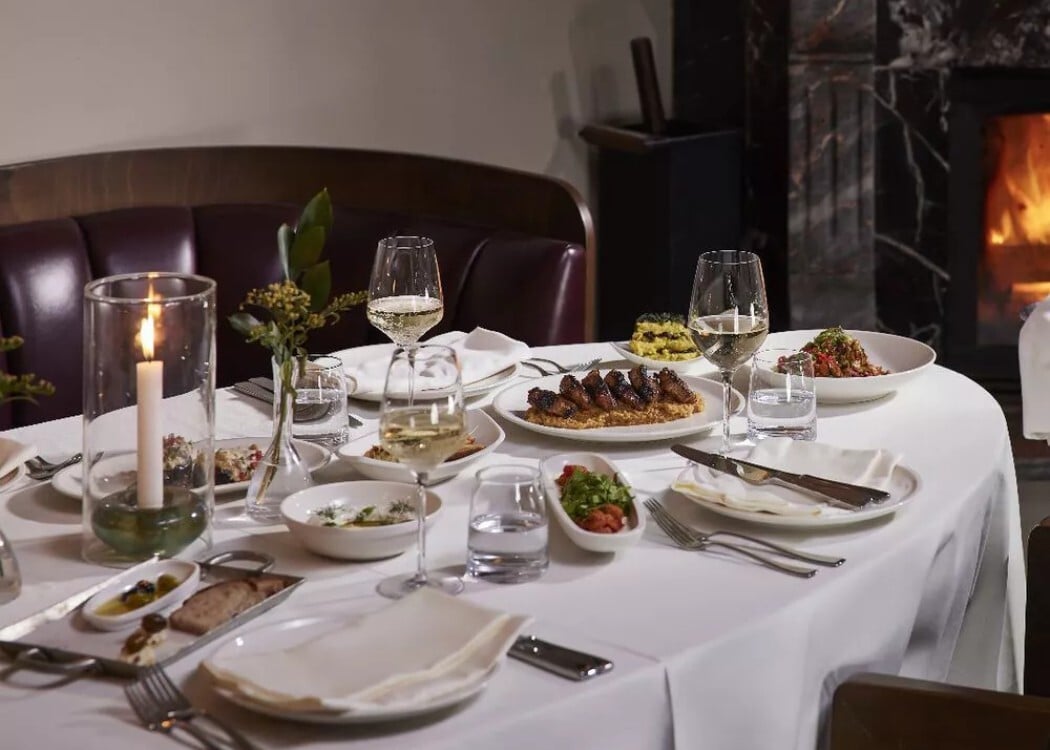
Sitting down for an authentic meyhane dinner is the ultimate local way to conclude your neighborhood exploration. The tradition centers around ordering a massive, shared spread of fresh meze plates, such as creamy smoked aubergine dip, stuffed vine leaves, sharp white feta cheese, and tender grilled octopus. You graze slowly across these dishes over the course of several hours while a bottle of traditional rakı (the famous local anise spirit) chills in a bucket of ice at your side. A complete, multi-dish meze dinner with evening drinks typically ranges between 600 and 1,000 TL per person for May 2026, depending on how many specialized seafood plates you select. If you prefer a more low-key or budget-friendly night out, the independent craft-beer bars and modern cocktail lounges clustered around the Yeldeğirmeni quarter stay open late and offer a very casual atmosphere.
One honest piece of advice: the main Bar Street area is high-energy, lively, and can get incredibly crowded on Friday and Saturday nights. It is absolutely fantastic if you are looking to immerse yourself in the city's nightlife, but less ideal if you are hoping for a whisper-quiet evening. Additionally, keep in mind that the standard public passenger ferries begin to wind down their schedules around midnight. If you stay out late into the night, you will want to catch a local metered taxi or hop on the high-speed Marmaray subway rail tunnel to travel back under the sea to the European side.
What Your Pass Covers on the Asian Side
The Asian side of Istanbul is refreshingly light on commercial, ticketed tourist monuments by design. Its real magic lies in its residential streets, coastal culture, and culinary scenes rather than museum gates. However, your Istanbul Tourist Pass® includes two exceptional experiences on this side of the water that elevate a standard stroll into a deeply rewarding journey.
The first highlight is our professional guided neighborhood walking tour, which is fully included in your pass and can be reserved the evening before via our app. Having a passionate local guide with you transforms the busy market from a confusing maze of stalls into a rich, historical map. Your guide will show you exactly which multi-generational merchants to trust for the freshest catches, where the most authentic wood-fired simits are baked, and how Kadıköy evolved from a sleepy fishing harbor into the city's modern cultural capital. Our dedicated free walking tours guide breaks down all the meeting locations and easy reservation steps.
The second premier experience is an authentic hammam bathhouse visit. Treating yourself to a warm marble scrub and a relaxing foam massage is the absolute perfect way to revive your body after a long day of neighborhood walking. These historic bathhouse experiences are included directly on our upper pass tiers. You can explore all the booking windows and preparation steps inside our handy hammam entry guide. Pre-booking your session through the app allows you to walk straight past the payment lines and directly into the private changing rooms, which is incredibly valuable in the late afternoon when the bathhouses fill up with locals.
If you are opening our app for the very first time today, our simple activation walkthrough takes just two minutes to get your digital QR entry codes completely ready before you step onto the ferry boat. Remember to officially activate your pass on the specific morning you intend to begin sightseeing rather than the day you land, as the consecutive-day countdown clock triggers upon your very first scan.
Hour-by-Hour Itinerary for a Perfect Day
Here is how a perfectly balanced, relaxed day on the Asian side fits together, specifically mapped out to allow plenty of time to sit back and savor the flavors rather than rushing from stop to stop:
| Time of Day | Itinerary Stop & Activity | Estimated Out-of-Pocket Cost (May 2026) |
|---|---|---|
| 9:30 AM | Board the public passenger ferry from Eminönü or Karaköy across to the Kadıköy docks. | ~30 TL |
| 10:00 AM | Explore the central market lanes; enjoy an authentic Turkish coffee break at historic Fazıl Bey. | ~150–300 TL |
| 12:30 PM | Sit down for an unforgettable regional Anatolian lunch feast at Çiya Sofrası. | ~300–450 TL |
| 2:00 PM | Join the expert-led neighborhood walking tour to unlock the local history. | Fully Covered by your Pass |
| 3:30 PM | Enjoy tea or artisanal coffee in the creative Yeldeğirmeni quarter while checking out the mural trail. | ~70–120 TL |
| 4:30 PM | Stroll down to the green Moda seafront; relax with a coastal view at the open-air Moda tea garden. | ~80–160 TL |
| 6:30 PM | Indulge in an included historic hammam scrub (upper tiers), or catch the golden hour ferry back to Europe. | Fully Covered / ~30 TL |
This serves as a highly flexible, relaxed baseline for your day. All stated costs are estimated per-person projections for May 2026 and entirely exclude the premium experiences already covered by your pass.
Comparing Pass Value vs. Paying Out of Pocket
Because Kadıköy is focused on neighborhood culture rather than ticketed museum gates, the value proposition of using a pass over here centers around premium guided tours and wellness experiences rather than a stack of single entry tickets. Your pass takes care of the experiences, leaving your daily cash pocket money strictly for delicious street food and dining. Here is what the individual standalone costs look like if you were to book the included extras completely on your own:
| Asian Side Premium Experiences & Extras | Standalone Individual Price (May 2026) |
|---|---|
| Professional Guided Neighborhood Cultural Walking Tour | ~700 TL |
| Historic Hammam Entry, Private Scrub, and Foam Treatment | ~1,800 TL (Approx. $56 USD) |
| Vintage Moda Neighborhood Tram Ride | ~30 TL |
| Total Cost If Purchased Separately | ~2,530 TL (Approx. $79 USD) |
These individual calculations represent accurate estimates for May 2026. The neighborhood tram is included here for thoroughness. You can easily view all up-to-date inclusions on our main Plan & Save dashboard.
Booking a professional guided walk and an authentic luxury bath session on your own quickly adds up to roughly 2,530 TL (around $79 USD) before you have even purchased a single bite to eat. Our higher-tier pass options fold these premium experiences in seamlessly alongside all of the grand imperial sights, palace entries, and boat cruises waiting for you back across the water. For travelers who are combining neighborhood walks with major historic sightseeing, the pass easily pays for itself well before you ever set foot on the Asian shore. To map out your complete holiday week, take a glance through our comprehensive 3-day pass usage guide.
Practical Insider Tips for Exploring the Asian Side
- Plan for a Weekday: The market lanes and local cafés are wonderfully calm on Tuesday through Thursday mornings. Saturdays bring an intense wave of local residents out for their weekly grocery runs, resulting in shoulder-to-shoulder crowds.
- Keep Your Transit Card Topped Up: Always ensure your shared Istanbulkart transit card has a healthy balance. It covers your ferry crossings, the vintage Moda tram, and all local neighborhood buses, saving you from fumbling for pocket change.
- Wear Your Finest Walking Shoes: The historic market lanes feature uneven cobblestones and the coastal Moda promenade stretches for miles. This is a day centered around foot travel rather than hailing cabs, so comfort is key.
- Follow the Local Lines: When hunting for street food like çiğ köfte or hot pastries, always pick the stalls that have a queue of local residents or office workers waiting outside. It is a foolproof guarantee of exceptional quality and freshness.
- Check the Final Sailings: While ferries run continuously throughout the day, departures become much less frequent late into the night. Keep an eye on the live ferry schedules to ensure you don't accidentally miss the final boat back.
How to Extend Your Adventure Beyond Kadıköy
Kadıköy serves as the ultimate geographic launchpad for exploring the rest of the vast Asian coastline. If you have extra energy left in your day, you can easily incorporate these nearby neighborhood add-ons without ever needing to track back to the European side:
- Explore Historic Üsküdar: Just a brief ferry ride or coastal bus hop north brings you to one of the city's oldest, most traditional atmospheric districts. Here, you can admire the magnificent waterfront Mihrimah Sultan Mosque and get a front-row view of the offshore Maiden's Tower, offering a completely different neighborhood mood.
- Sail to the Princes' Islands: Regular passenger ferries depart right from the Kadıköy and nearby Bostancı piers, traveling out to the peaceful enclaves of the Sea of Marmara. It is a fantastic choice for a slow afternoon filled with grand wooden mansions and pristine pine forests. Our dedicated Princes' Islands day trip guide covers all the ferry routes and pass inclusions.
- Wander the Tuesday Market: If your neighborhood day happens to fall on a Tuesday, you can visit the massive historic Salı Pazarı. This sprawling traditional market sells everything from fresh local cheeses to colorful fabrics and stands as an incredible sensory spectacle.
- Stroll Down Bağdat Avenue: Located just southeast of Moda, this long, high-end tree-lined avenue is where well-heeled Istanbul residents gather to shop, dine, and stroll on weekend evenings. Window-shopping here is completely free, and the upscale café terraces are world-class for people-watching.
Plan Your Asian-Side Escape
The absolute best strategy is to pair this custom itinerary with your heavy old-city museum days earlier in your vacation. Crossing over to Kadıköy on a slower, sun-drenched day perfectly balances out the museum queues with open lawns, fresh market flavors, and breezy ferry views. Simply reserve your guided walking tour inside our app the night before, schedule your relaxing hammam session for the late afternoon, and let the rest of your day unfold completely naturally. Get your pass and start planning your perfect Istanbul route today!
Frequently Asked Questions
Is it genuinely worth crossing over to the Asian side during a first-time trip?
Yes, absolutely, especially if you have more than two days to spend in the city. Traveling through Kadıköy and Moda grants you an authentic look into how the city's residents actually live, showing off neighborhood markets, third-wave cafés, and gorgeous green coastlines with a fraction of the commercial tour groups found in Europe. It serves as the ultimate full-day break from historic monument lines.
What is the easiest way to travel to Kadıköy from the Sultanahmet old city?
The route is incredibly simple and scenic. Hop on the local T1 tram line down to the Eminönü waterfront, then walk right onto the public passenger ferry across the Bosphorus to Kadıköy for about 30 TL. The boat crossing takes roughly 20 minutes, is remarkably inexpensive, and is vastly more enjoyable than riding underground via the subway rail tunnels.
Does the city pass include attractions or activities on the Asian side?
Yes! Your pass includes a professional guided neighborhood cultural walking tour, which can be booked directly through our app the night before, along with traditional Turkish hammam packages on our upper tiers. Because the district is celebrated for its street culture rather than ticketed monument gates, the pass focuses on giving you expert local context and wellness experiences.
What is the absolute best time of day to explore the Kadıköy market lanes?
A weekday morning, specifically between 10:00 AM and noon, is the absolute sweet spot. The local fishmongers and produce stalls are freshly stocked for the day, the paths are clear before the heavy lunch rush begins, and you can comfortably chat with shopkeepers before the intense Saturday weekend shopping crush arrives.
How much out-of-pocket budget should I plan for a day in Kadıköy and Moda?
You should realistically budget between 690 and 1,140 TL per person (approximately $22–36 USD) to comfortably cover your round-trip ferry transit, plenty of market street snacks, a fantastic sit-down lunch at a top restaurant, and afternoon tea. This assumes your pass is already handling the cost of your guided walking tour and hammam visit, making it one of the finest value full days out in the city.
Can this entire neighborhood itinerary be completed comfortably on foot?
Entirely. Every single stop outlined along this custom route sits within a flat, highly accessible 25-minute walking radius of the main ferry terminal. The central transition from the market quarter down into the residential streets of Moda is easy and scenic. The only transit you strictly require is the passenger ferry across the Bosphorus and back.
Is the Asian side completely safe to explore during the evening hours?
Kadıköy and Moda rank among the safest, most progressive, and most vibrant districts in the entire city. The waterfront paths, neighborhood squares, and Bar Street lanes remain bustling with local families, creative youth, and students well into the midnight hours. Simply use your standard city awareness, keep your personal belongings secure in crowds, and keep an eye on the final ferry departure times.
Useful Turkish for Your Asian-Side Day:
- Çarşı (char-SHUH) — The central market quarter. This refers to the historical grid of pedestrian shopping lanes sitting at the very heart of Kadıköy.
- Turşu (tour-SHOO) — Traditional brined, pickled vegetables. Grabbing a glass of the bright pink juice at a local stand is considered an instant local cure-all.
- Çay (chai) — Hot black tea. Always served in a beautiful, small tulip-shaped glass and refilled constantly throughout the day.
- Gözleme (gurz-leh-MEH) — A delicious savory Turkish flatbread rolled out by hand and stuffed with fresh spinach, local white cheeses, or spiced potatoes.
- İki çay lütfen (ee-KEE chai LOOT-fen) — "Two teas, please!" The only basic phrase you will need to seamlessly order a drink while relaxing at the coastal Moda tea gardens.

.jpg)