Temporarily unavailable due to exhibition renewal.


Digital Experience Museum Entry Ticket
The Digital Experience Museum brings technology, art, and interactive storytelling together in a modern and engaging space. Visitors can explore immersive digital rooms, augmented reality experiences, interactive screens, and large-scale visual installations designed to make each visit more active and memorable.
Unlike a traditional museum, the experience is not limited to simply viewing exhibits. Many areas invite visitors to interact with digital content, discover new perspectives, and experience art and technology through sound, light, movement, and visual effects. It is an enjoyable attraction for both adults and families looking for something different to do in Istanbul.
With the Istanbul Tourist Pass®, your admission is included, making it easy to add the Digital Experience Museum to your Istanbul itinerary and enjoy its interactive spaces at your own pace.
For an easy and convenient visit, buy your Istanbul Tourist Pass® and include the Digital Experience Museum in your Istanbul experience.
Getting to the Digital Experience Museum Skip-the-Ticket-Line Entry is convenient and accessible from various parts of Istanbul. Here’s a guide to help you reach this iconic landmark:
By Bus:
Eminonu: 47, 47Ç, 47E, 47N
Mecidiyekoy / Sisli: 54 HŞ
Taksim: 36 T
Topkapi: 41 ST
Sultanahmet / Dolmabahce: TB 1
By Minibus:
Seyrantepe / Topkapi minibuses.
By Metrobus:
Get off at Halicioglu station.
Take the 41 ST bus or minibus to the Miniaturk stop.
Walk to the Digital Experience Museum.
Istanbul is known for its historic palaces, mosques, and museums, but the city also has a growing contemporary side. The Digital Experience Museum, officially known as the Digital Experience Center, offers a completely different museum experience where art, storytelling, and technology come together.
Opened in 2024 by Istanbul Metropolitan Municipality’s Kültür AŞ, the center covers around 2,000 square meters and uses technologies such as virtual reality, augmented reality, interactive screens, sensors, artificial intelligence, and large-scale projection systems. Instead of simply walking from one display case to another, visitors can interact with the installations and become part of the visual experience.
A Museum Designed Around Experience
The main idea behind the Digital Experience Museum is simple: visitors are not expected to only look at art from a distance.
Images can respond to movement, digital surfaces can be touched and changed, and entire rooms can be transformed through light, sound, and projection. Different sections of the museum use different technologies, so the experience changes as you move through the building.
The content itself is also not permanent. Exhibitions and digital installations can change over time, allowing the museum to explore different artists, cultures, stories, and themes without changing its physical structure.
This makes the museum particularly interesting for visitors who want to see a more modern side of Istanbul beyond the city's traditional historical attractions.
The Immersive Experience Room
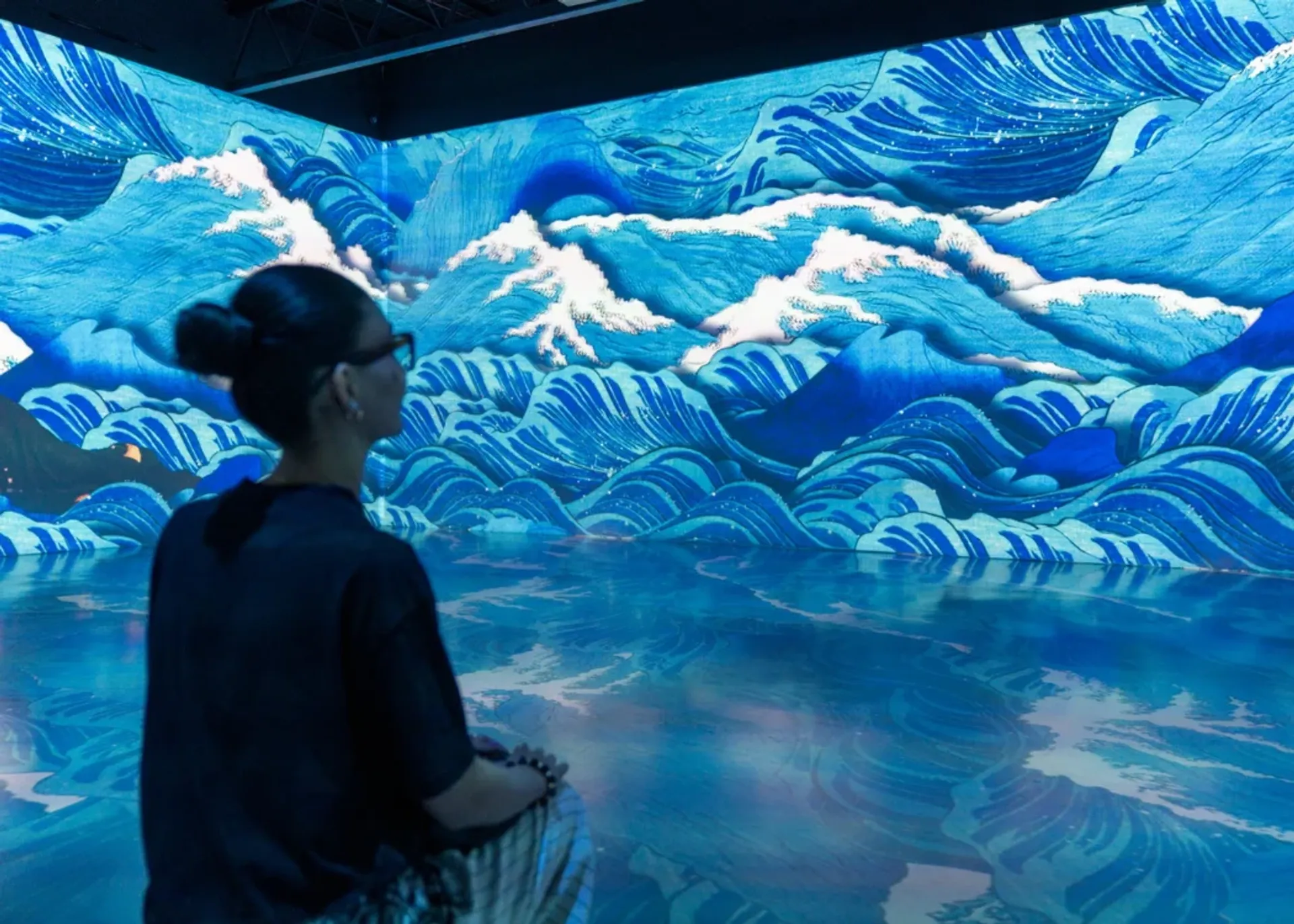
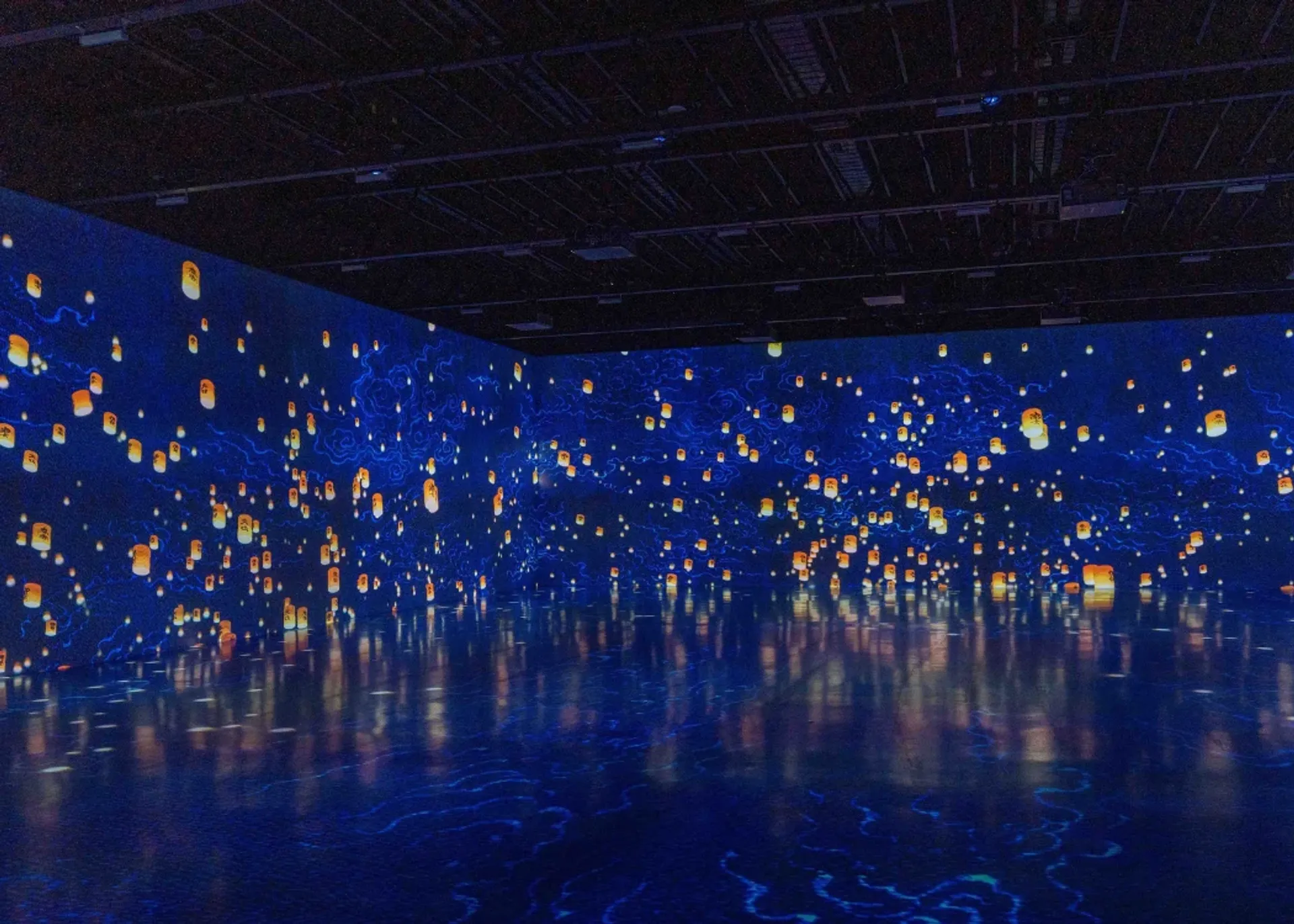
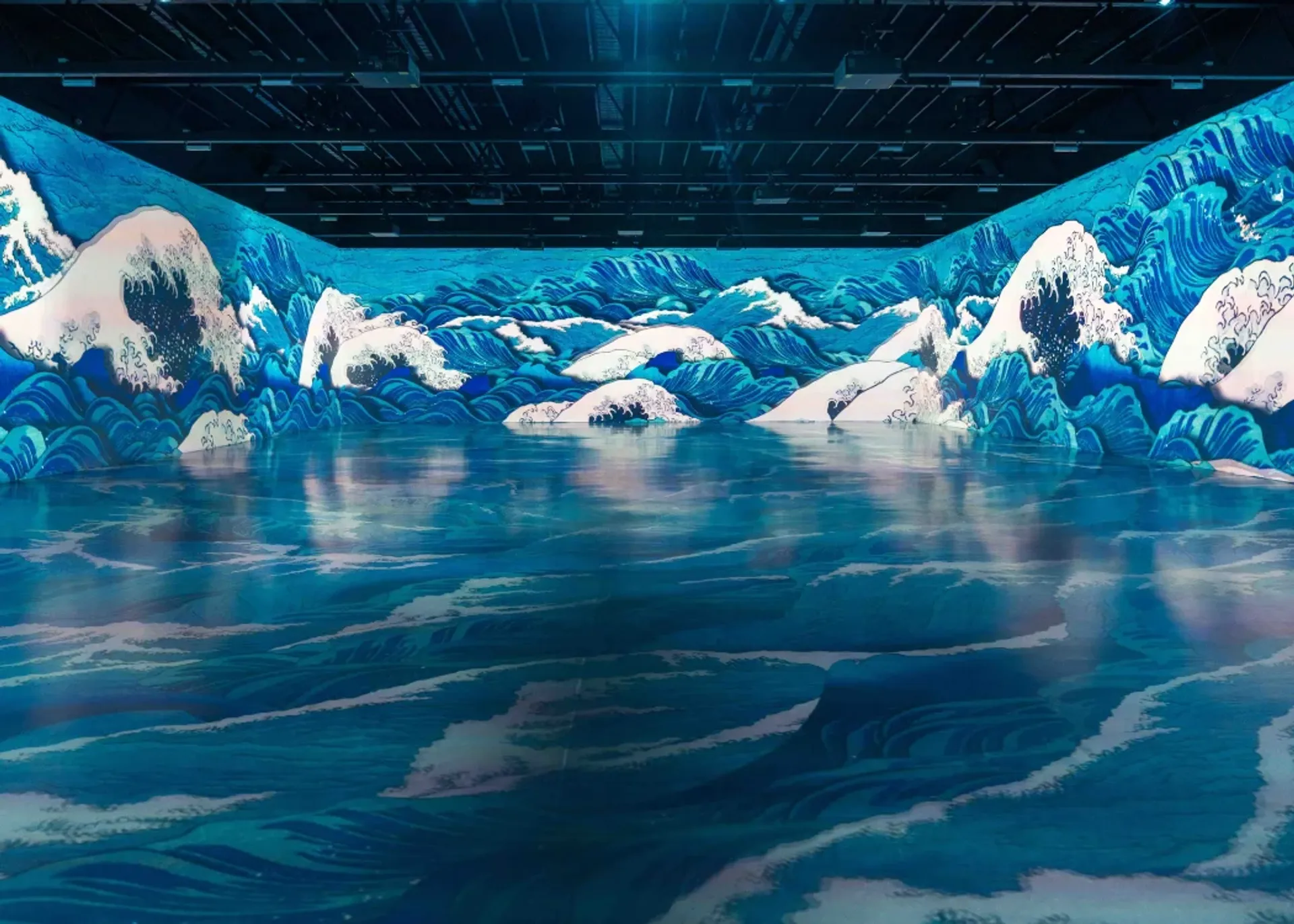
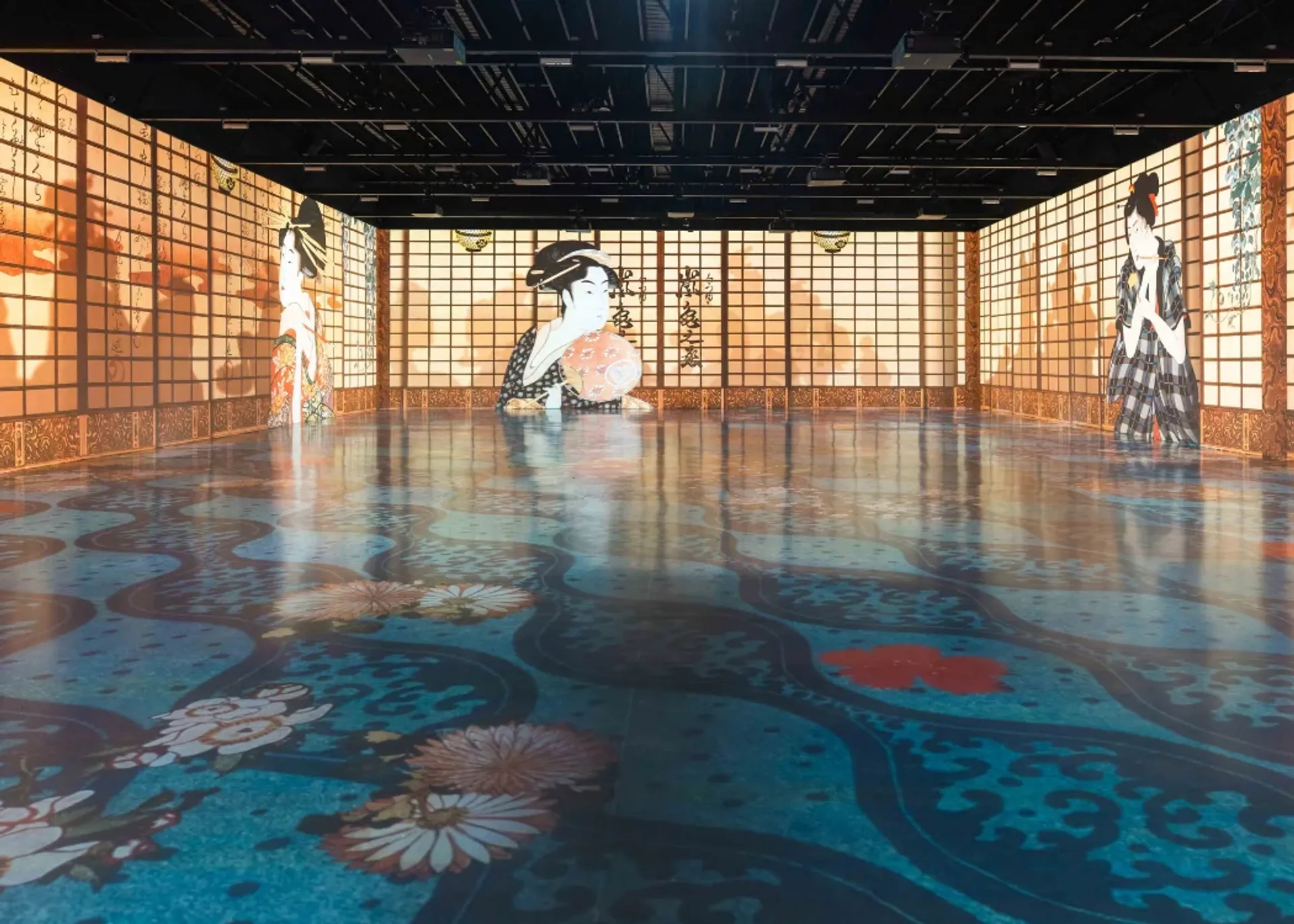
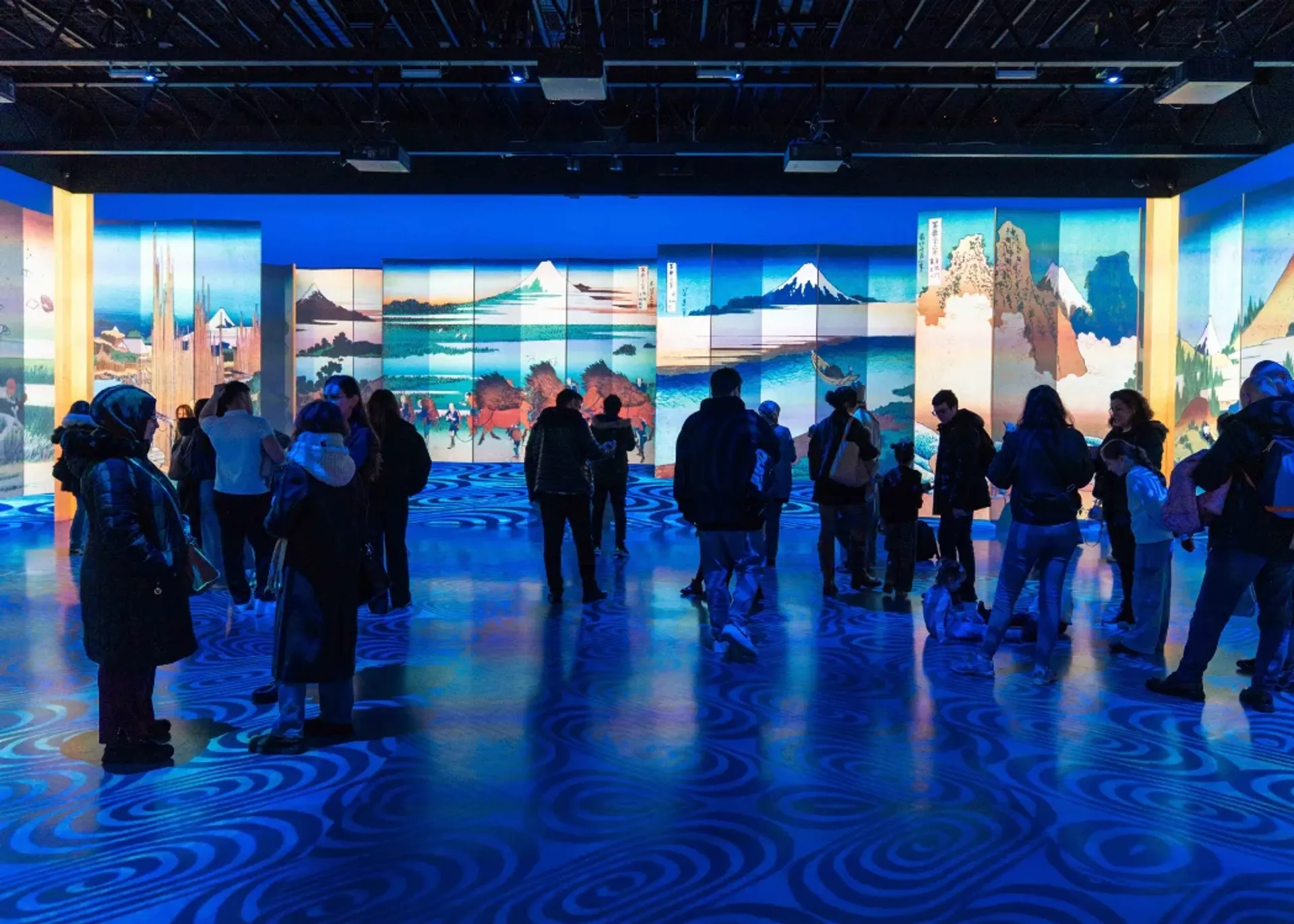
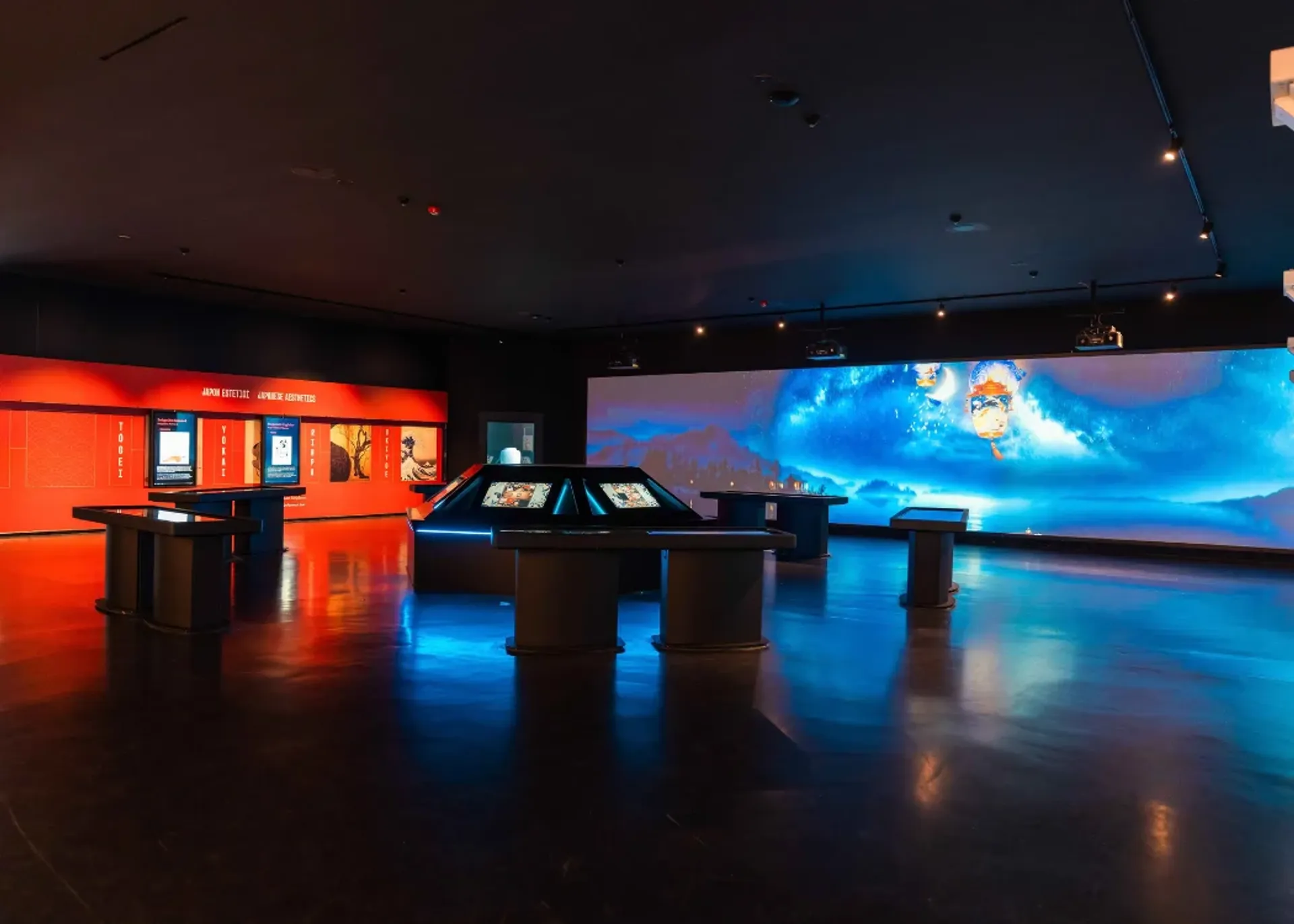
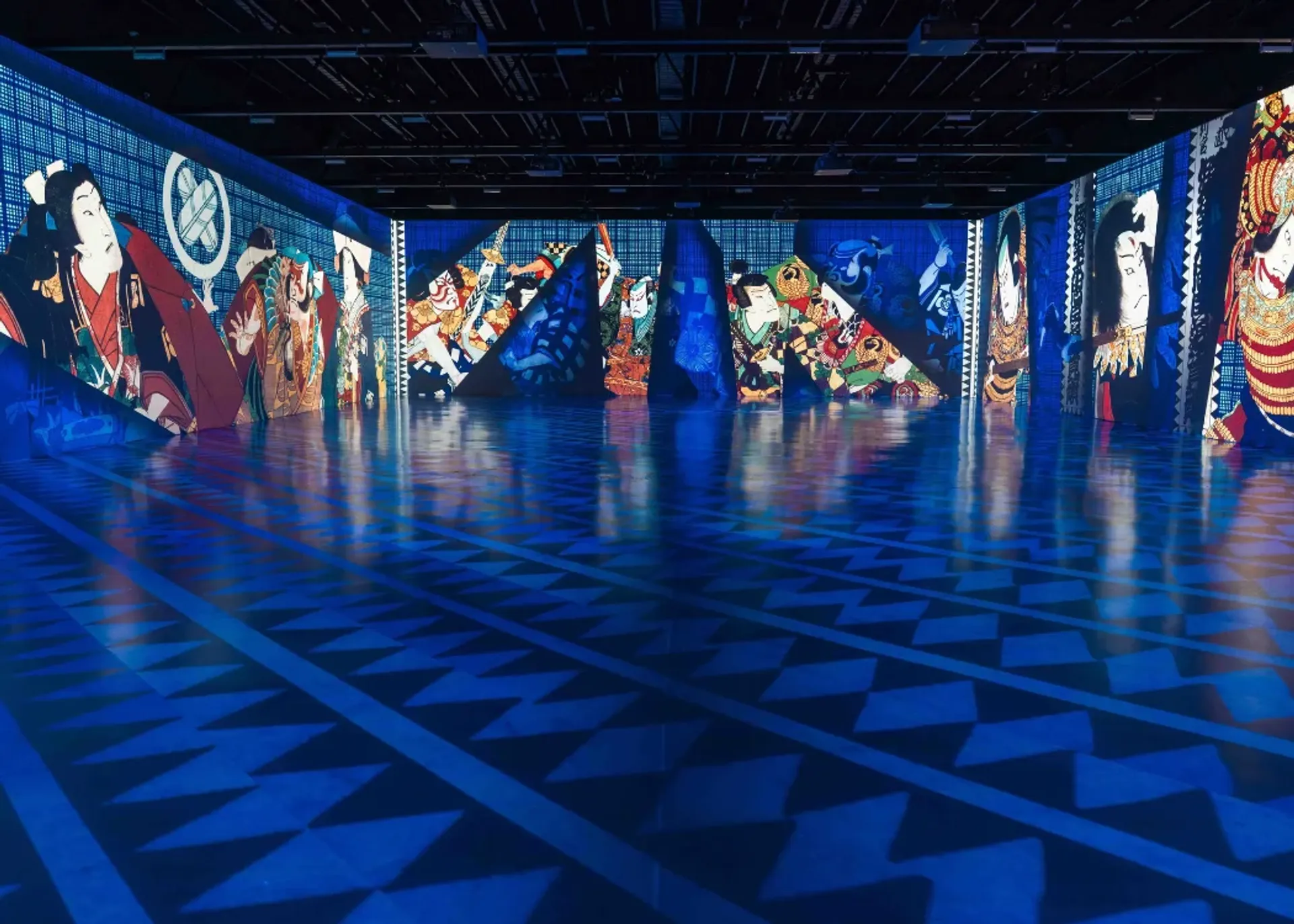
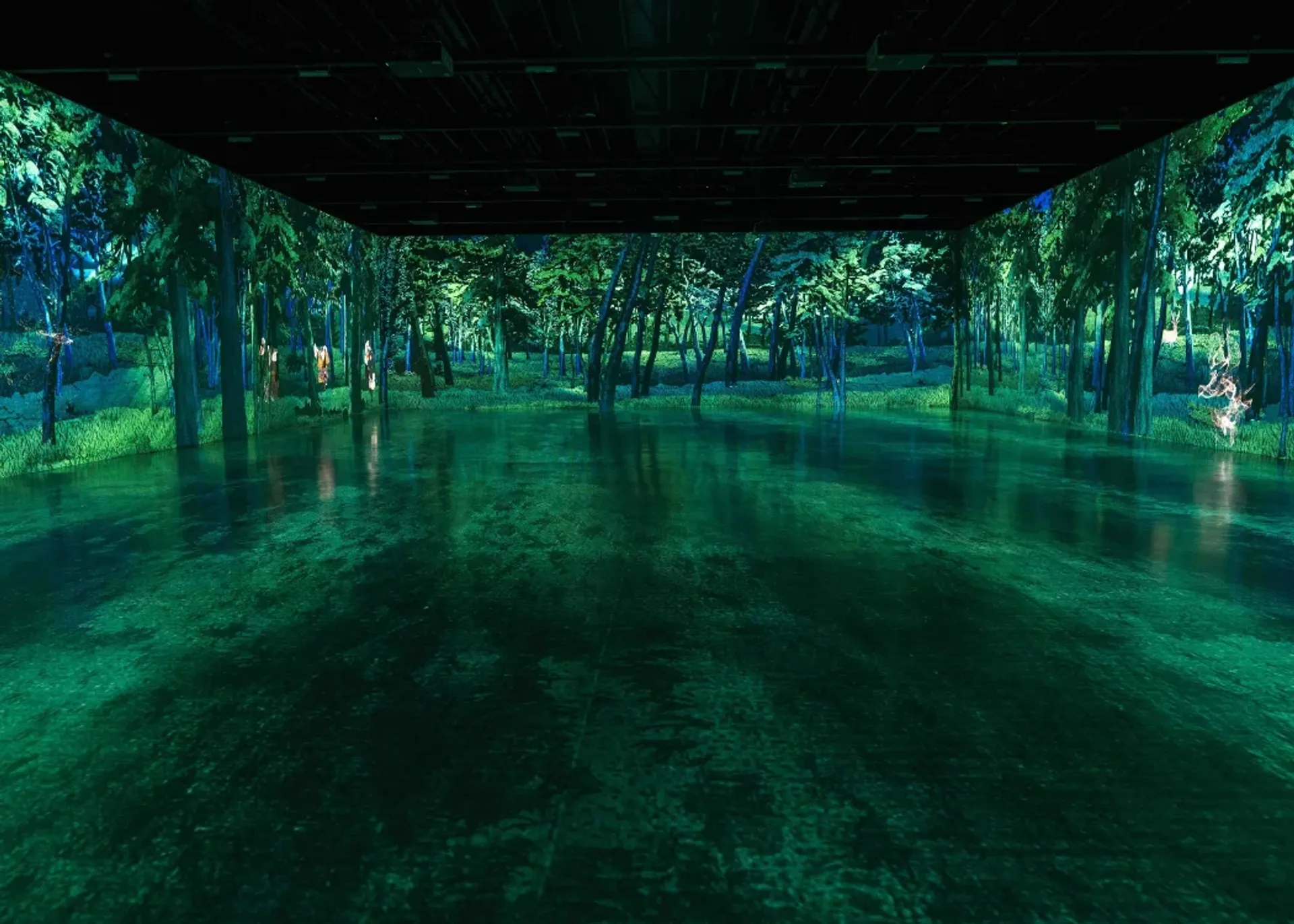
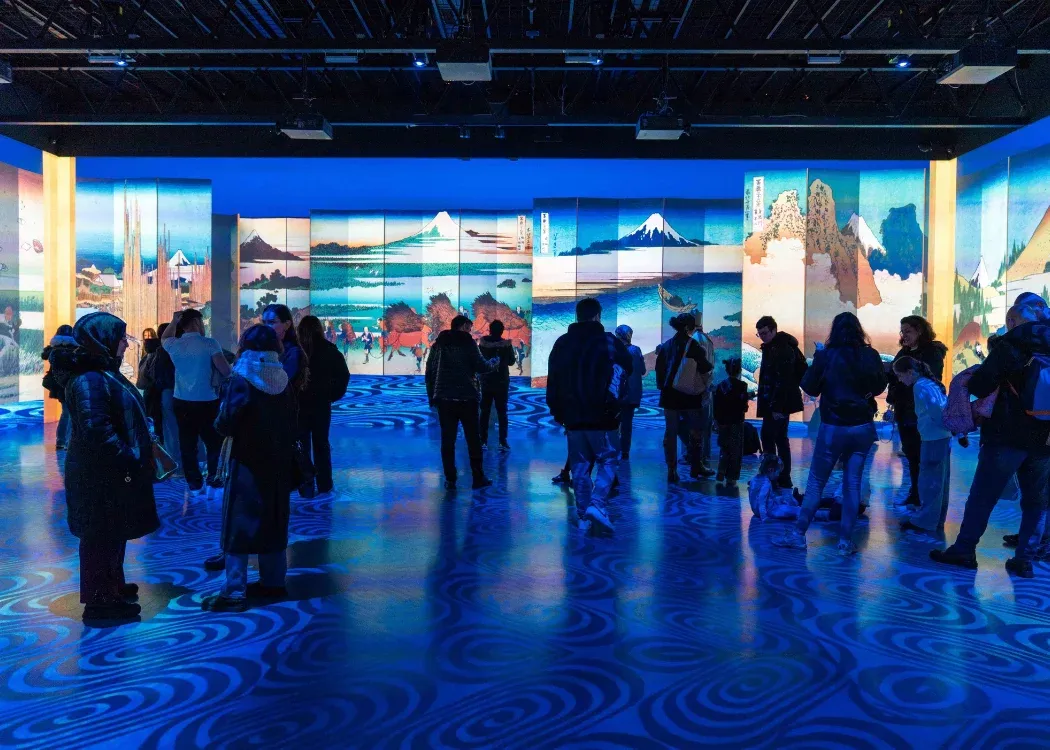
One of the museum's main spaces is the Immersive Experience Room, a large 400-square-meter projection area equipped with 30 4K projectors.
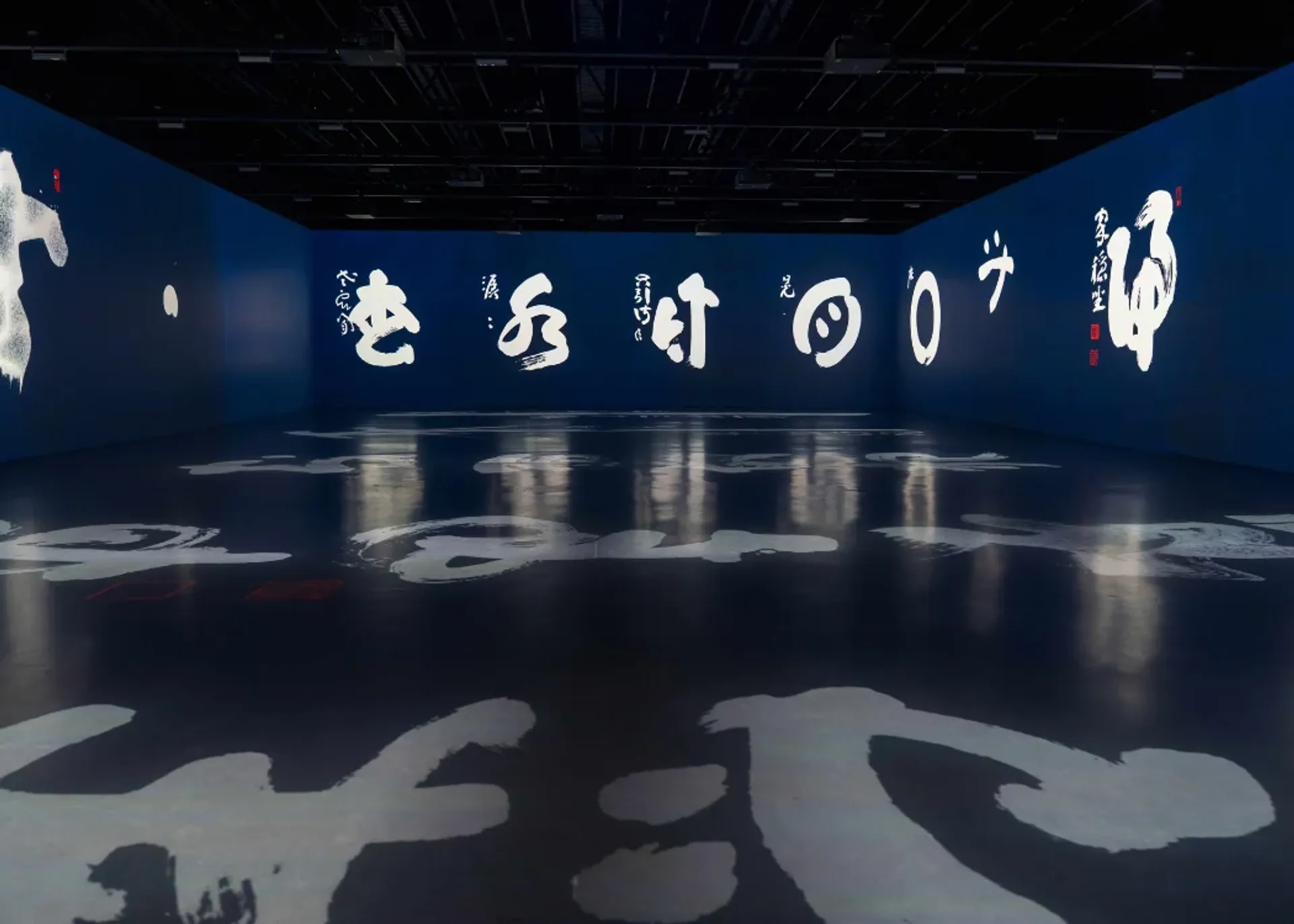
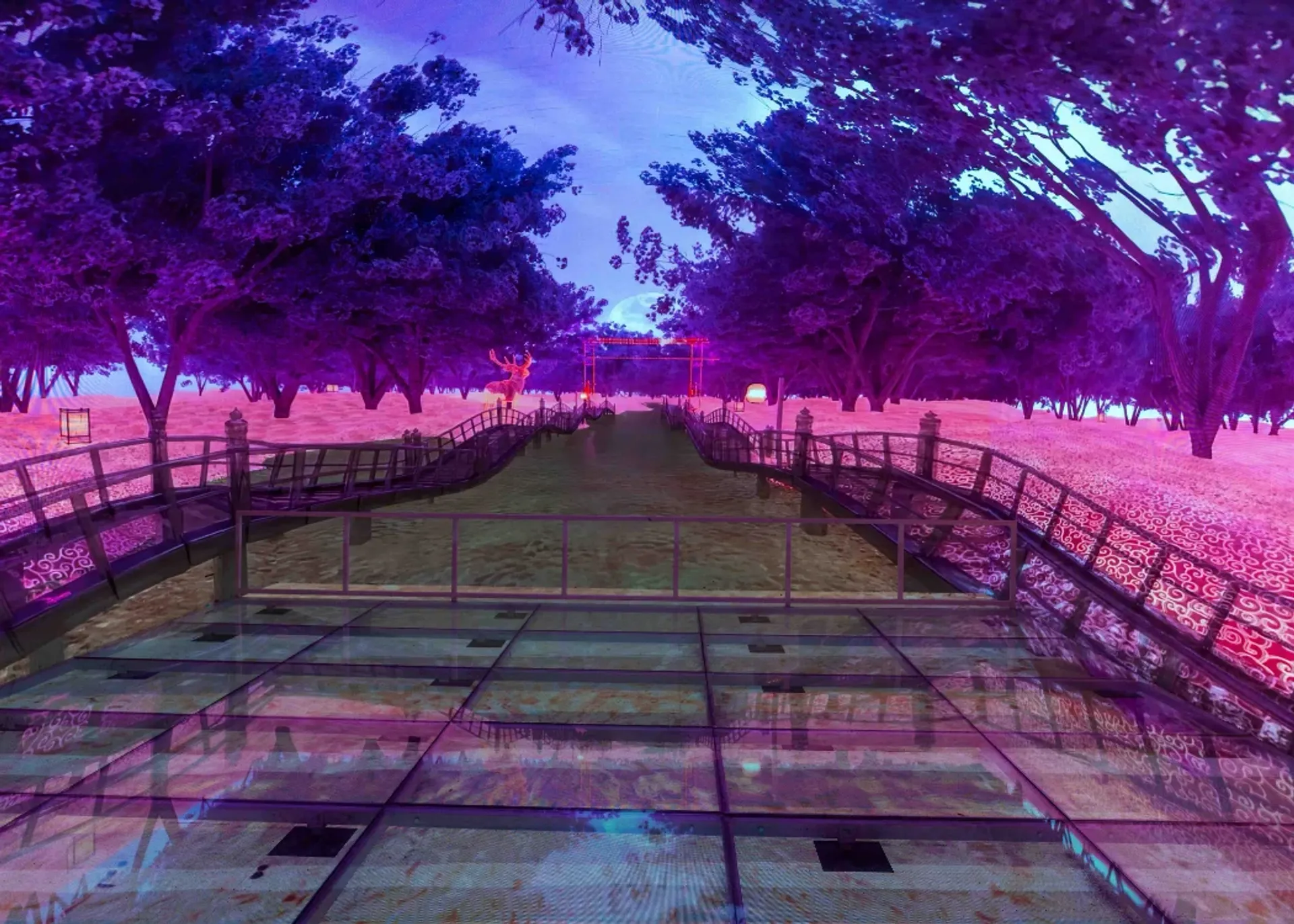
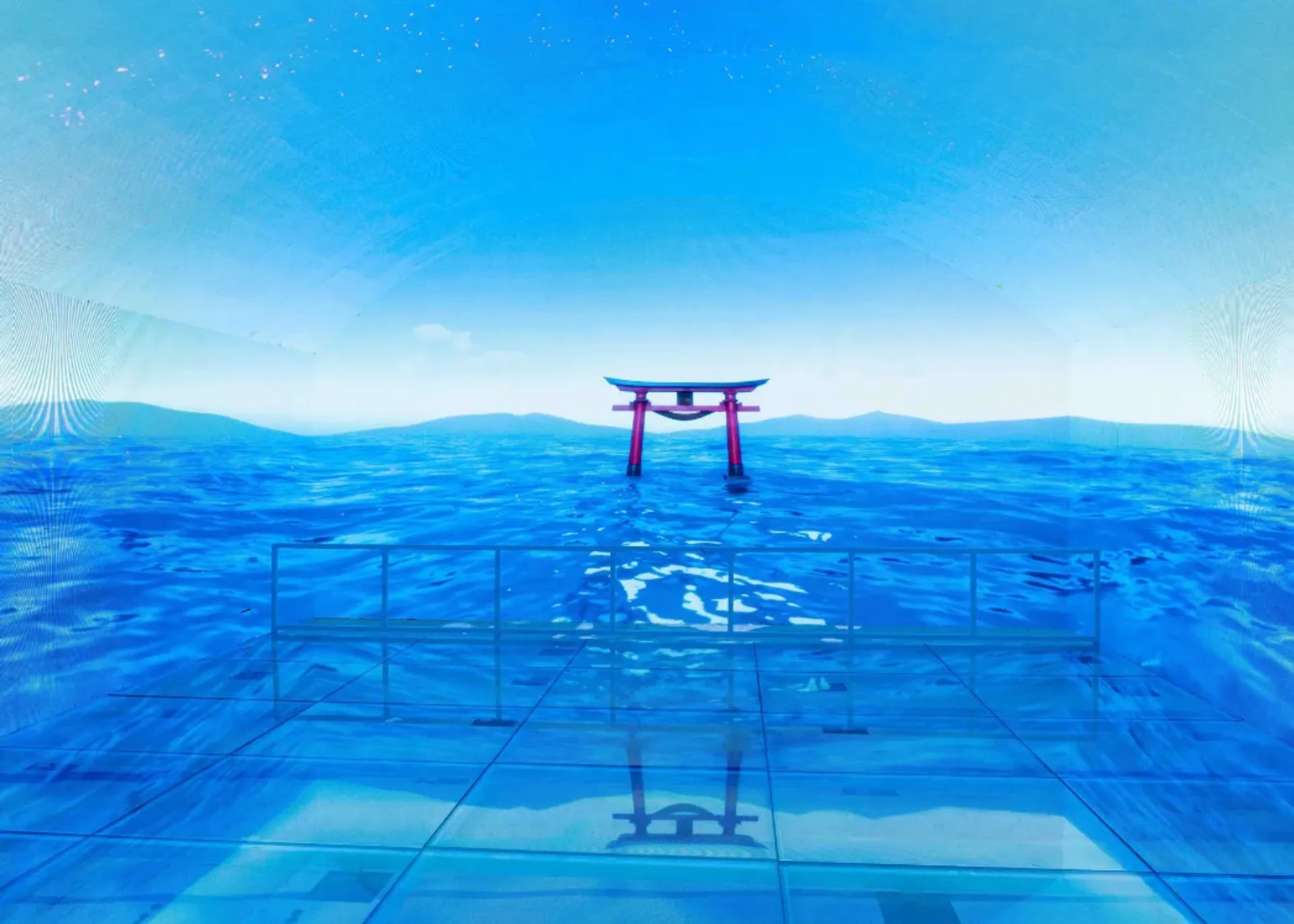
Images are projected across the walls and floor using 360-degree projection mapping, surrounding visitors rather than placing the artwork on a single screen. Music, animation, and large-scale visuals are combined to create a continuous experience that can feel closer to walking through a moving artwork than watching a conventional exhibition.
This room changes according to the current exhibition, so the visual experience can be completely different on a future visit.
Interactive Digital Spaces
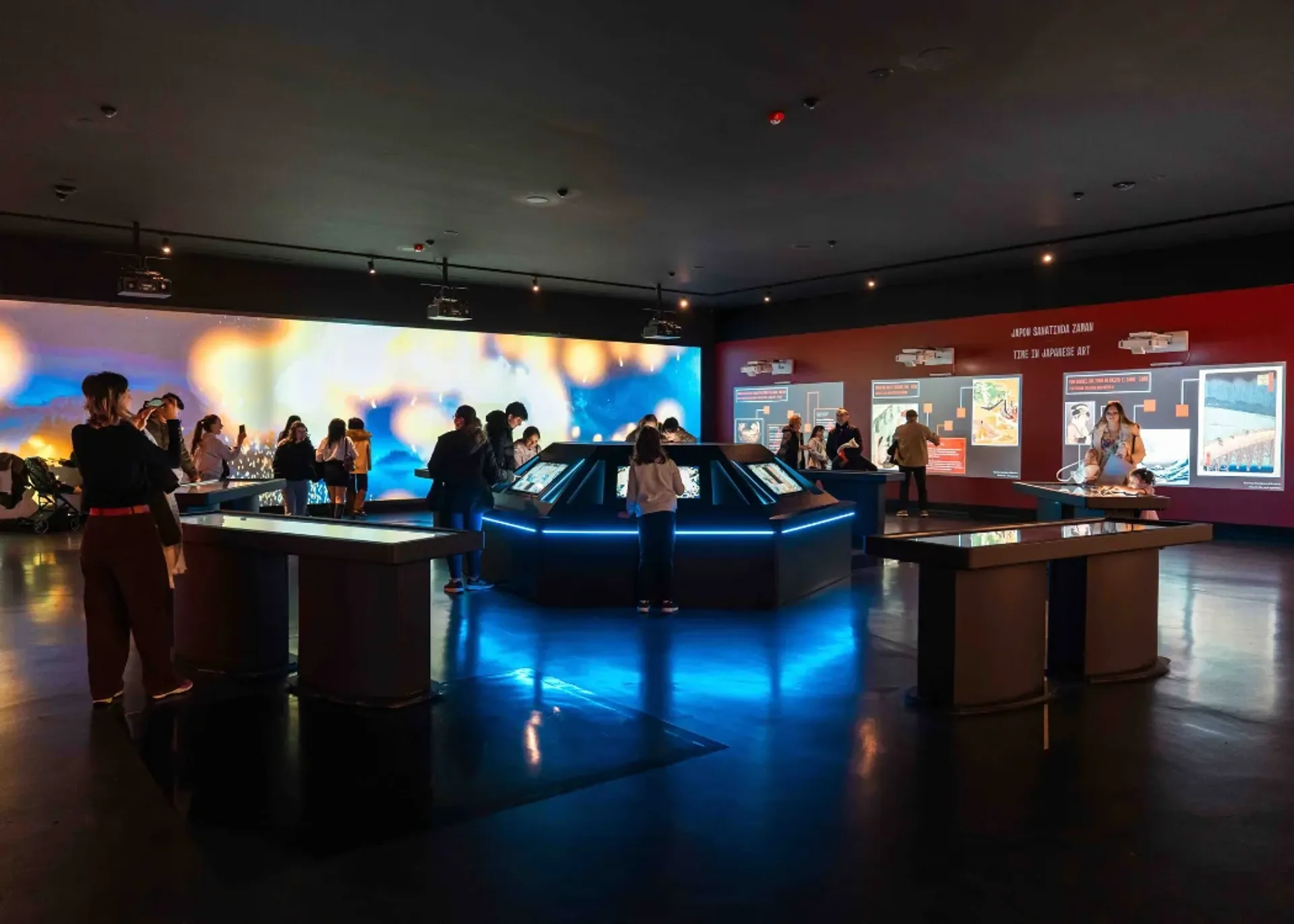
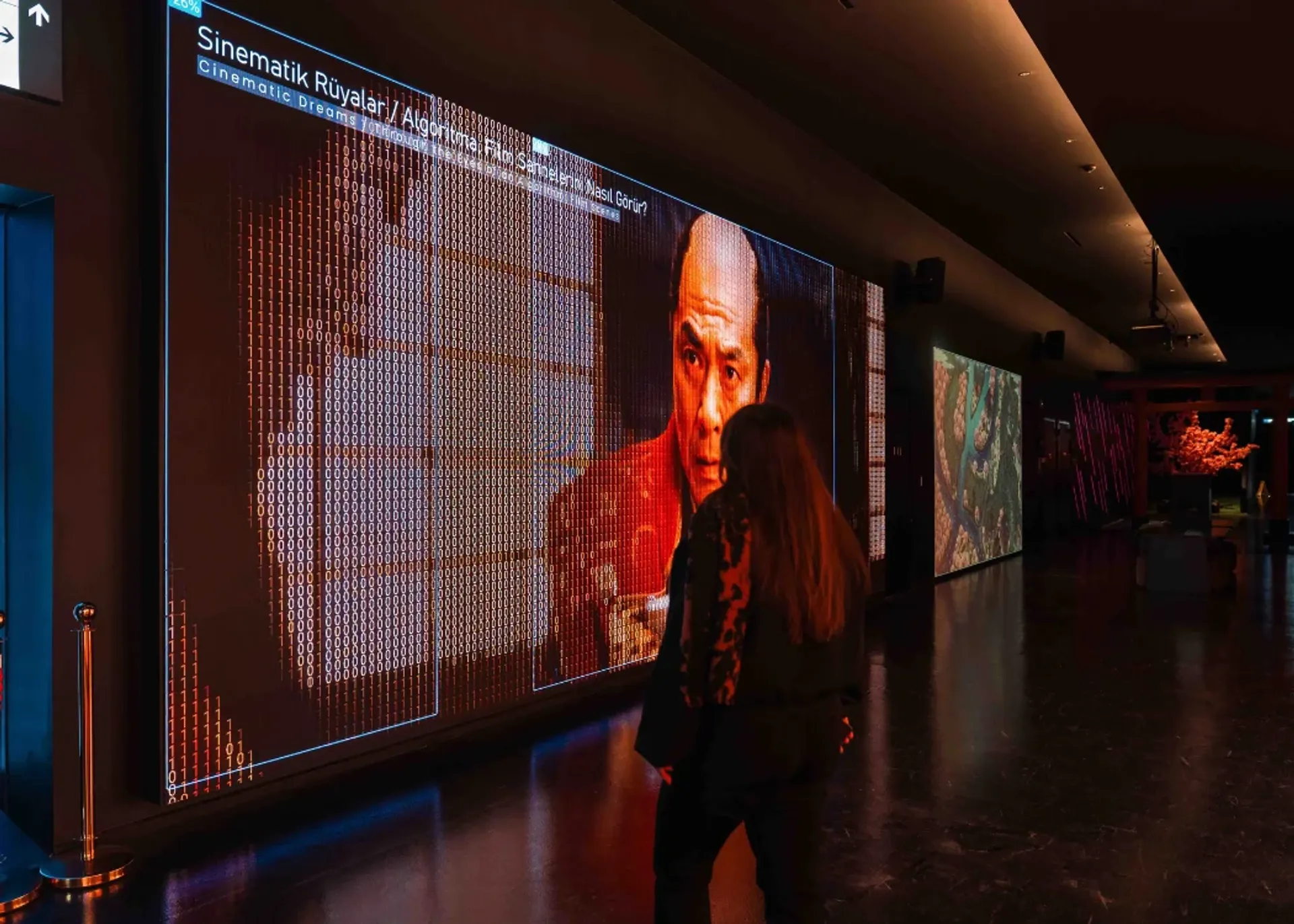
The Digital Room introduces visitors to the theme of the current exhibition through interactive screens, sensors, projections, and digital installations.
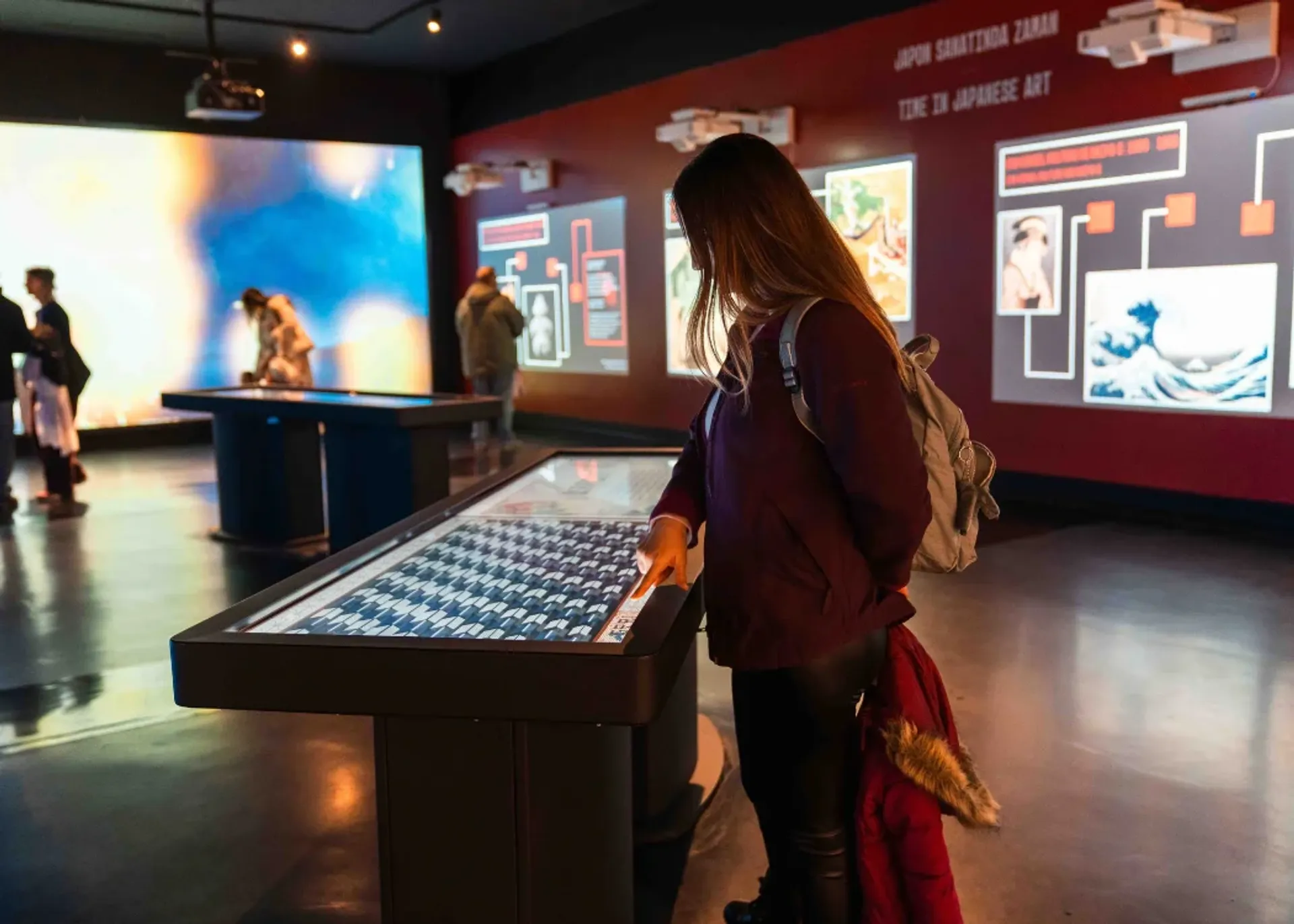
Instead of long information panels, many of the exhibits encourage visitors to discover the subject through interaction. Touch-sensitive interfaces, games, digital compositions, and animated displays make the information easier to explore at your own pace.
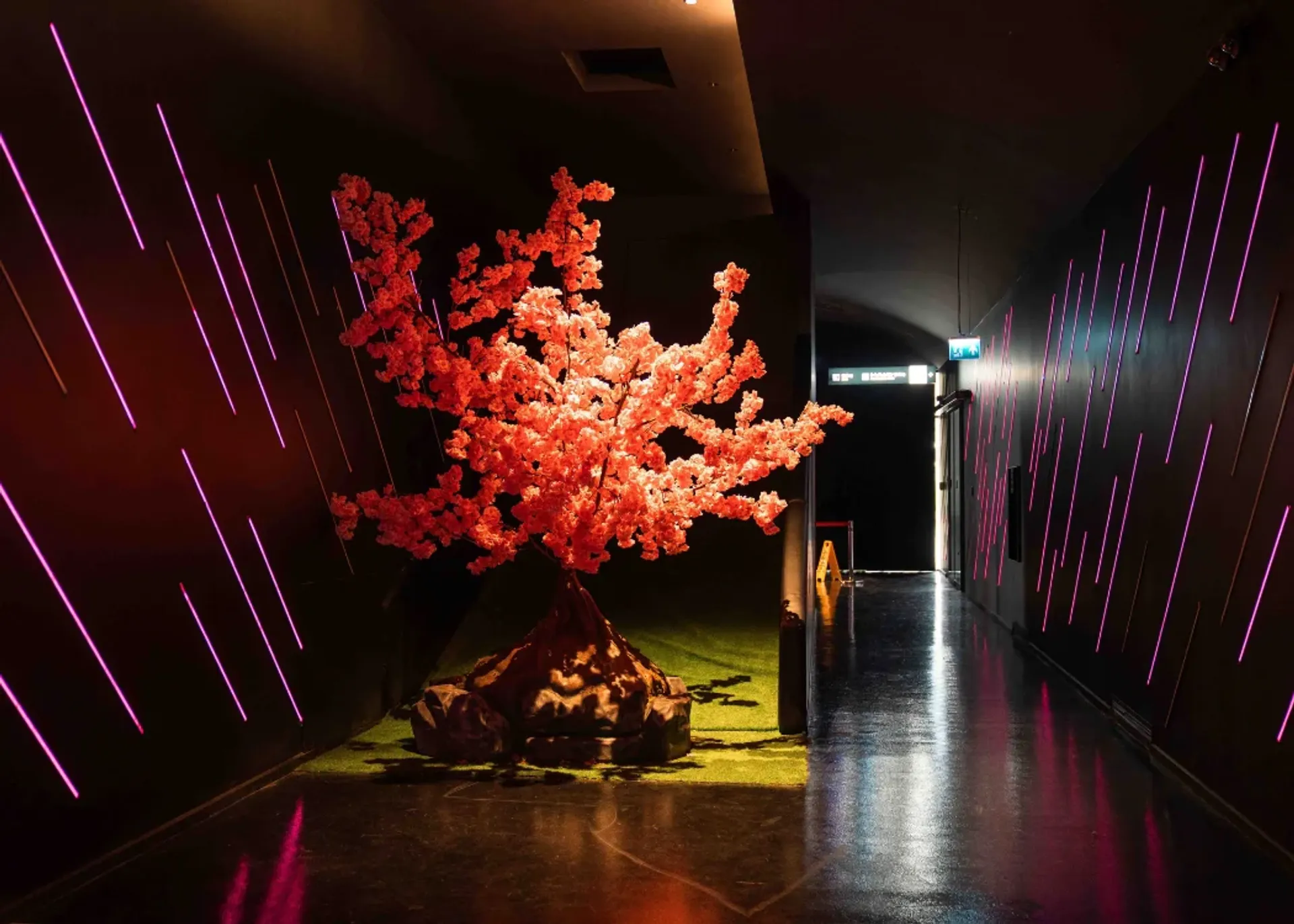
The experience continues in the Digital Corridor, where projections can react to visitors' movements. Depending on the exhibition, digital painting stations and interactive surfaces may also allow visitors to change or create parts of the images they see around them.
Virtual and Augmented Reality
Virtual reality and augmented reality are also used throughout the museum to extend the exhibitions beyond traditional screens and projections.
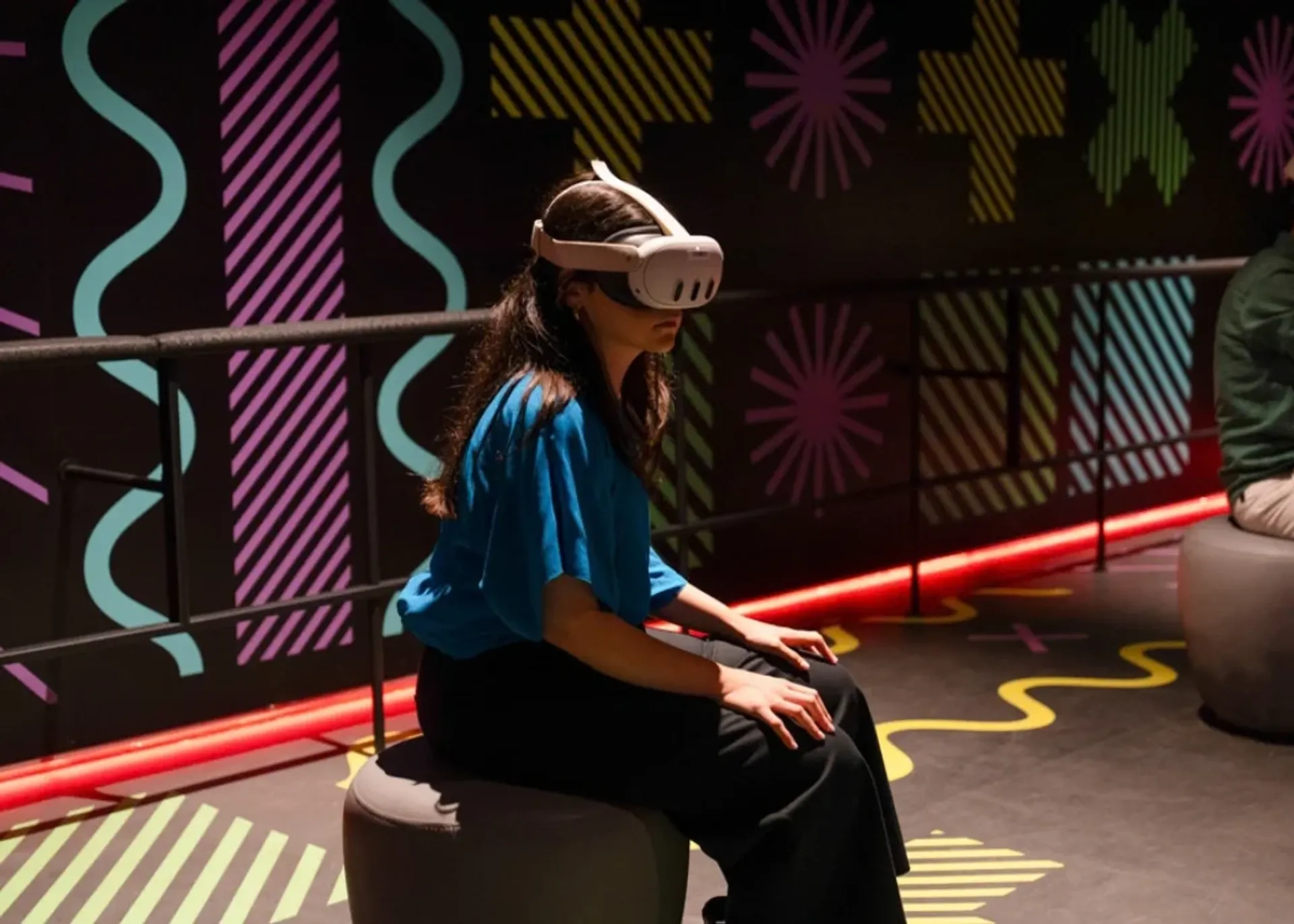
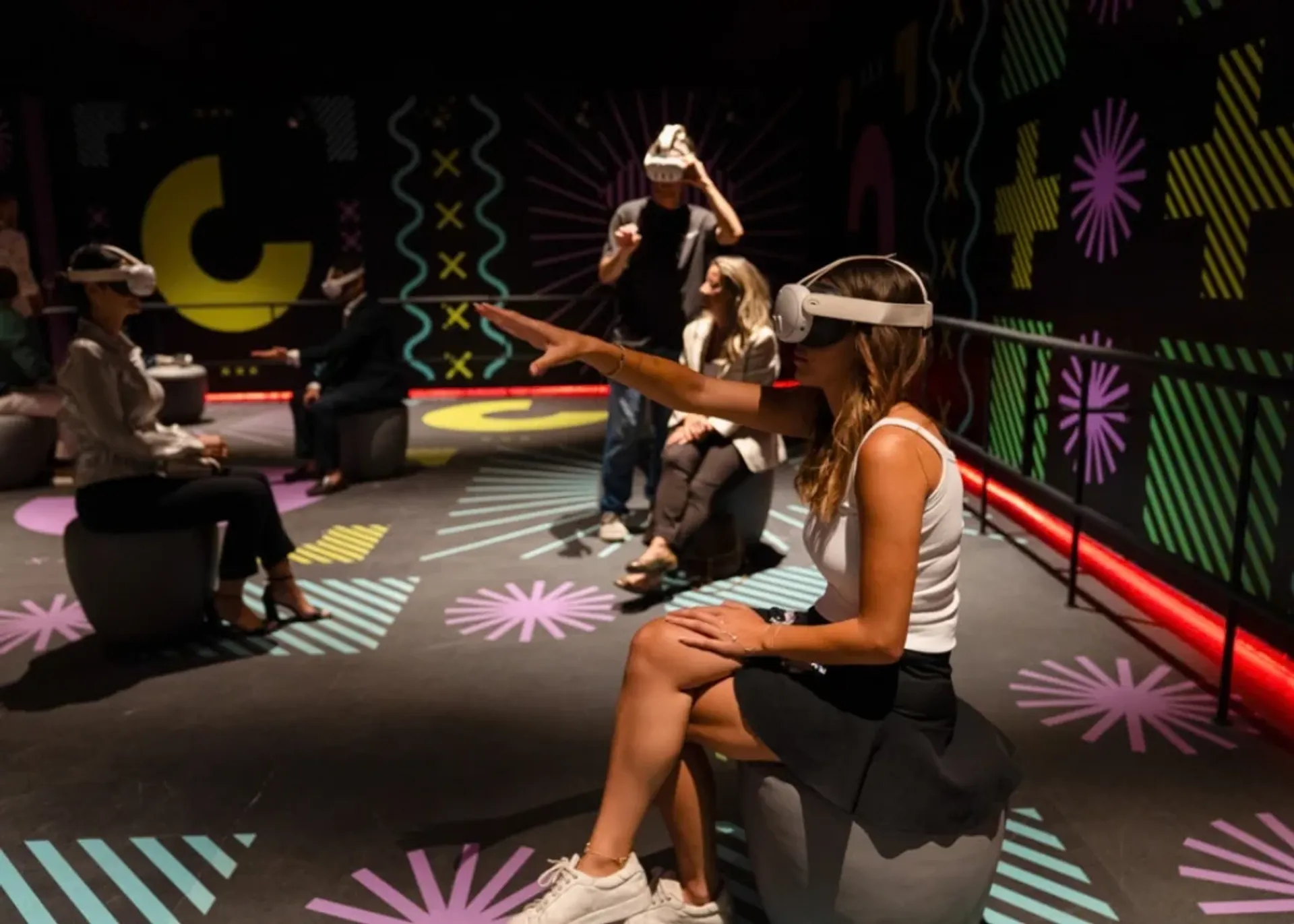
The Virtual Reality Room places visitors inside specially created digital environments using VR technology, while the Augmented Reality Room combines the physical surroundings with digitally generated elements. The exact content changes with each exhibition.
One detail is worth keeping in mind: according to the museum's current ticket information, the VR experience requires a separate additional ticket, so I would not include VR as part of the Istanbul Tourist Pass admission unless your agreement with Kültür AŞ specifically covers it.
Current Temporary Exhibition: Dream Time: Japan
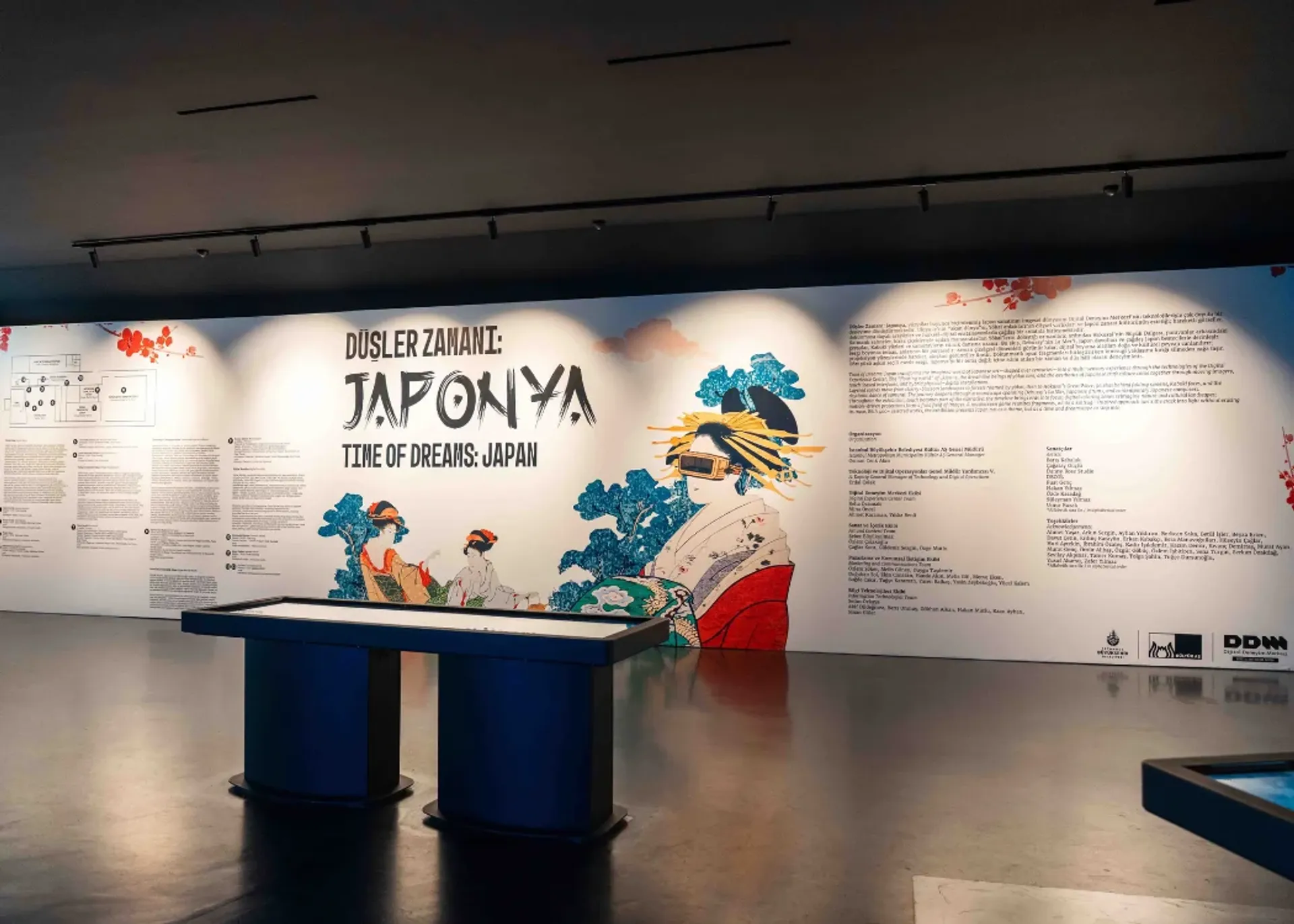
The museum regularly hosts temporary exhibitions, and its current exhibition is Dream Time: Japan (Düşler Zamanı: Japonya).
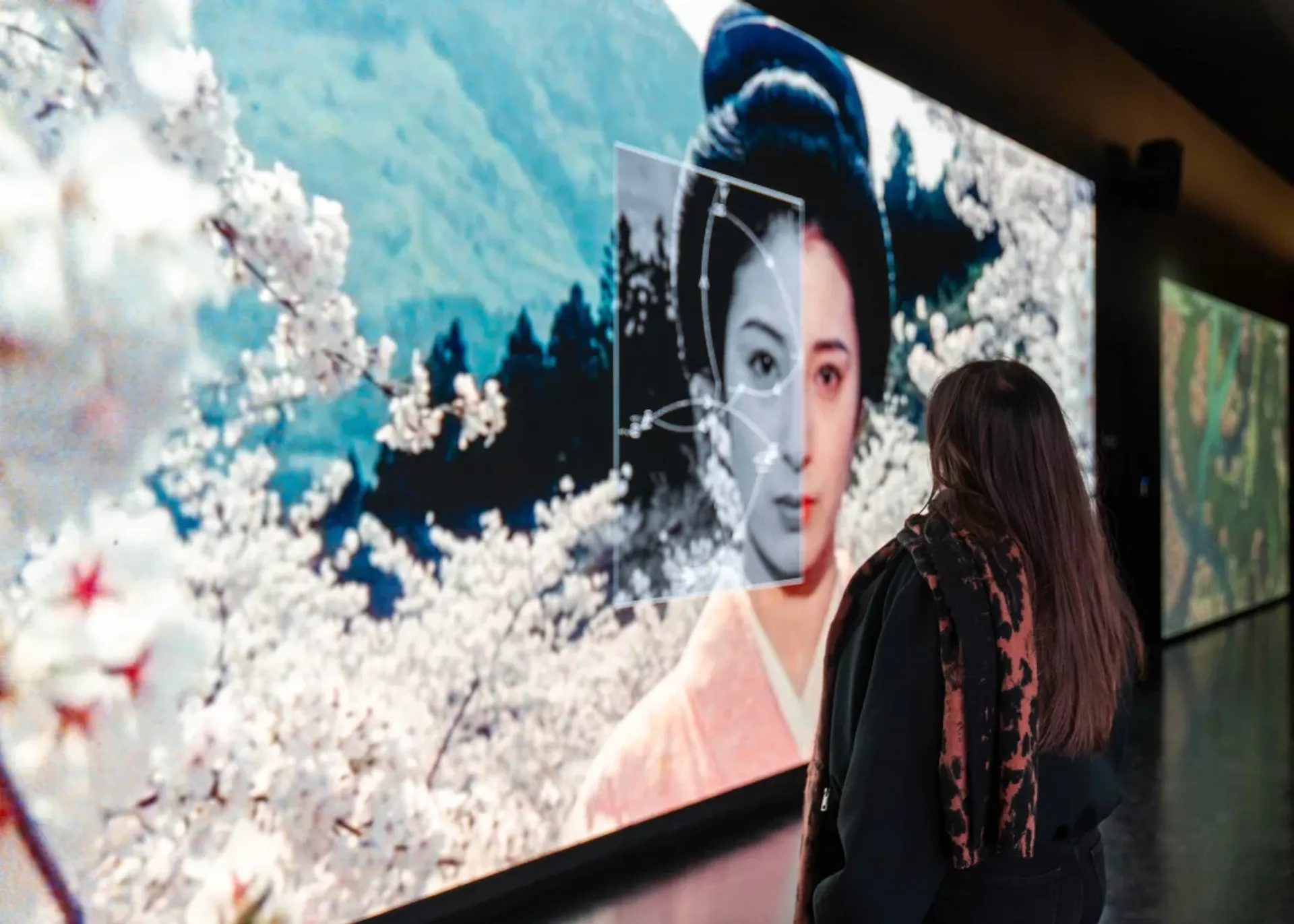
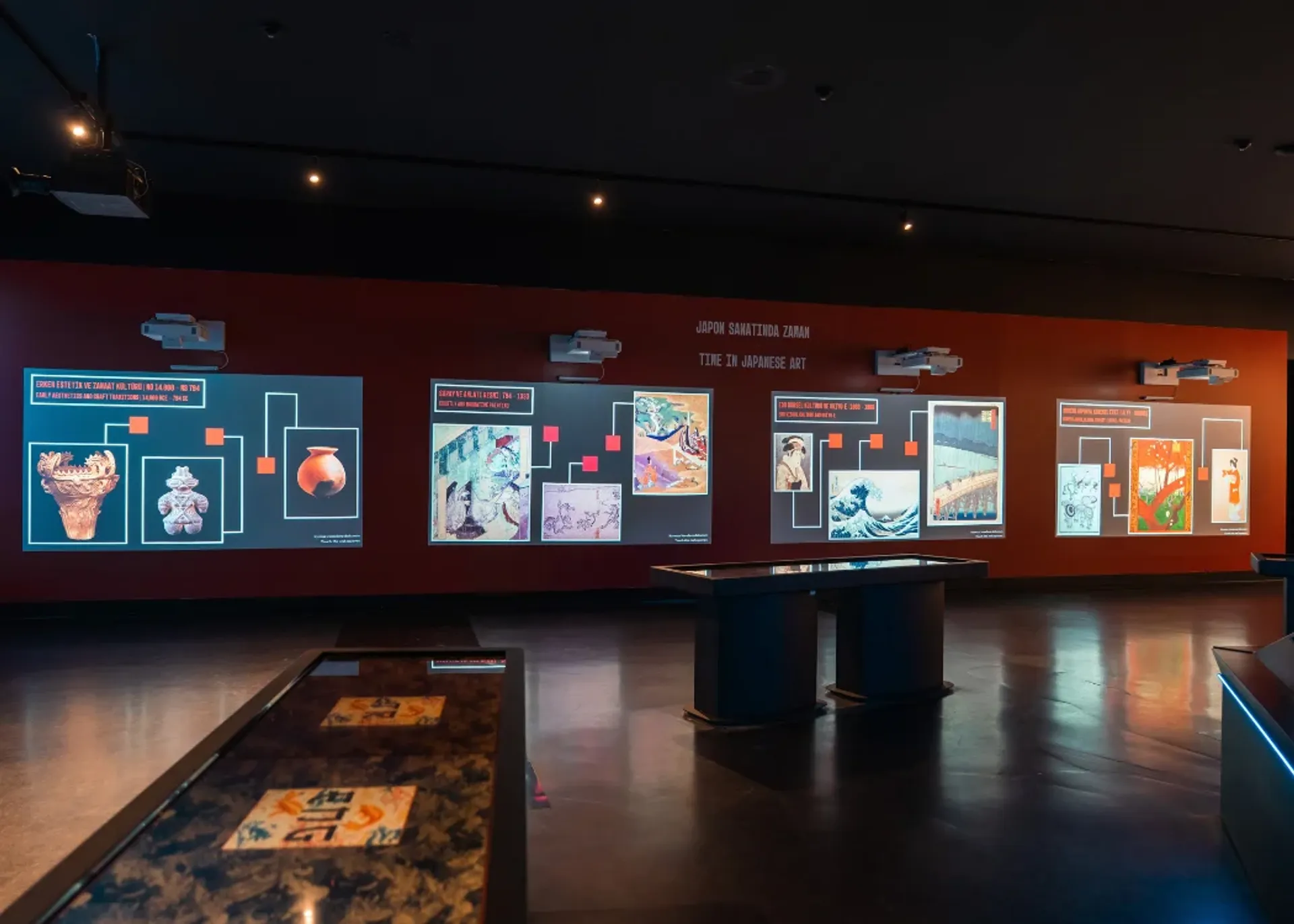
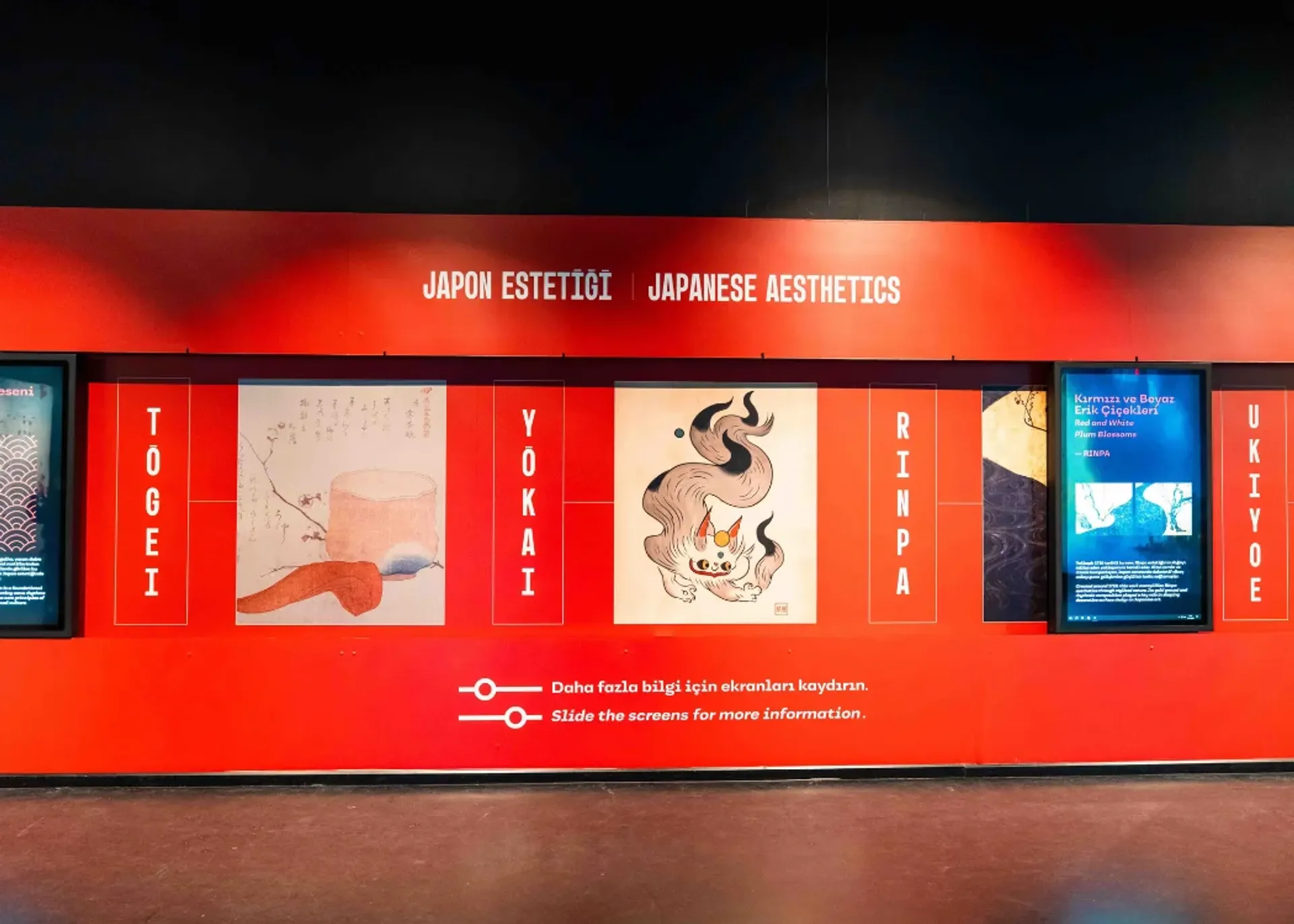
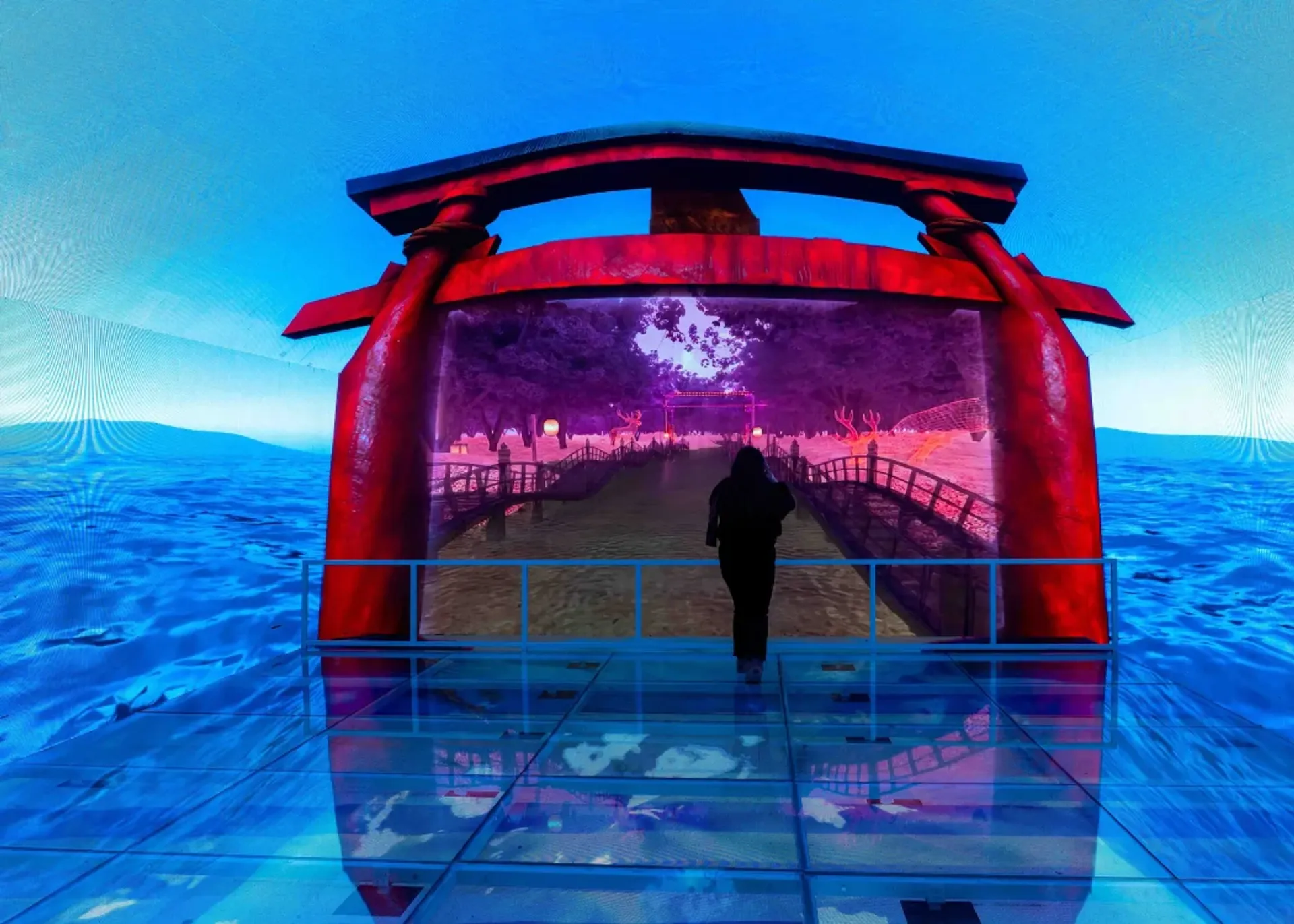
The exhibition explores around 300 years of Japanese visual culture, bringing traditional art together with contemporary digital technology. It draws inspiration from hundreds of works associated with Japanese art and culture, including ukiyo-e prints, folklore, nature, traditional crafts, samurai imagery, Kabuki theatre, and the mysterious creatures known as Yōkai.
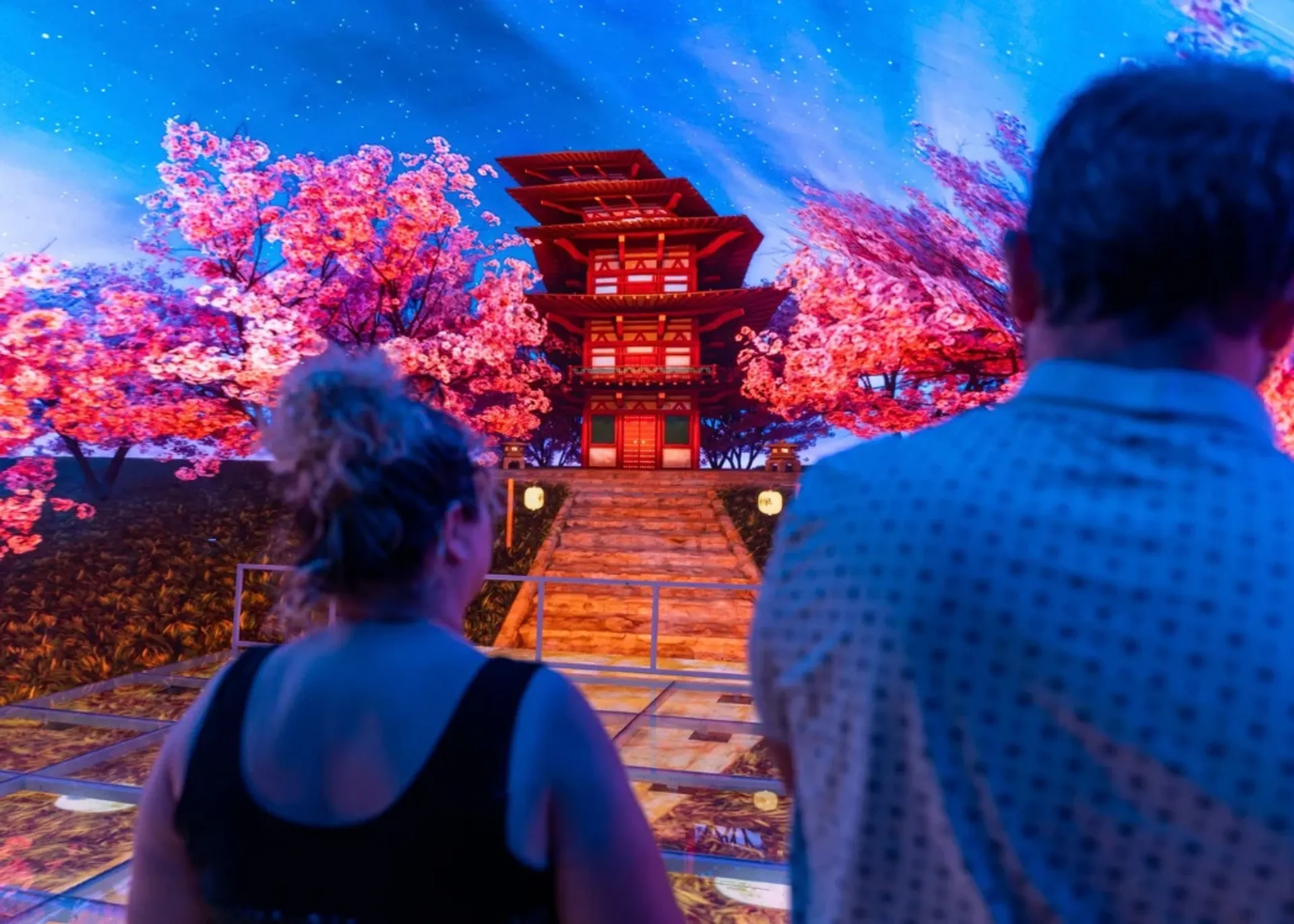
One of the most recognizable images featured in the experience is Hokusai's Great Wave. Visitors also encounter cherry blossoms, Japanese gardens, geishas, Kabuki figures, samurai, and dreamlike forests through animated projections and interactive installations. Sound is an important part of the experience as well, with music ranging from Japanese percussion to compositions connected with the atmosphere of the visual scenes.
The exhibition is spread across the different areas of the museum rather than being limited to one gallery.
In the Immersive Experience Room, the approximately 29-minute Spirit of Japan presentation surrounds visitors with large-scale projections inspired by works from artists such as Hokusai, Hiroshige, Utamaro, Kuniyoshi, Yoshida Hiroshi, Kawase Hasui, and Tsuchiya Koitsu.
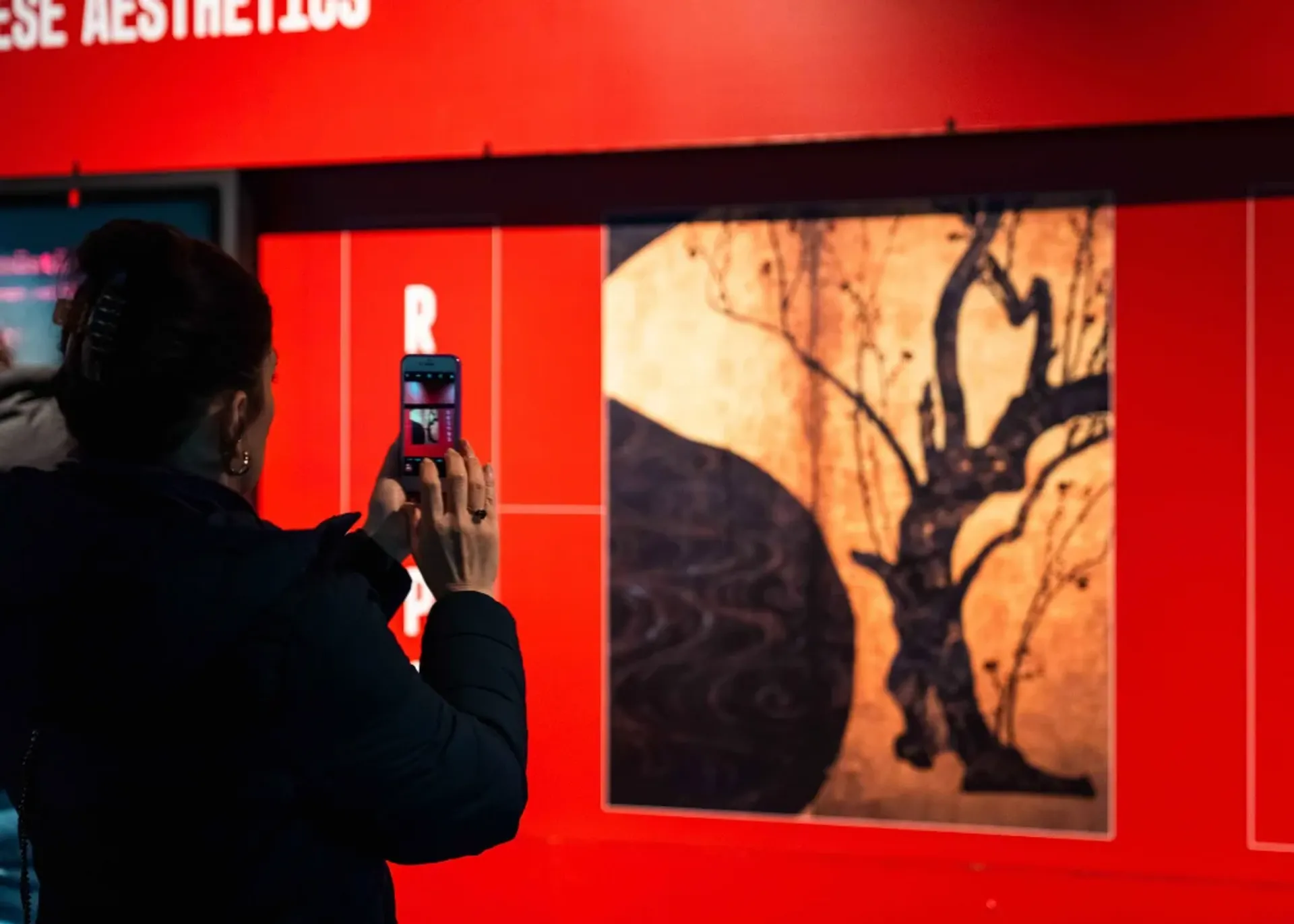
Elsewhere, interactive installations explore Japanese aesthetics, traditional patterns, art history, and craftsmanship. The augmented reality section includes a digital Bonsai Garden, while the VR experience takes inspiration from the supernatural world of Yōkai folklore.
Rather than presenting Japanese culture through objects in display cases, the exhibition uses sound, animation, projections, and interaction to turn the subject into a visual journey.
Dream Time: Japan is currently scheduled to remain open until September 27, 2026.
A Good Choice for Families and Curious Visitors
The Digital Experience Museum works well for both adults and younger visitors because much of the museum is based on movement, images, sound, and interaction rather than lengthy written explanations.
Families can explore the interactive areas together, while visitors interested in digital art, technology, design, or photography will find plenty to see. It is also one of the more visually distinctive attractions in Istanbul, with large projection rooms and installations that make it very different from the city's archaeological and historical museums.
Visitors who are sensitive to intense light, sound, or moving images should be aware that some areas use strong audiovisual effects. The museum also advises additional caution for certain VR, immersive, and augmented-reality experiences for visitors with epilepsy, cardiovascular conditions, pregnancy, or certain medical devices.
Where Is the Digital Experience Museum?
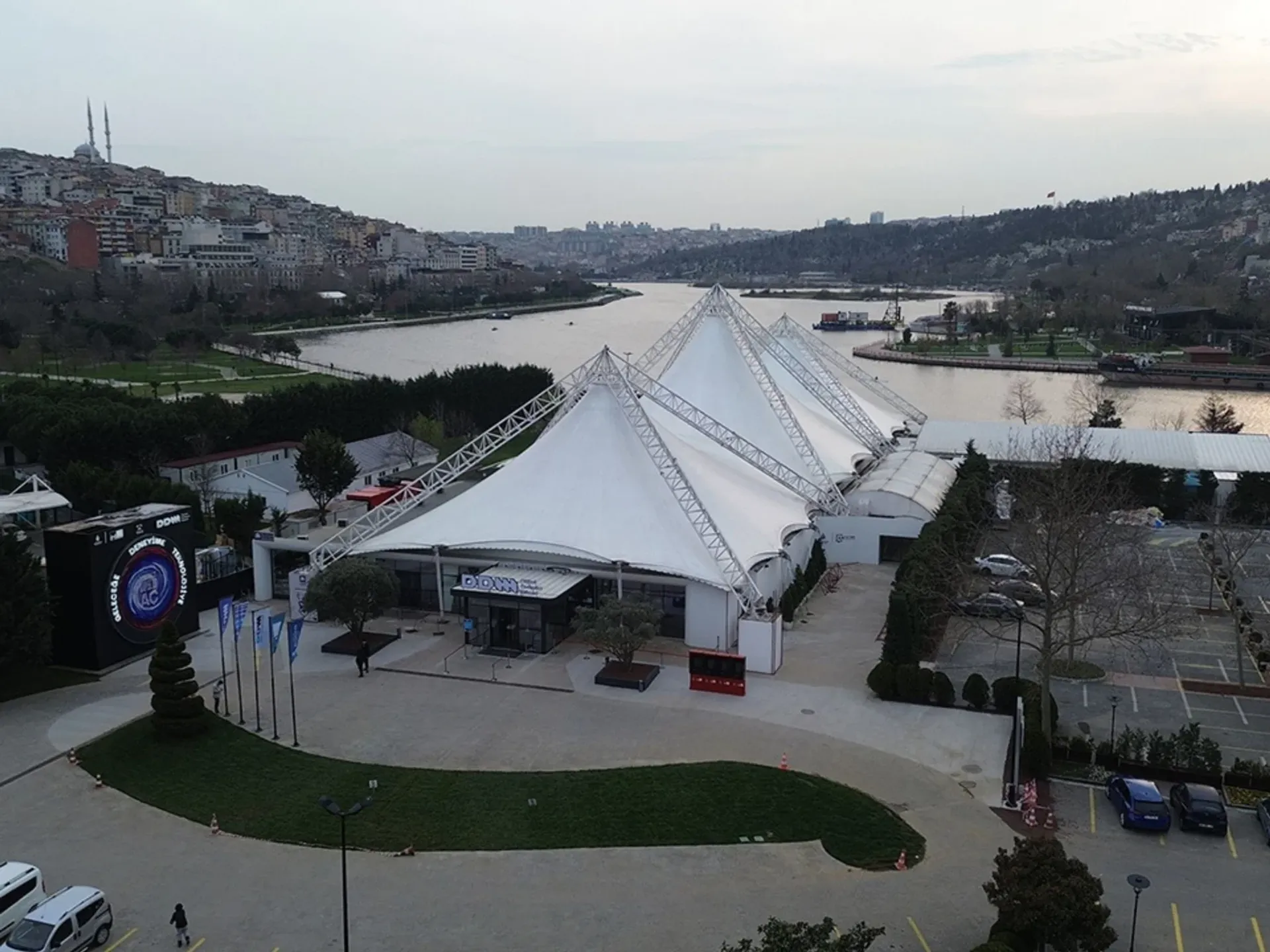
The museum is located in Sütlüce, Beyoğlu, right next to Miniatürk.
Its location makes it possible to combine both attractions in the same sightseeing plan. Visitors can reach the area by public transportation from different parts of Istanbul, including connections from Halıcıoğlu Metrobus Station and buses serving the Miniatürk stop. The Sütlüce ferry pier is also within walking distance.
Unlike many of Istanbul's major attractions, the Digital Experience Museum is not located in the Historic Peninsula. That makes it a good addition for travelers who have already explored Sultanahmet and want to discover another part of the city.
Discover Istanbul Beyond the Classics
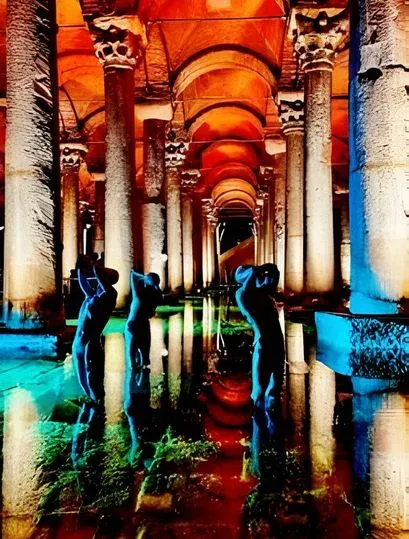
The Digital Experience Museum shows a different side of Istanbul's cultural scene. Here, history and culture are not presented through traditional museum displays alone; they are transformed through projections, interactive installations, sound, virtual environments, and digital storytelling.
Because the exhibitions change over time, the experience can also evolve from one visit to another. From large-scale immersive rooms to interactive installations and temporary exhibitions, it is a place built around participation rather than passive viewing.