


Istanbul is huge and layered, and it's easy to treat it like a checklist. This guide suggests a different pace, built around neighborhoods, water and the small daily rituals locals take for granted.
What does slow travel in Istanbul actually look like?
In practice, slow travel in Istanbul means one area per day, long walks, and at least one ferry crossing. Instead of covering the Old City, Galata and the Asian side in a single afternoon, you give each its own day. You eat where people from the neighborhood eat and you sit down more often than feels efficient.
A simple rhythm works well: one major sight in the morning, an unplanned afternoon in the streets around it, and sunset by the water, which is never far away. Istanbul's districts feel like separate towns, so treat each one as a destination in itself. Three or four days at this pace will tell you more about the city than a week of rushing.
Why are ferries the best slow transport in Istanbul?
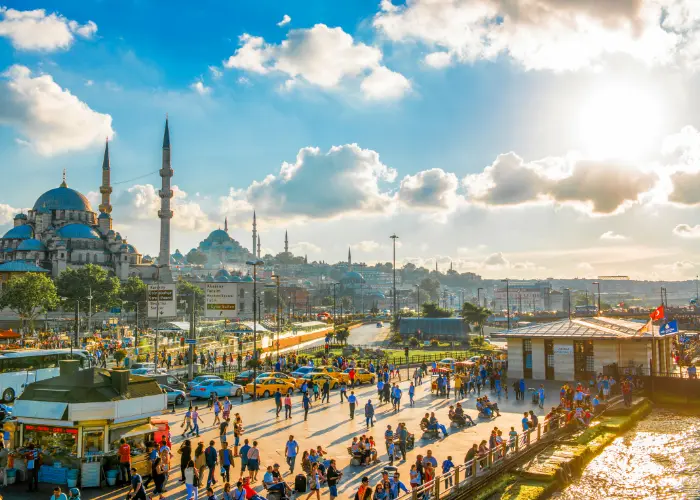
Ferries are the most relaxing way to move around Istanbul, and they're everyday public transport, not just a tourist ride. Commuters cross between Europe and Asia on them daily, reading, chatting and feeding the gulls. A crossing between Eminönü, Karaköy, Kadıköy or Üsküdar gives you skyline views of mosques and palaces for the price of a regular fare.
Order a tea from the on-board vendor, find a seat on the open deck and watch the city slide past. If you want a longer look at the waterfront mansions and fortresses along the strait, a dedicated Bosphorus cruise is a calm way to spend a few hours. For the regular city ferries, trams and metro, an Istanbul transportation card saves you from buying single tickets at every stop.
Where should you walk if you want to explore slowly?
The best slow-travel walks in Istanbul follow residential neighborhoods rather than the main tourist strip. Balat and Fener, Kadıköy and Moda, Cihangir, the Üsküdar waterfront and the Princes' Islands each offer a half day or full day of wandering. Wear comfortable shoes: the city is hilly, and many streets are steep and cobbled.
Balat and Fener
These old Golden Horn neighborhoods are known for colorful wooden and brick houses, steep lanes and a long multicultural history. You'll pass the Ecumenical Patriarchate in Fener, the cast-iron Bulgarian St. Stephen Church on the shore, small antique shops and plenty of cafes. Go in the morning, before the photo crowds, and remember that people live here. Ask before photographing residents.
Kadıköy and Moda
On the Asian side, Kadıköy's market streets are full of fishmongers, pickle shops, cheese counters and spice sellers. It's one of the best places in the city to graze slowly. Walk south to Moda, where a seaside park and promenade fill up at sunset with families, dog walkers and friends sharing sunflower seeds.
Cihangir
Just above the Bosphorus near Taksim, Cihangir is a relaxed, leafy area of cafes, bookshops and street cats. It's a good place for a long breakfast and an aimless walk downhill toward Tophane and Karaköy.
Üsküdar waterfront
Üsküdar is more traditional and quieter than its neighbor Kadıköy. Its shore has some of the best views back toward the historic peninsula, with the Maiden's Tower sitting just offshore. Locals gather here in the evening with tea, and the nearby Mihrimah Sultan and Şemsi Pasha mosques are worth a quiet visit.
The Princes' Islands
A ferry ride from the city brings you to a group of islands in the Sea of Marmara where private cars are largely absent. Büyükada, the largest, has old wooden mansions, pine-covered hills and long walking or cycling routes. If you'd rather not organize the logistics yourself, a Princes' Islands tour handles the details so you can simply enjoy the day.
How do tea, simit and markets fit into a slow day?
Tea breaks are the heartbeat of daily life in Istanbul. Locals drink black tea from small tulip-shaped glasses many times a day, often at tiny cafes or from a passing tea seller. Building these pauses into your day is the easiest way to slow down and watch the city as it actually lives.
Pair your tea with a simit, the sesame-covered bread ring sold from red street carts all over the city. Eat it on a bench or a ferry deck. Then browse a market: weekly street markets, the Kadıköy food streets and the lanes around the Spice Bazaar show how people really shop and eat. Watching is part of the experience.
How can you visit mosques respectfully?
Istanbul's mosques are active places of worship, so visit them calmly and outside the five daily prayer times. Midday prayer on Friday is especially busy. Remove your shoes at the entrance, dress modestly with shoulders and knees covered, and if you're a woman, bring a scarf to cover your hair. Many mosques offer loaner coverings at the door.
Inside, speak quietly, avoid walking in front of people who are praying, and use the visitor areas. Slow travelers have an advantage here. Without a tight schedule, you can simply wait if a prayer is about to begin and come back half an hour later.
When is the best season for slow travel in Istanbul?
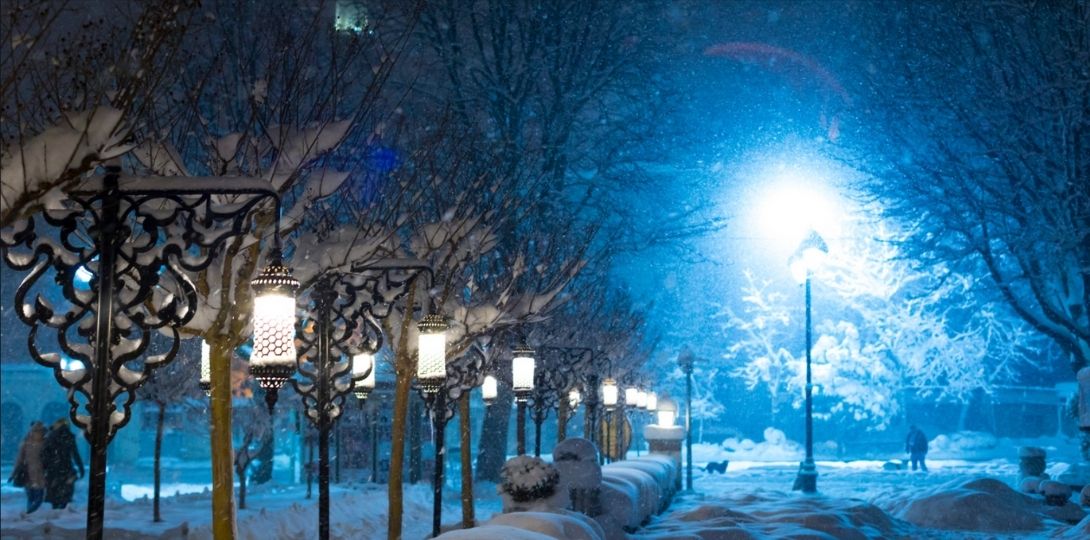
Spring and autumn are the most comfortable seasons for long walks in Istanbul. April brings tulips to parks such as Emirgan, while September and October usually offer mild days and warm sea air. Summer is hot and busy, so plan walks for early morning and evening. Winter is cooler and often rainy, but crowds are thinner.
During Ramadan, evenings come alive as families gather to break the fast. Be considerate about eating openly in more conservative areas during the day.
How does a sightseeing pass support a slower pace?
A sightseeing pass works best for slow travelers when you stop trying to "get your money's worth" by cramming in attractions. The Istanbul Tourist Pass covers more than 100 attractions, tours and transport options, so the real benefit is flexibility. You can drop into a museum on a rainy afternoon or skip one entirely without feeling you've wasted a ticket.
Choose two or three highlights you truly care about and let everything else be optional. Use the pass to remove friction, not to set the pace. If a café in Moda turns into a three-hour afternoon, that's the point.
Final thoughts
Istanbul doesn't need to be conquered in a weekend. Pick a neighborhood, take the ferry, order another tea, and let the city set its own rhythm. You'll leave with fewer photos of famous facades and far better memories of how Istanbul really feels. Ready to plan? Start on the Istanbul Tourist Pass homepage and build a trip with plenty of space to breathe.