

Few cities let you walk through so many eras in one afternoon. Here's each period in order, and where you can still see it today.
How did Istanbul begin as Byzantion?
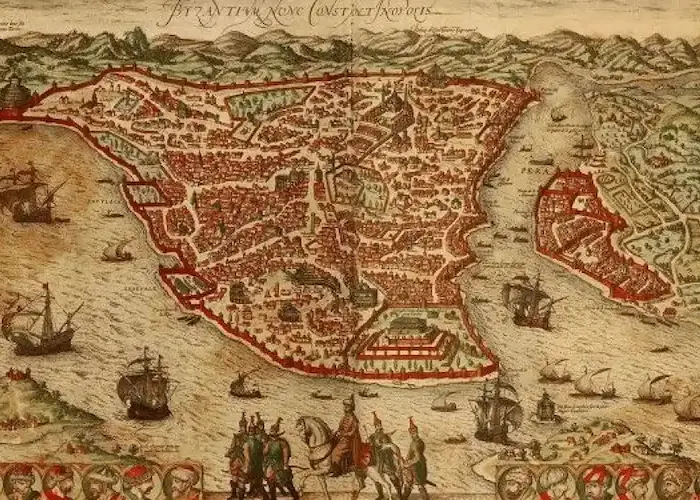
Istanbul started as Byzantion, a Greek colony founded in the 7th century BC by settlers from Megara. According to tradition, their leader was named Byzas, which gave the town its name. The site was chosen well: a hilly peninsula between the Golden Horn, the Bosphorus and the Sea of Marmara, controlling the sea route between the Black Sea and the Mediterranean.
Whoever held the city controlled trade between Europe and Asia, so it was fought over for centuries before eventually coming under Roman rule.
Where to see it today
Very little of the Greek town survives above ground. Its acropolis stood roughly where Topkapı Palace and Gülhane Park are today, on the tip of the historic peninsula. Standing at Sarayburnu, the point where the Bosphorus meets the Golden Horn, is the best way to understand why the first settlers picked this spot.
Why did Constantine make the city the capital of Rome?
In 330 AD, Emperor Constantine the Great refounded Byzantion as the new capital of the Roman Empire. The city soon became known as Constantinople, "the city of Constantine." He filled it with monuments, a great palace and a Hippodrome for chariot races.
Constantine was also the first Roman emperor to embrace Christianity, and his new capital grew into a major Christian center. In the early 5th century, under Theodosius II, the city gained the massive land walls that protected it for roughly a thousand years.
Where to see it today
- The Hippodrome (Sultanahmet Square): the outline of the racetrack survives as a long public square, with the Egyptian Obelisk, the Serpent Column and the Walled Obelisk still standing on it.
- The Column of Constantine (Çemberlitaş): a porphyry column raised for the city's dedication, now on a busy tram street.
- The Theodosian Walls: long stretches still run from the Sea of Marmara to the Golden Horn.
What was Byzantine Constantinople like?
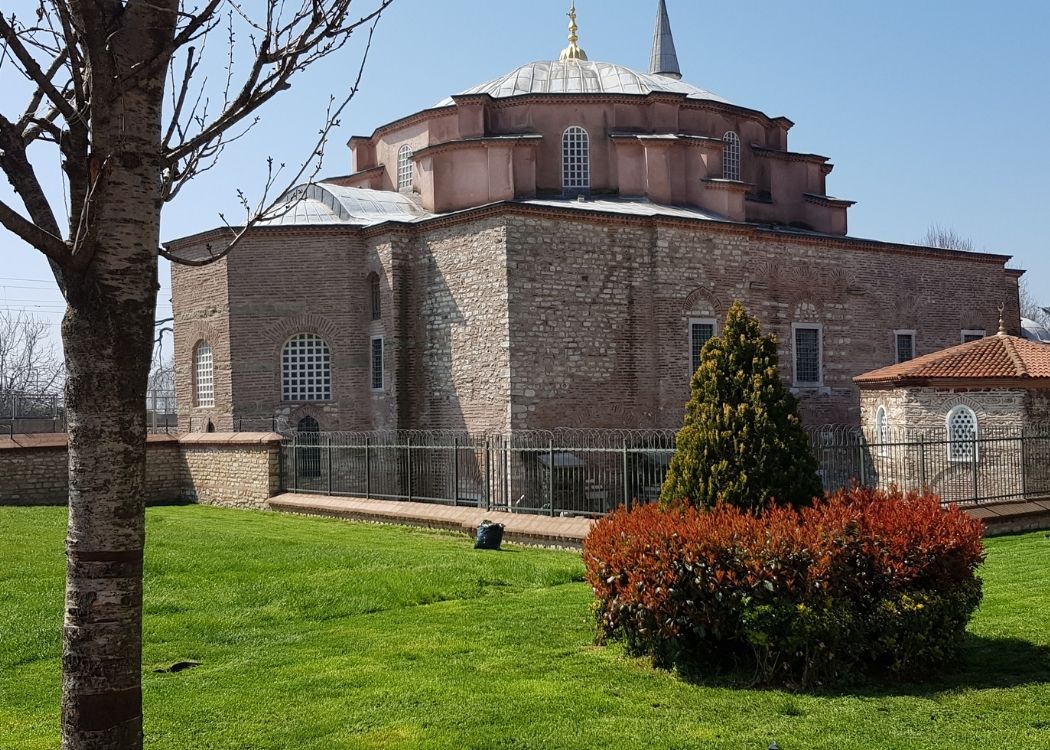
After the western half of the Roman Empire fell in the 5th century, Constantinople carried on as capital of the Eastern Roman Empire, which historians call the Byzantine Empire. For centuries it was one of the largest and richest cities in Europe. Its defining monument, Hagia Sophia, was completed in 537 under Emperor Justinian I.
Its vast dome influenced religious architecture for centuries. Justinian's reign also gave the city the Basilica Cistern, an underground reservoir supported by hundreds of columns. The Byzantine era was not always prosperous, though. In 1204, soldiers of the Fourth Crusade sacked the city, and it never fully regained its former power.
Where to see it today
Start with Hagia Sophia itself. It served as a church for over 900 years, then as a mosque, then as a museum from the 1930s, and it has been a mosque again since 2020. Visitors can still enter outside prayer times, dressed modestly. For the full story, read our history of Hagia Sophia. The Basilica Cistern is just across the square.
How did the Ottoman conquest of 1453 change Istanbul?
On 29 May 1453, Ottoman Sultan Mehmed II captured Constantinople after a siege of about seven weeks, ending the Byzantine Empire. He was only 21 years old and became known as "the Conqueror." He made the city his capital, repopulated it, and began transforming it into the center of an empire that would last until the early 20th century.
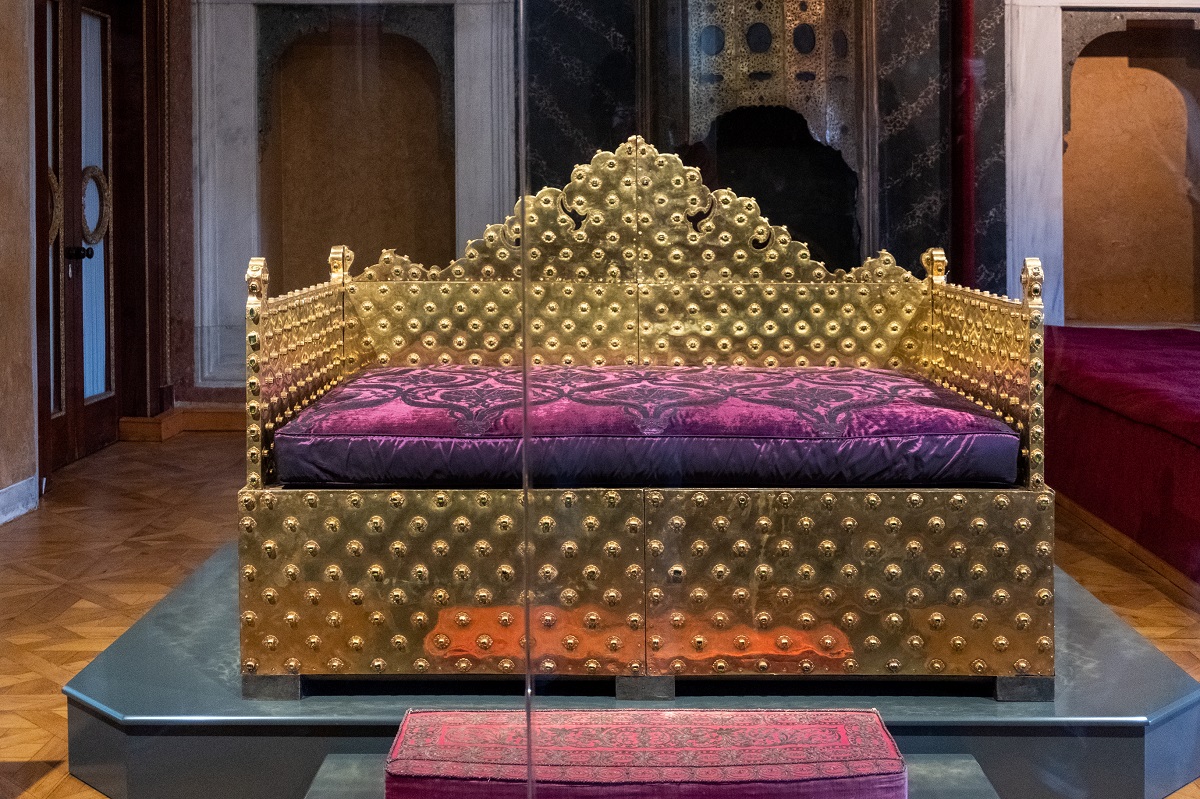
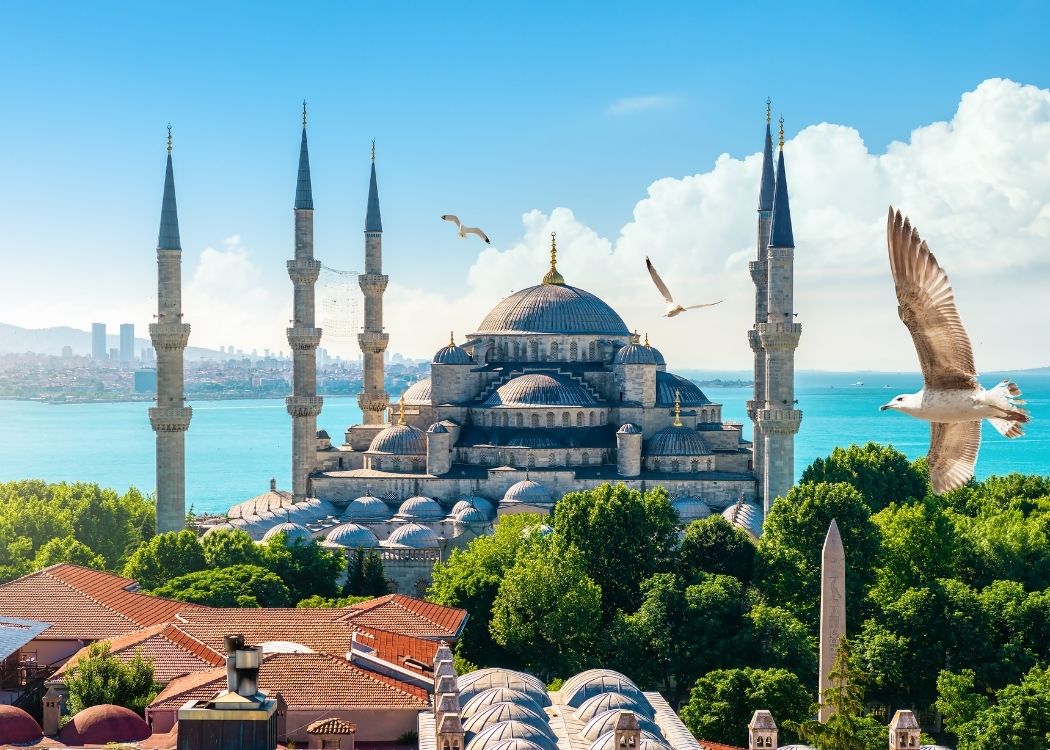
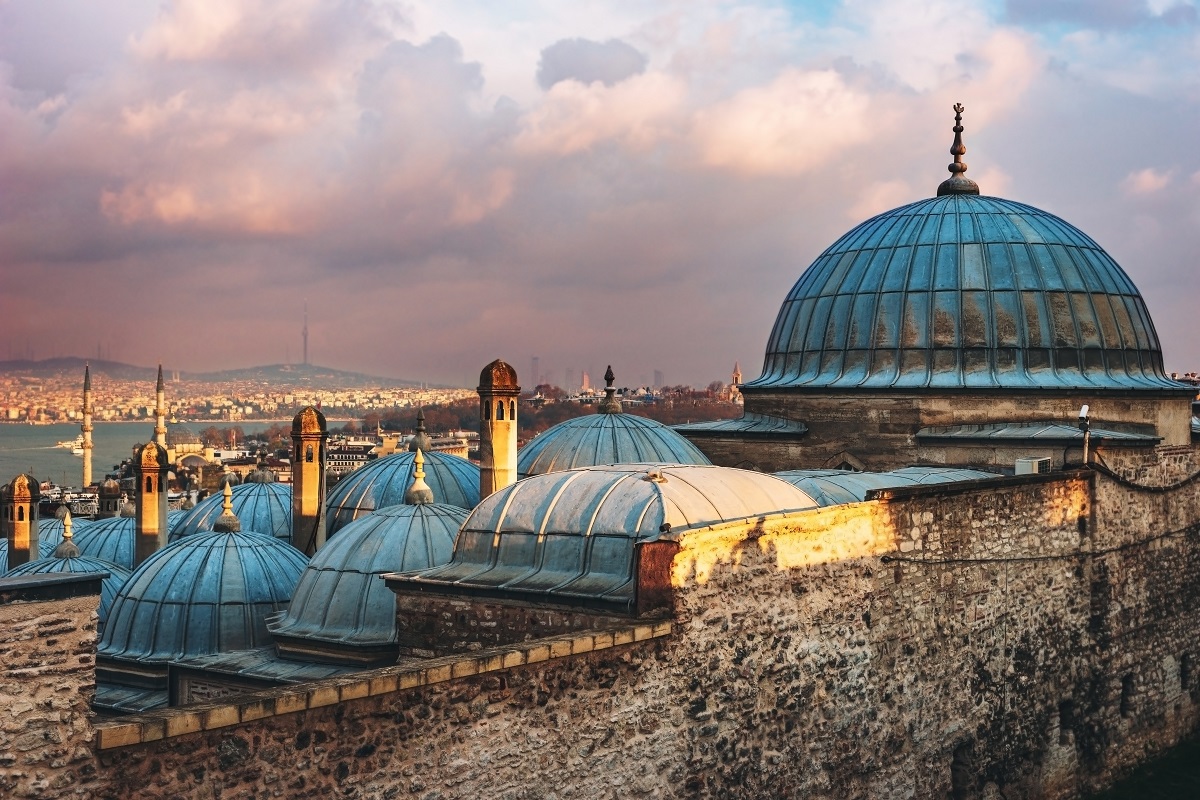
Mehmed II converted Hagia Sophia into a mosque and began building Topkapı Palace, which served as the main residence of the sultans for roughly four centuries. In the 16th century, under Süleyman the Magnificent, the architect Mimar Sinan designed the Süleymaniye Mosque, completed in 1557. The Blue Mosque, officially the Sultan Ahmed Mosque, followed in the early 17th century.
Where to see it today
- Topkapı Palace: courtyards, the Harem, the Treasury and sacred relics, with views over the Bosphorus.
- Süleymaniye Mosque: Sinan's masterpiece on the Third Hill, with one of the best panoramas over the Golden Horn.
- The Grand Bazaar and Spice Bazaar: historic Ottoman markets that still trade daily.
- Rumeli Fortress: built by Mehmed II on the Bosphorus in 1452, just before the siege.
Why did the sultans move to Dolmabahçe Palace?
In the 19th century, Ottoman sultans moved their main residence from Topkapı to Dolmabahçe Palace, completed in 1856 under Sultan Abdülmecid I. The new palace on the Bosphorus shore reflected the empire's reform era and its interest in European styles, mixing Baroque, Rococo and Neoclassical elements with Ottoman traditions.
This was a period of modernization known as the Tanzimat, with new laws, schools and institutions. After defeat in the First World War, the Ottoman state came to an end in 1922. If you'd like the longer story, our history of the Ottoman Empire covers it in depth.
Where to see it today
A visit to Dolmabahçe Palace shows the empire's final, European-facing chapter, from its grand ceremonial hall to its crystal staircase. It also holds a special place in modern Turkish history: Mustafa Kemal Atatürk, founder of the Republic, died there in 1938.
What happened to Istanbul after 1923?
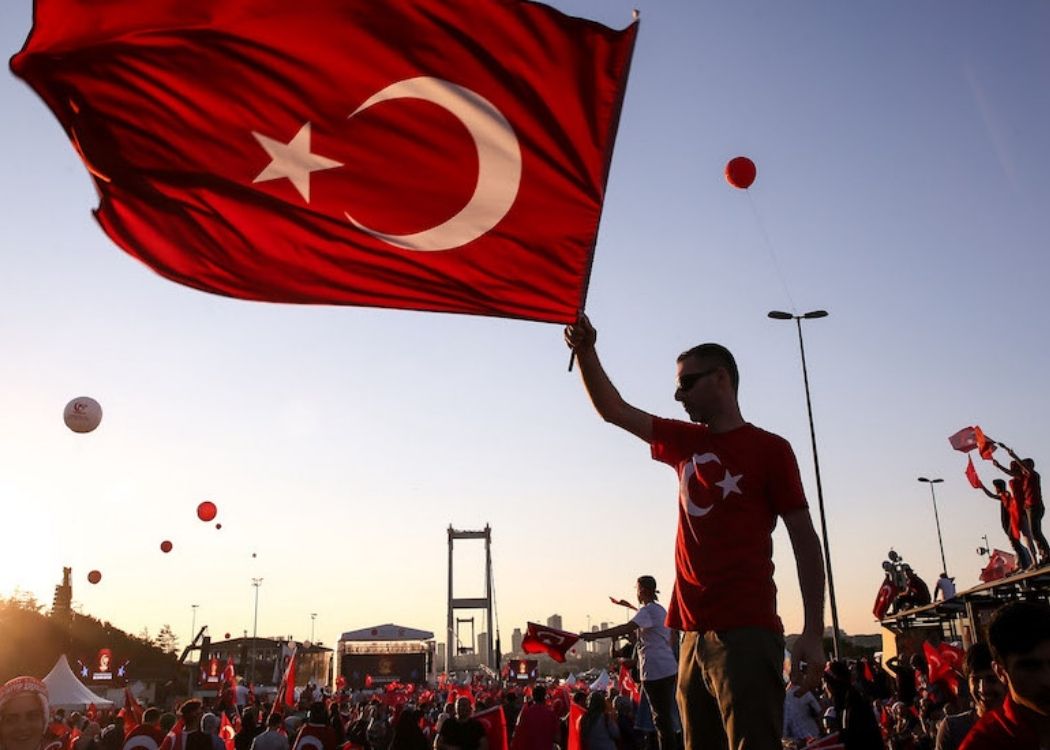
The Republic of Türkiye was proclaimed on 29 October 1923, with Mustafa Kemal Atatürk as its first president. Shortly before, Ankara had been chosen as the new capital, ending nearly 1,600 years as an imperial capital. The name "Istanbul," long in everyday use, became the official international name over the following years.
Losing capital status did not slow the city down for long. Istanbul remained Türkiye's largest city and its economic and cultural heart. In 1985, the Historic Areas of Istanbul were added to the UNESCO World Heritage List.
How can you see all of Istanbul's history on one trip?
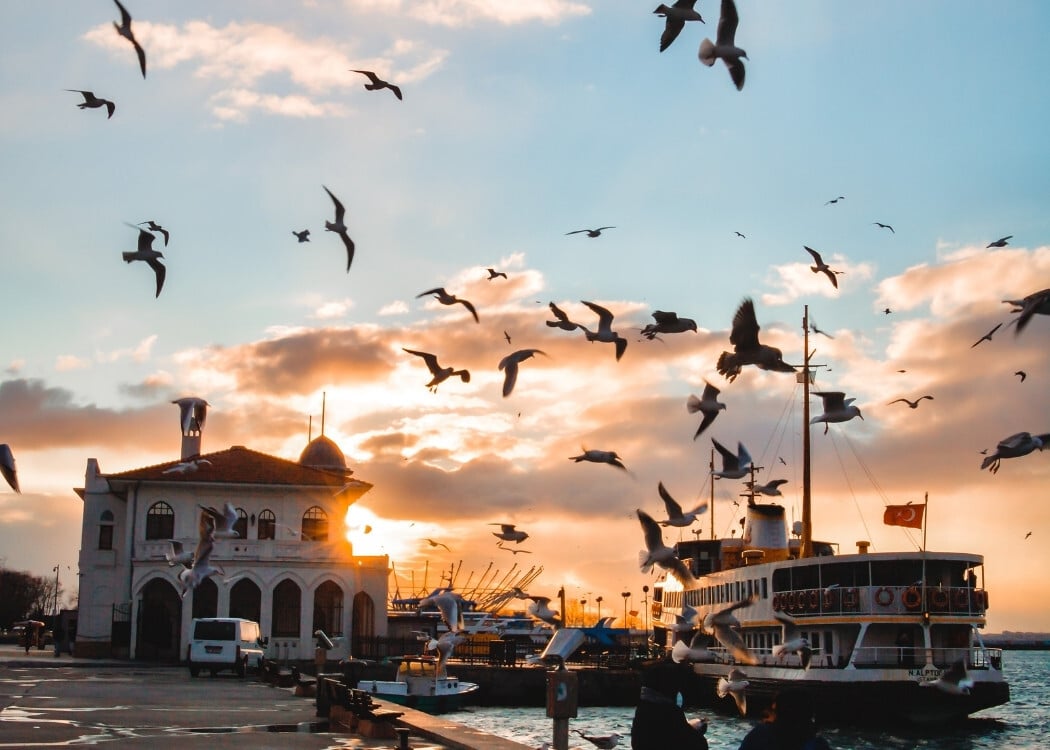
The simplest approach is to follow the timeline geographically. Spend one day on the historic peninsula for the Greek, Roman, Byzantine and early Ottoman layers. Spend another along the Bosphorus for Rumeli Fortress and Dolmabahçe Palace, then finish in modern districts such as Karaköy or Kadıköy to see the living city.
Many of these sites are close together, so a few well-planned days cover a remarkable span of time. The Istanbul Tourist Pass groups many of the city's major attractions, tours and transport options in one digital pass, which makes it easier to move between eras at your own pace. Istanbul's history is best understood slowly.