Sorban állás nélkül léphet be a Beykoz Glass and Crystal Museumba.
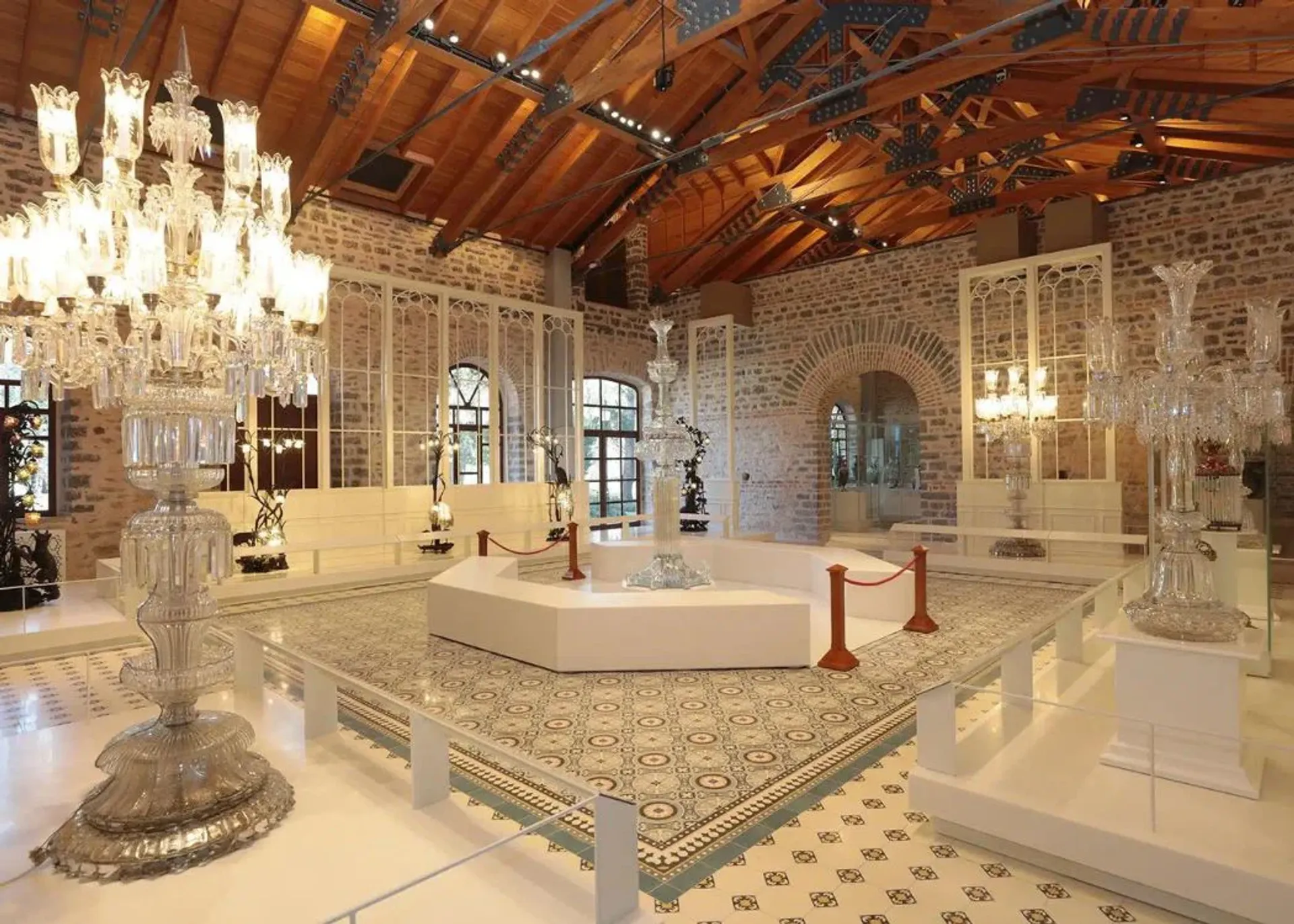
Fedezze fel az 1 480 üveg- és kristályművet, amelyeket 12 tematikus egységben állítottak ki.
Ismerje meg a török üvegművészet fejlődését különböző korszakokon és stílusokon keresztül.
Csodálja meg a ritka, oszmán paloták számára készült európai darabokat.
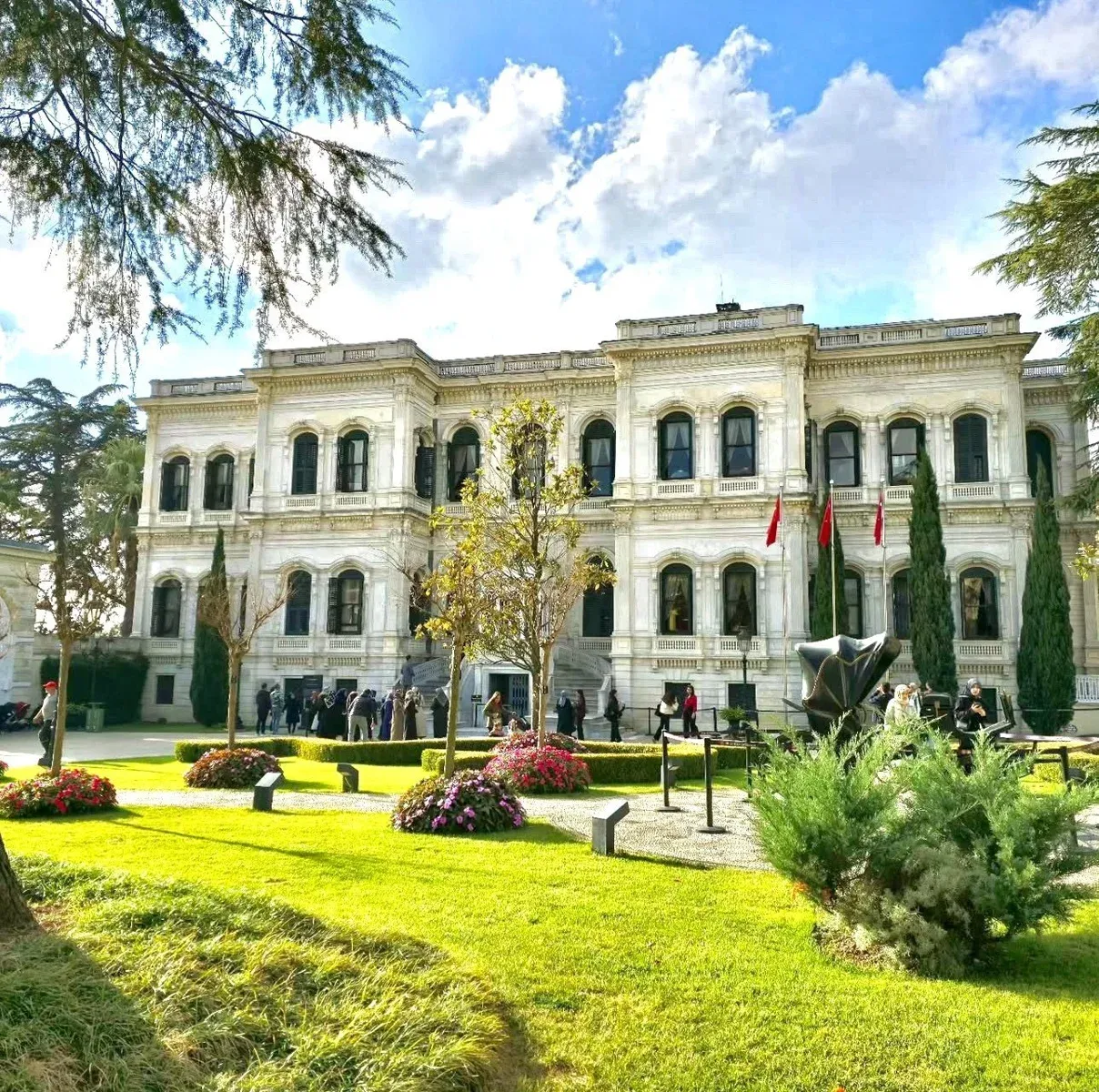
Látogasson el egy gyönyörűen felújított, 19. századi történelmi épületbe.
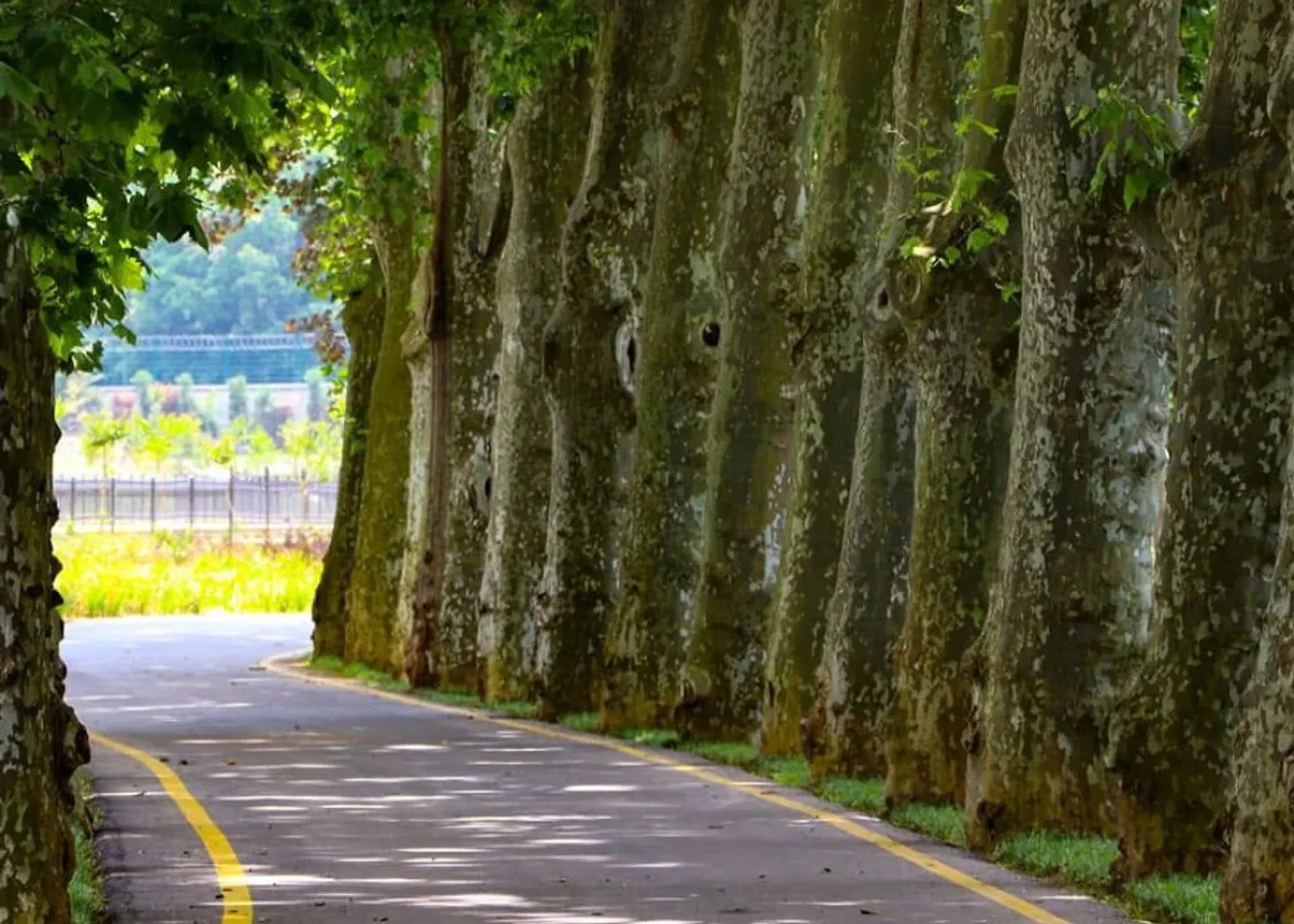
Sétáljon végig a múzeum kiterjedt kertjén, ahol 117 különböző fafaj található.
Beykoz Glass and Crystal Museum belépőjegy
Fedezze fel az üvegművesség művészetét és örökségét a Beykoz Glass and Crystal Museum-ban, amely egy gyönyörűen felújított, 19. századi épületben található, buja történelmi kertek ölelésében. Fedezze fel a 12 tematikus részleget, amelyekben 1 480 figyelemre méltó darab látható a hagyományos török üvegművességtől az oszmán paloták számára készült elegáns európai alkotásokig. A gyűjteményen túl a múzeum kiterjedt kertjei, ritka növényei és 117 fafaja az élmény különleges ötvözetét kínálják: művészet, történelem, építészet és természet.
A Beykoz Glass and Crystal Museum megközelítése némi előzetes tervezést igényel, mivel a közelben nincs metró- vagy villamosmegálló. A múzeum Isztambul ázsiai oldalán található.
Busz: A legkényelmesebb tömegközlekedési kapcsolat a Kavacık Aktarma átszállóponton keresztül érhető el. Innen szálljon fel a 15TA, 136, 136T vagy 136Z buszra, és szálljon le a Cam ve Billur Müzesi megállónál. Felszállás előtt ellenőrizze a buszon feltüntetett úti célt és az aktuális menetrendet, mivel az útvonalak és a járatkövetési rend változhat.
Komphajó: Ha az európai oldalról érkezik, a Sarıyer–Beykoz ferry-vel utazzon a Sarıyer Pier-ről. Beykoz Pier-re érkezés után taxival vagy helyi tömegközlekedéssel folytassa útját a múzeumhoz. Utazás előtt ellenőrizze az aktuális komphajó-menetrendet, különösen vasárnapokon és munkaszüneti napokon.
Taxi: Kérje a sofőrt, hogy vigye Önt ide: Beykoz Cam ve Billur Müzesi, Mehmet Yavuz Caddesi No:115. Javasoljuk, hogy mutassa meg a múzeum helyét a navigációs alkalmazásában, mivel Beykozban több National Palaces látnivaló is található.
Autóval: Írja be a Beykoz Glass and Crystal Museum nevet a navigációs alkalmazásába, majd kövesse az útvonalat a Mehmet Yavuz Caddesi felé. Hétvégéken és csúcsidőben számoljon hosszabb menetidővel, amikor a forgalom Kavacık és Beykoz környékén erősebb lehet.
Gyalog: A múzeum nem érhető el kényelmes gyalogtávolságra Isztambul központi turistaövezeteiből. A látogatóknak célszerű az út utolsó szakaszát busszal, taxival vagy saját járművel megtenniük.
A Beykoz Glass and Crystal Museum a üvegkészítés történetén, mesterségbeli tudásán és művészi fejlődésén keresztül kínál utazást a látogatóknak Türkiye-ben. A Beykozban, az oszmán üveggyártással szorosan összefüggő területen található múzeum nevét a Beykoz Imperial Glass and Crystal Factory-ról kapta, amely az oszmán kor egyik legfontosabb üveggyártó központja volt.
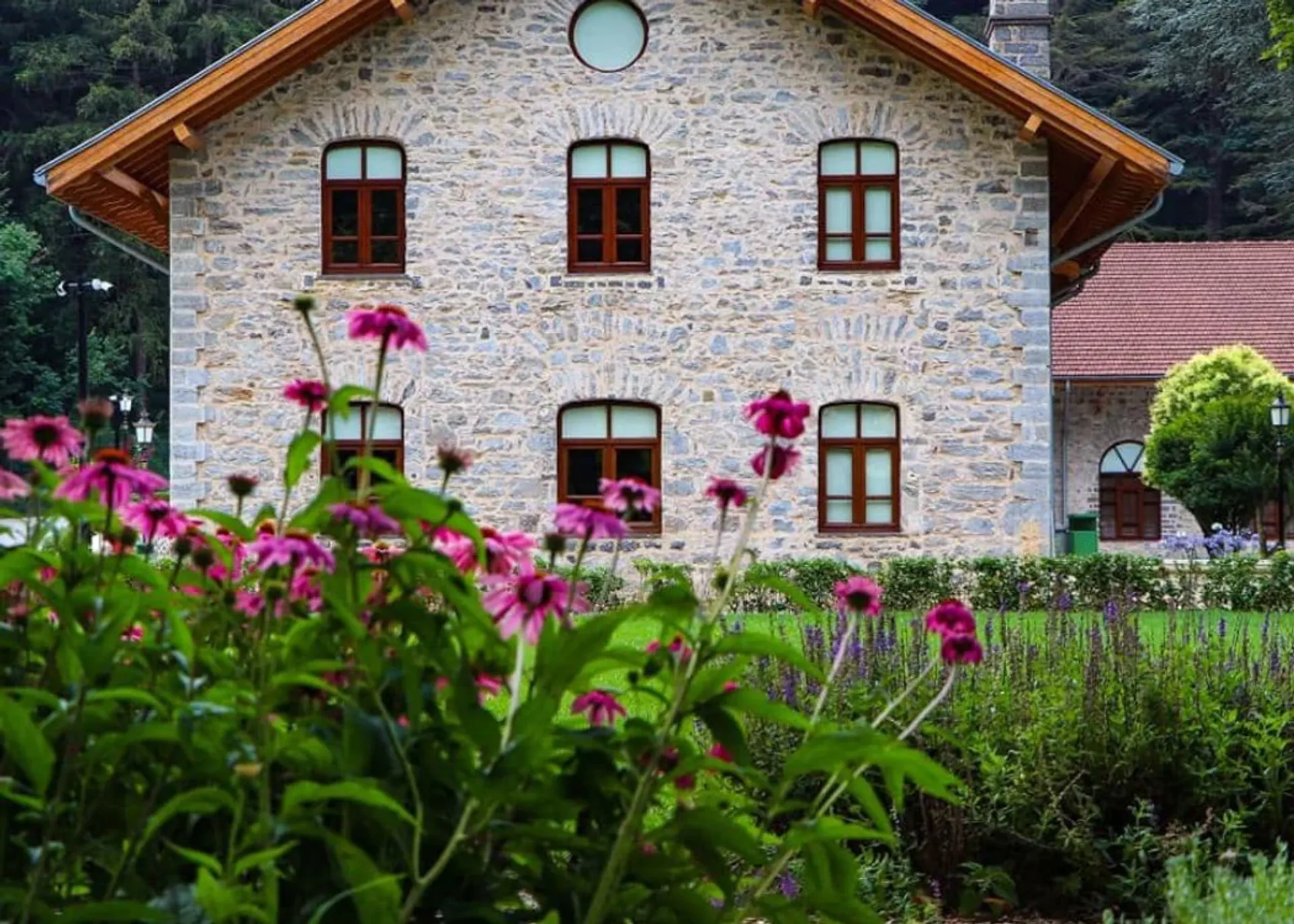
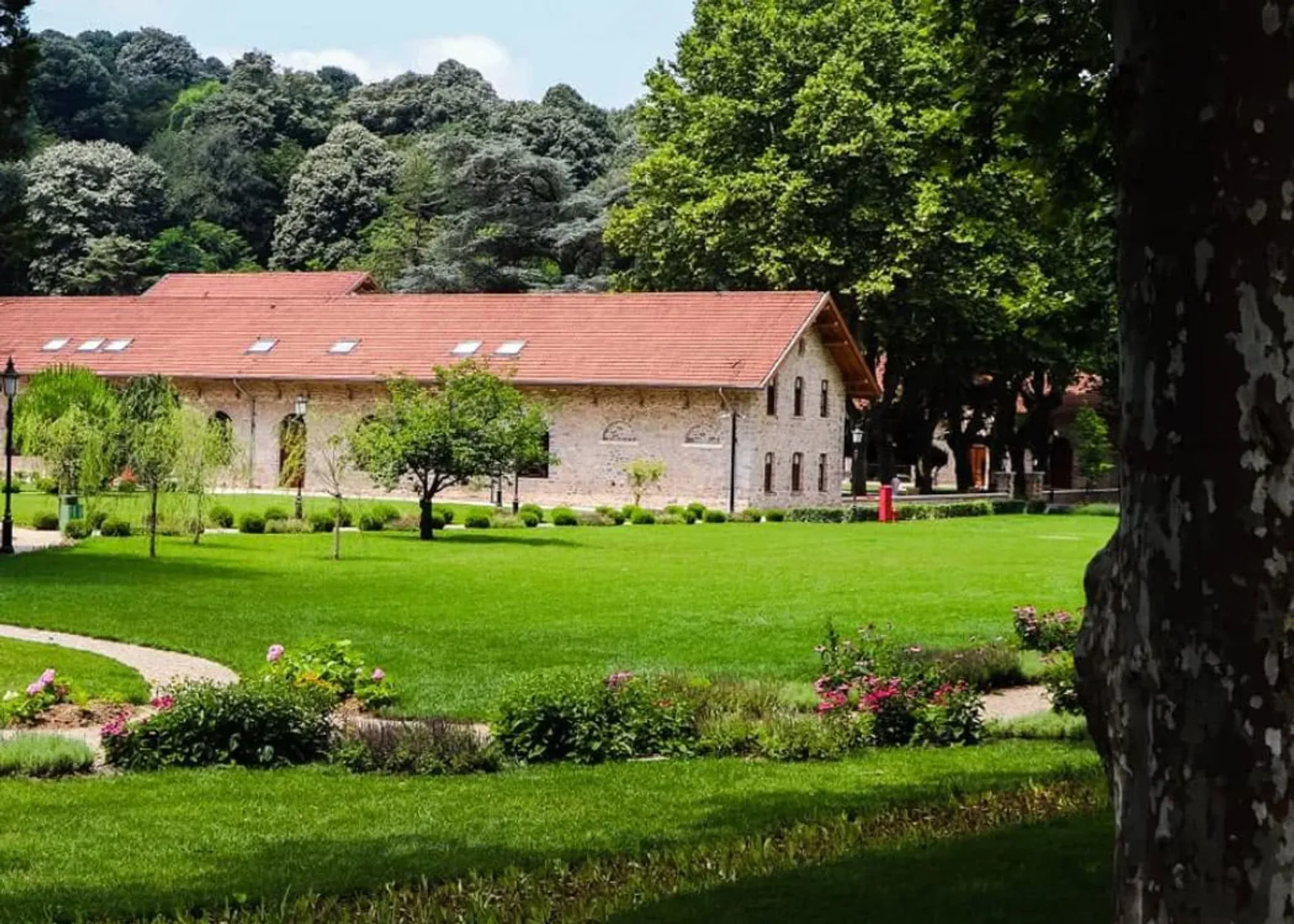
A múzeum egy figyelemre méltó, 19. századi kőépületben kapott helyet, amely eredetileg Abraham Pasha vidéki birtokának részeként épült. Abraham Pasha Ismail Pasha, Egyiptom kedívjének udvarmestereként szolgált, majd Abdülaziz szultán vezíri rangra emelte. A 19. század során a birtokot pavilonokkal, medencékkel, madárházakkal, színházzal, istállókkal és gondozott kertekkel bővítette.
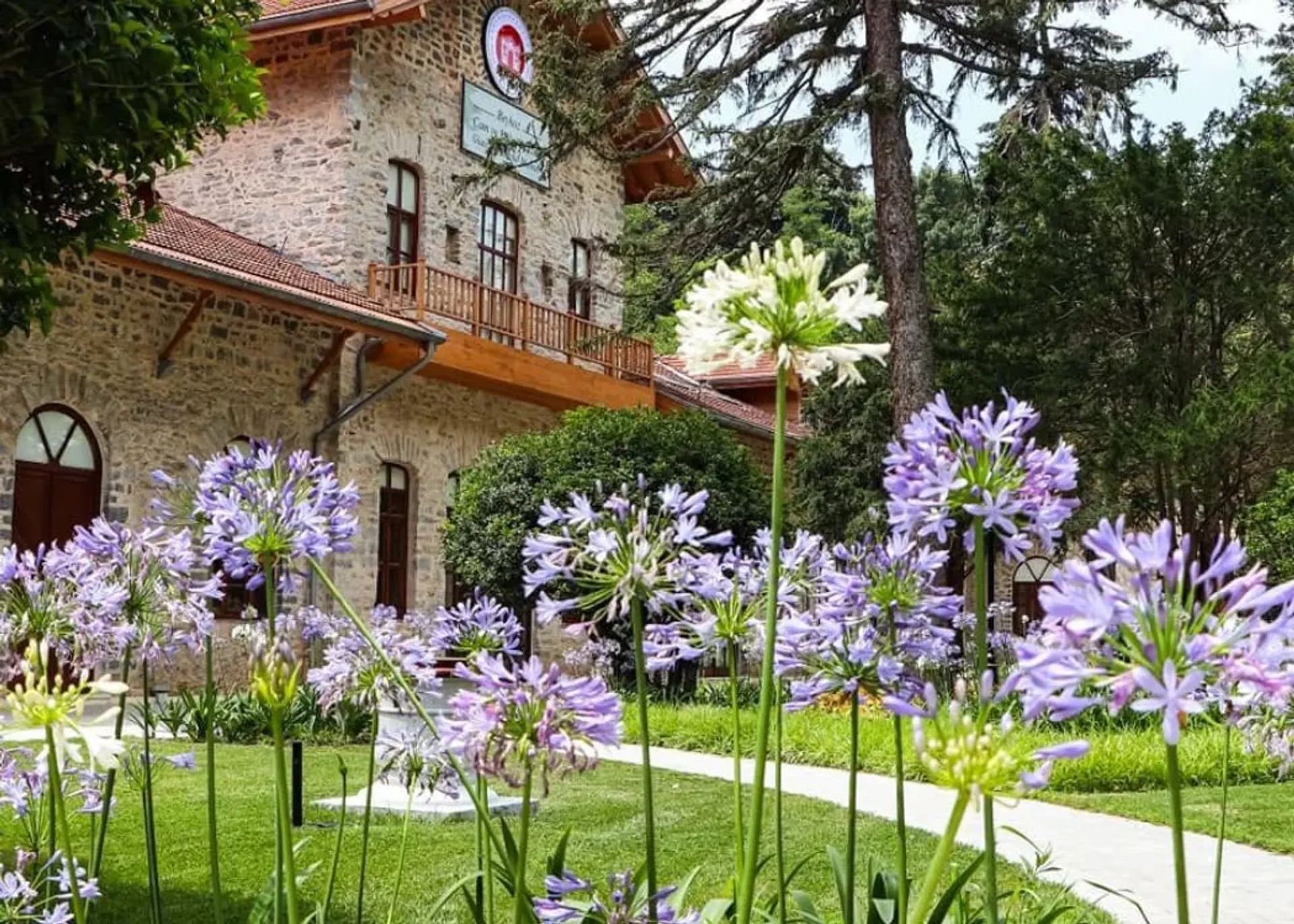
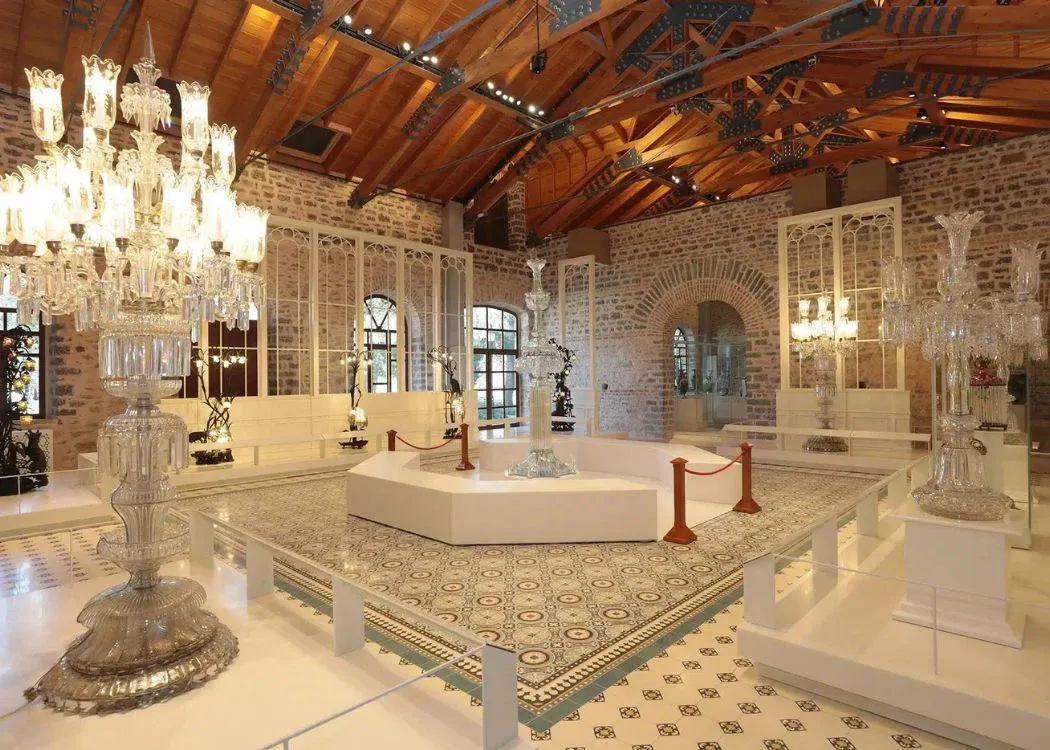
A múzeumként használt épület eredetileg a birtok egyik istállóépülete volt. A National Palaces Administration gondos helyreállítást végzett rajta, és történelmi karakterének megőrzésével modern múzeummá alakította. Jellegzetes U alakú alaprajza, kő homlokzata és tágas belső tere a 19. század építészeti stílusát tükrözi, és impozáns környezetet teremt a gyűjtemény számára.
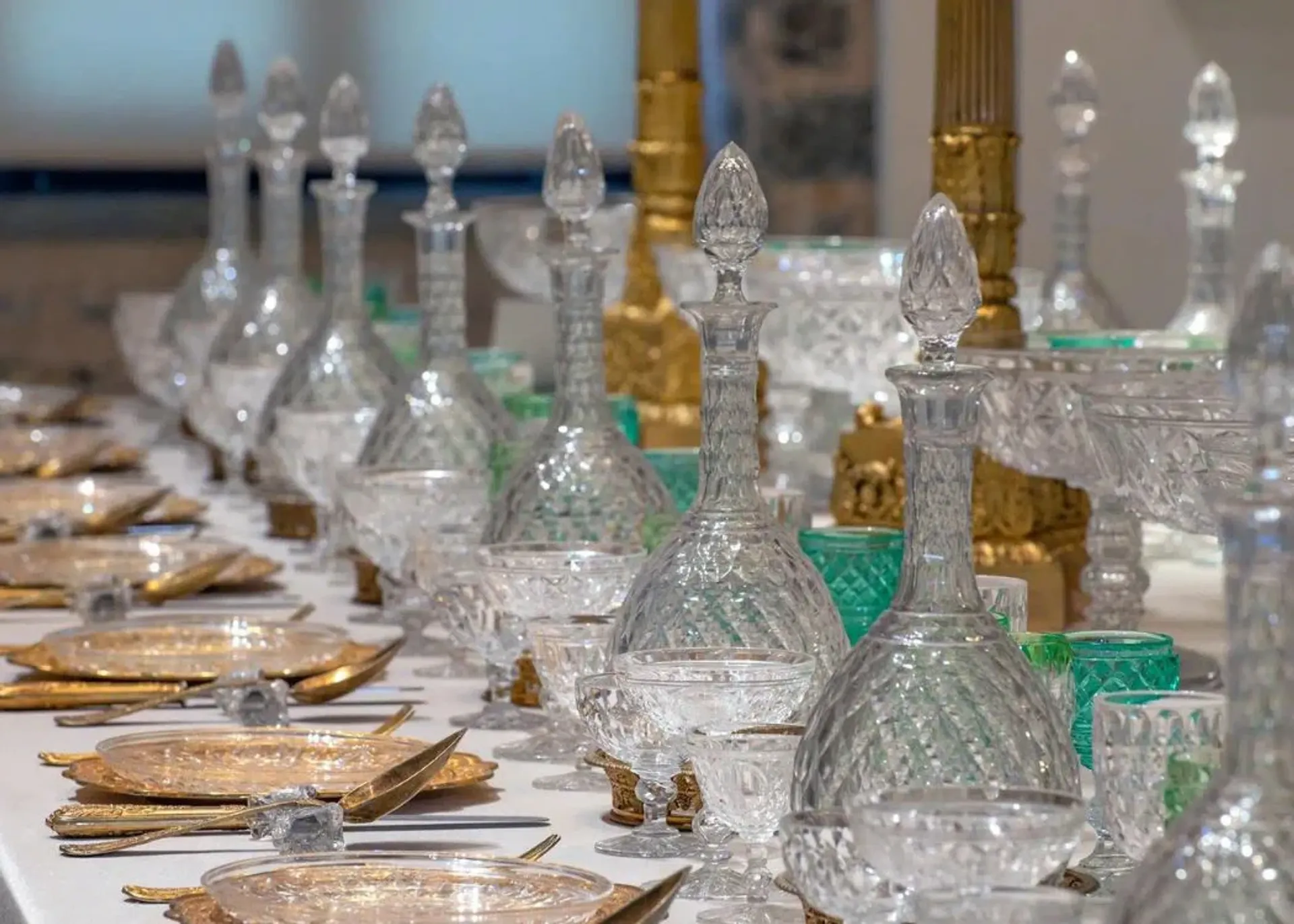
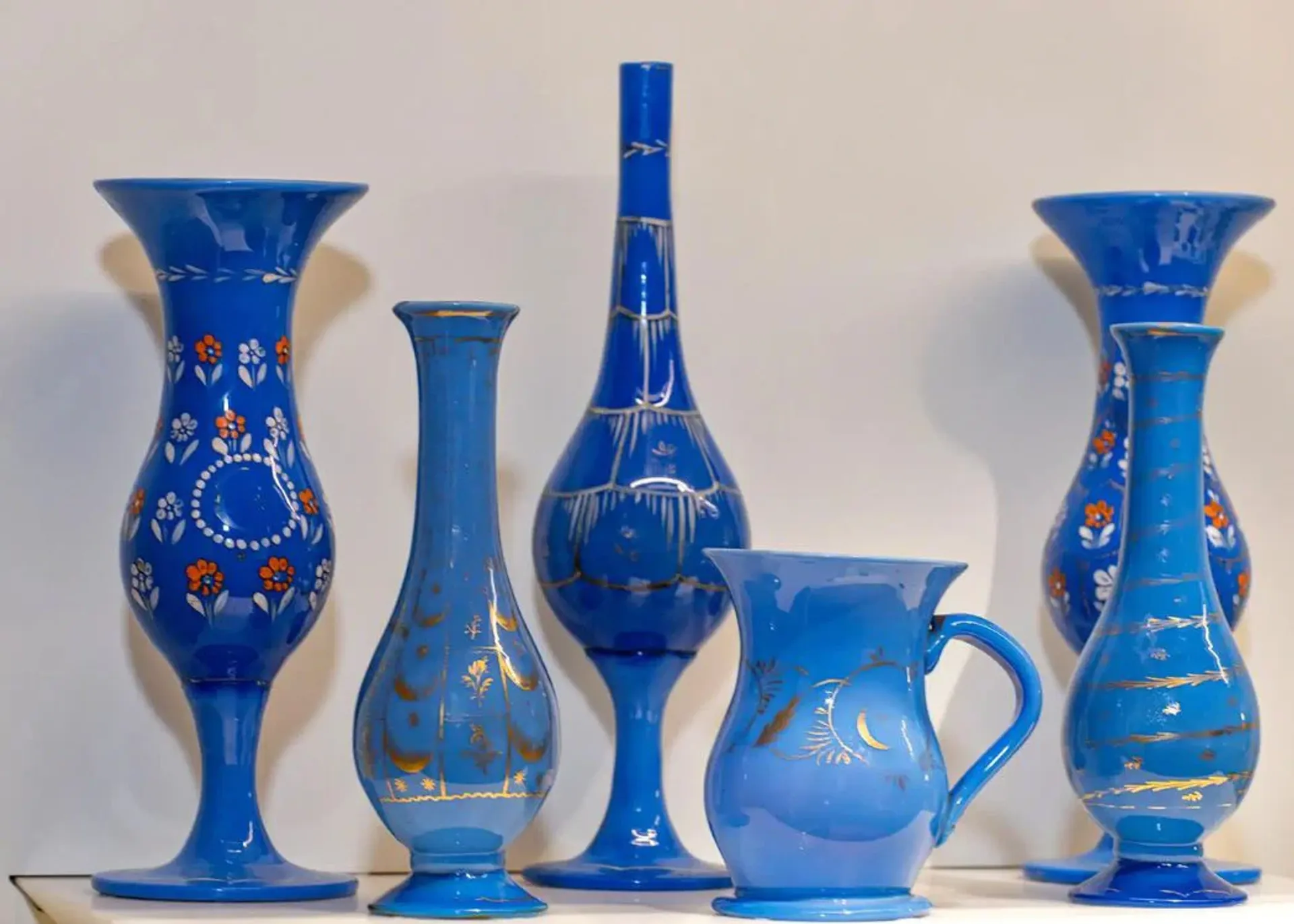
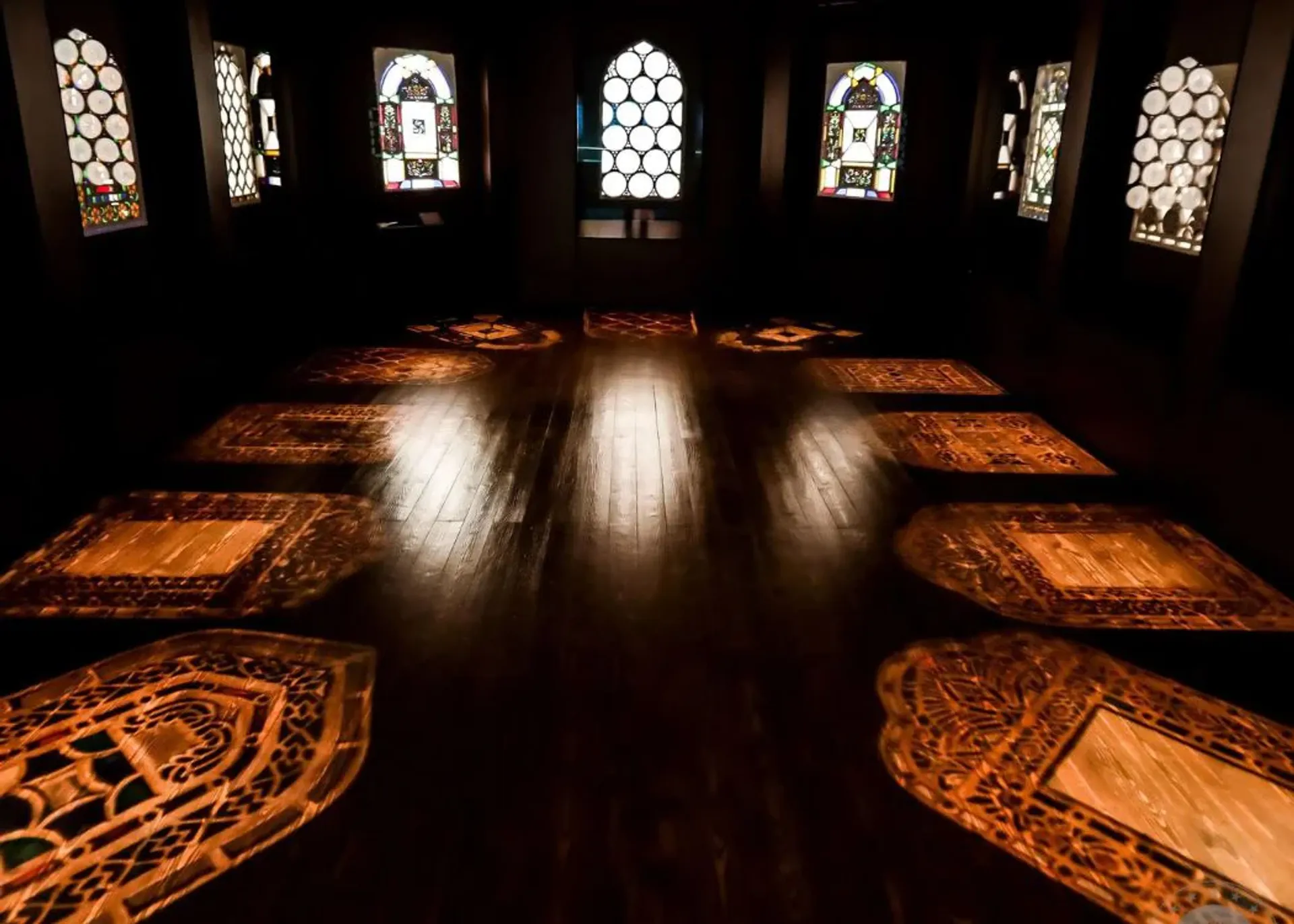
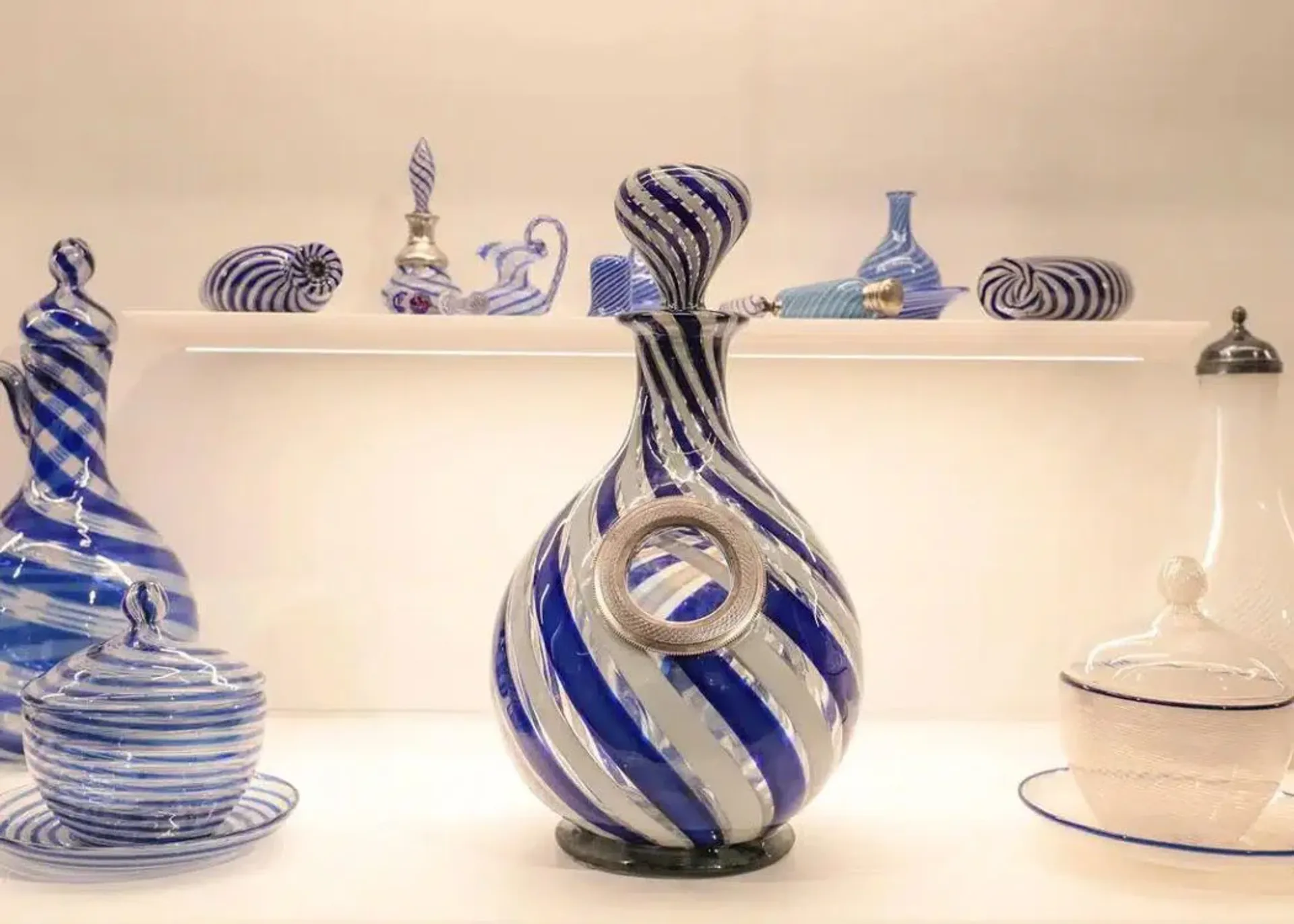
A múzeum belsejében a látogatók 1 480 műalkotást fedezhetnek fel 12 tematikus egységben. A kiállítások a török üvegművészet fejlődését követik nyomon, és különböző korszakokból, illetve gyártási hagyományokból származó kiemelkedő példákat mutatnak be. A gyűjtemény dísztárgyakat, finoman kidolgozott üvegárukat és olyan darabokat is tartalmaz, amelyek az üveggyártás technikai és művészi fejlődését szemléltetik az idők során.
A Türkiyében készült művek mellett a múzeum oszmán paloták számára készült kivételes európai üveg- és kristálytárgyakat is bemutat. Ezek az alkotások az oszmán udvar és az európai mesterségbeli tudás közötti szoros művészeti és kulturális kapcsolatokat tárják fel. A látogatók a stílusok, technikák, formák és díszítő részletek széles skáláját figyelhetik meg, betekintést nyerve abba, miként tervezték és használták az üvegtárgyakat a palotai életben.
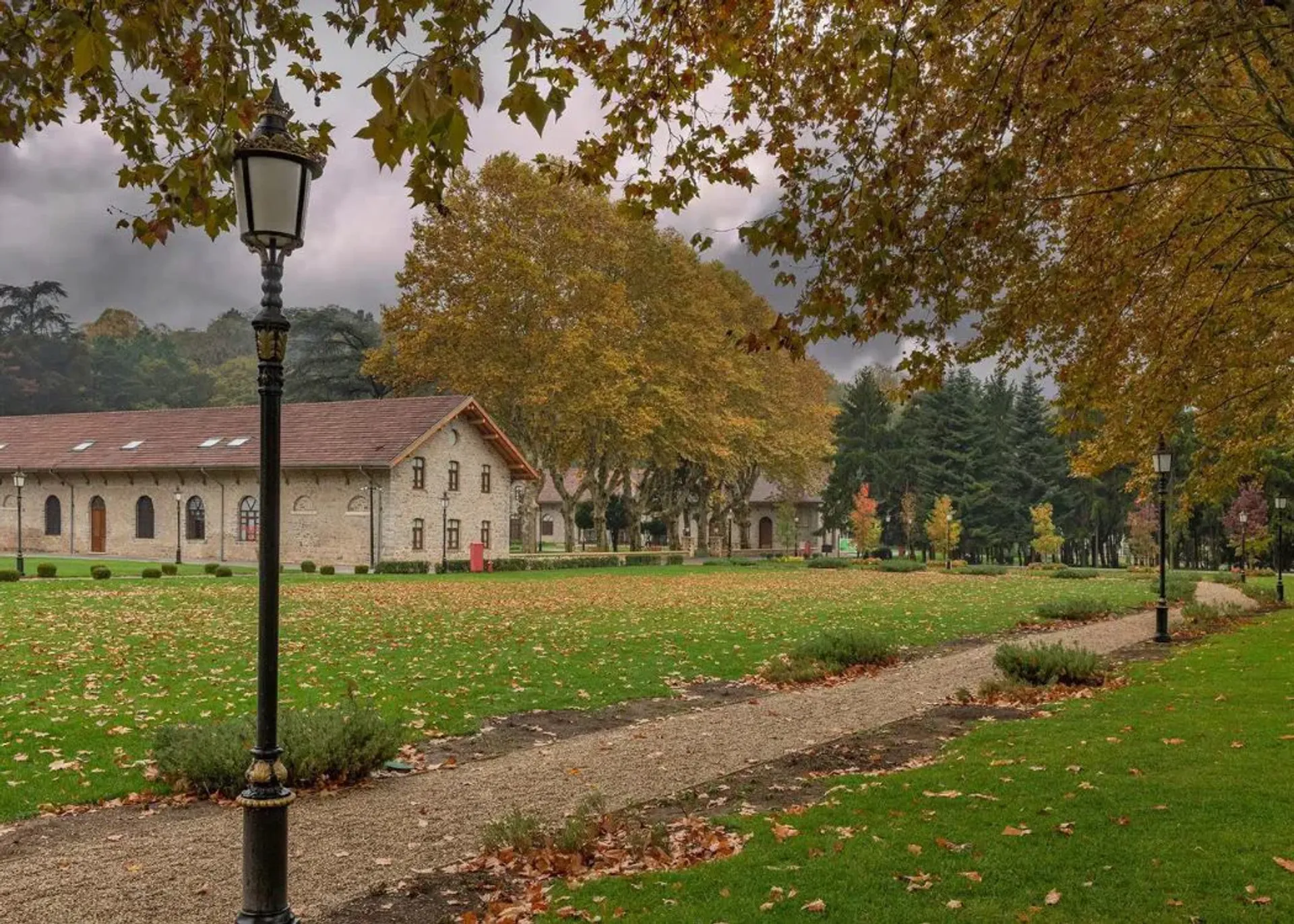
A látogatás nem ér véget a beltéri galériáknál. A Beykoz Glass and Crystal Museum körülbelül 360 dekárnyi erdős területen helyezkedik el, így a természeti környezet a látogatás fontos részét képezi. A birtok történelmi kertjét Abraham Pasha gondosan alakíttatta ki, és olyan növényeket, fákat hozatott ide, amelyek akkoriban nem voltak gyakoriak az Oszmán Birodalomban.
Ma a kertben 117 különböző fafaj, valamint számos ritka és egzotikus növény található. A gazdag botanikai gyűjteménynek köszönhetően a látogatók a múzeum bejárása után nyugodt sétát tehetnek a zöld környezetben. A növényvilág sokszínűsége és történelmi jellege miatt a múzeum területe botanikai múzeumként is ismert.
A Beykoz Glass and Crystal Museum meglátogatása tehát többet kínál egy hagyományos kiállítási élménynél. A vendégek felfedezhetik a török üvegművészet fejlődését, megcsodálhatják az oszmán paloták számára készült darabokat, bejárhatnak egy felújított történelmi épületet, és időt tölthetnek Beykoz egyik legkülönlegesebb történelmi kertjében. A művészet, az oszmán örökség, az építészet és a természet ötvözete gazdagító úti céllá teszi a múzeumot az Isztambul kulturális története iránt érdeklődő utazók számára.
Fényképezés és videófelvétel nem megengedett a múzeum kiállítótermeiben.
A sorban állás nélküli belépés csak a jegypénztárra vonatkozik. Minden látogatónak kötelező biztonsági ellenőrzésen kell átesnie a belépés előtt.
Jegye a múzeumba való belépést tartalmazza. A parkolás, az ételek és italok, az ajándéktárgyak vásárlása, valamint az üvegfoglalkozáson való részvétel nincs benne az árban.
A helyszíni parkolás külön díjköteles, amely a tartózkodás időtartamától függően változhat.
A beltéri kiállítás viszonylag kompakt, míg a múzeum kertjei és külső területei kiterjedtek. Kérjük, számoljon több idővel, ha a környéket is szeretné felfedezni.
A kávézó, a játszótér és a kert területei hétvégéken és a csúcsidőszakokban forgalmasabbak lehetnek.
Nyulak, pávák és más állatok szabadon mozognak a területen; az állatok megfigyelése nem garantálható.
A látogatóktól kérhetik, hogy a kiállítótérbe való belépés előtt viseljenek védő cipővédőt.
A gyerekek üvegműhelye külön fizetendő program, és nem minden időpontban érhető el.
A Beykoz Glass and Crystal Museum egy Nemzeti Paloták múzeum, amely a török üvegművészet történetének és fejlődésének szenteli magát. Gyűjteményében európai üveg- és kristálytárgyak is szerepelnek, amelyeket az oszmán paloták számára készítettek.
Nem. A múzeum nevét a Beykoz Imperial Glass and Crystal Factory-ről kapta, amely egykor a környéken működött, maga a múzeum azonban Abraham pasa 19. századi birtokának egy felújított istállóépületében kapott helyet.
A látogatók 12 tematikus egységben elrendezett 1480 üveg- és kristálytárgyat fedezhetnek fel. A kiállítások a török üvegművesség fejlődését mutatják be, és olyan alkotásokat is tartalmaznak, amelyeket Európában készítettek az oszmán paloták számára.
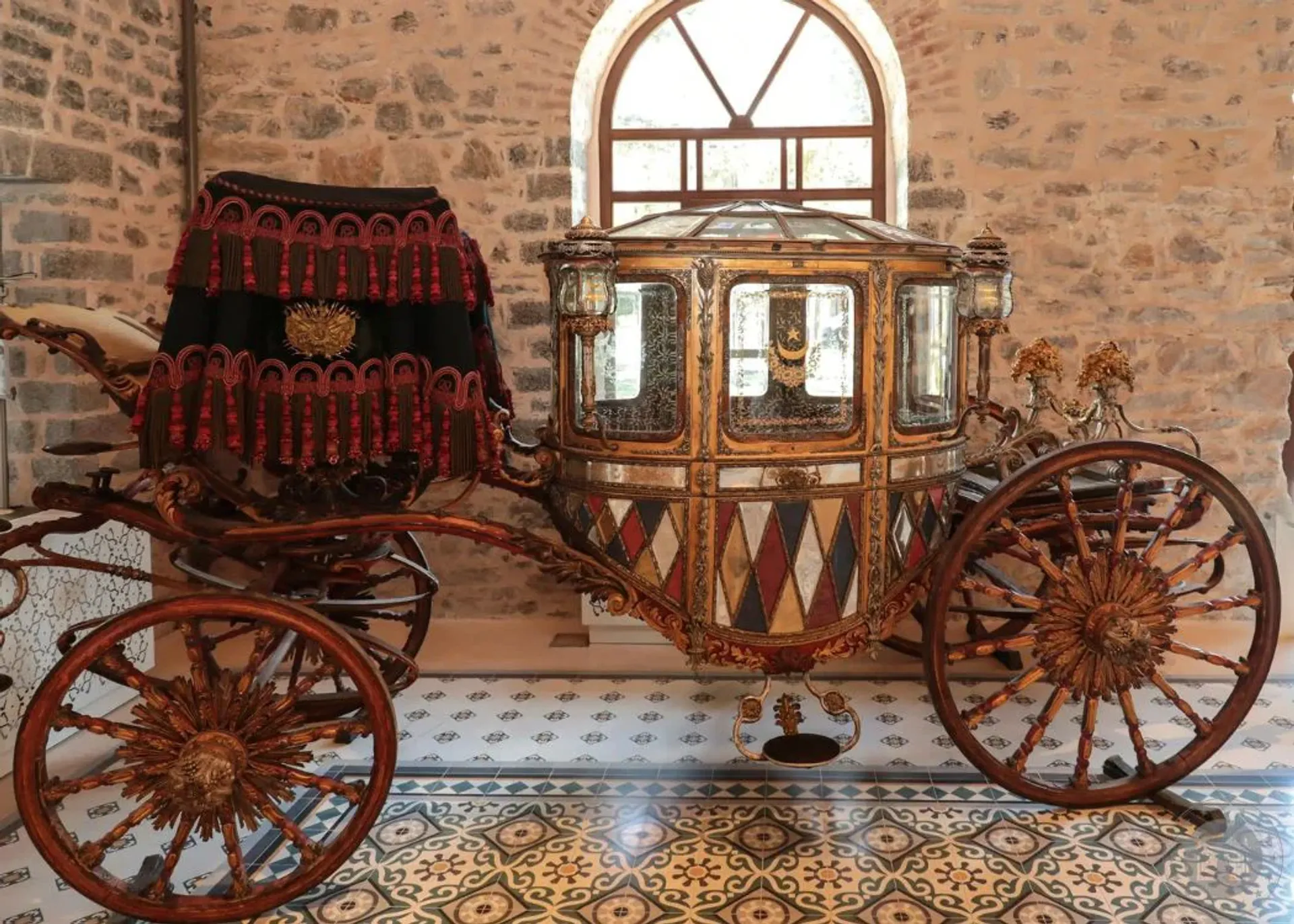
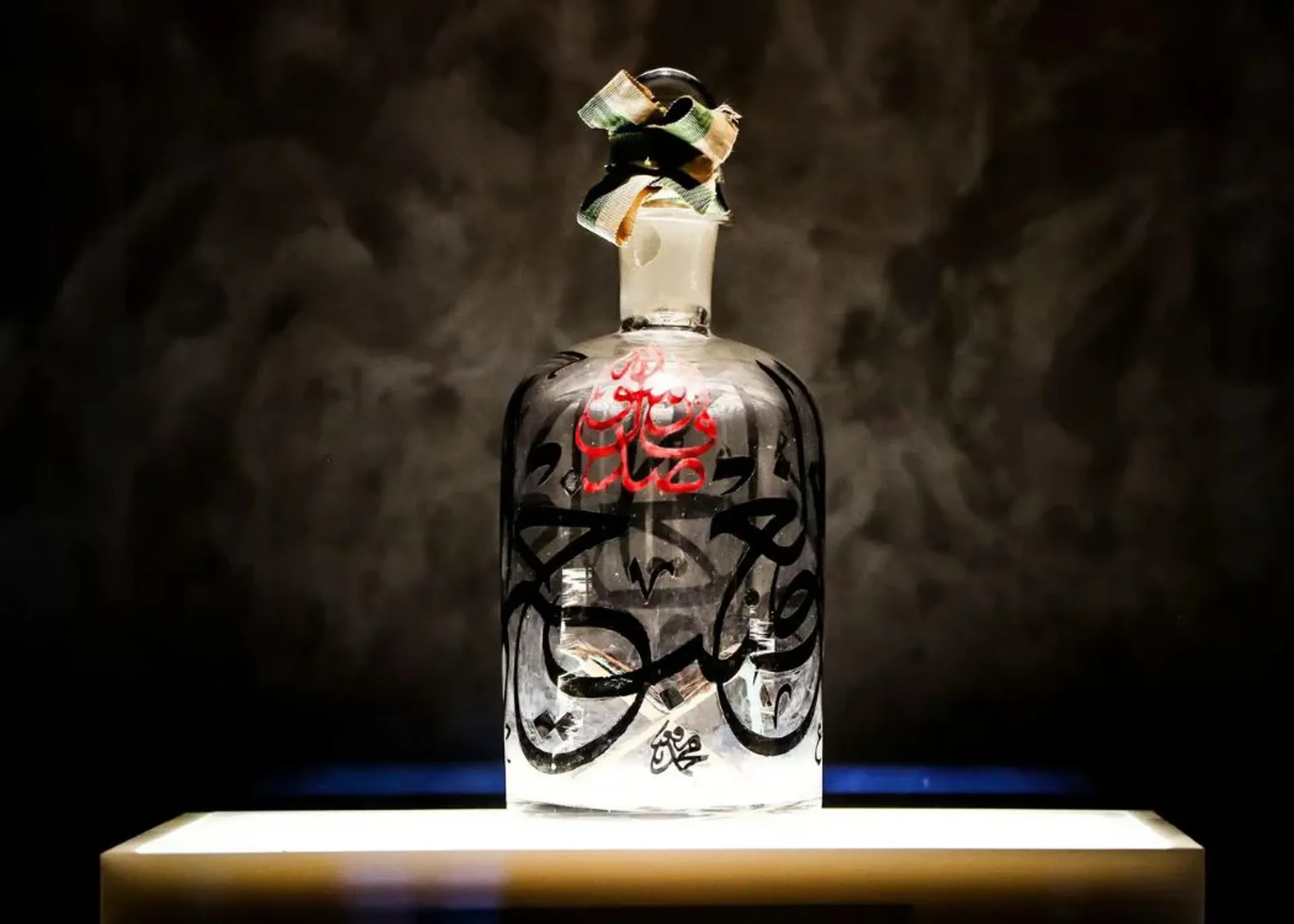
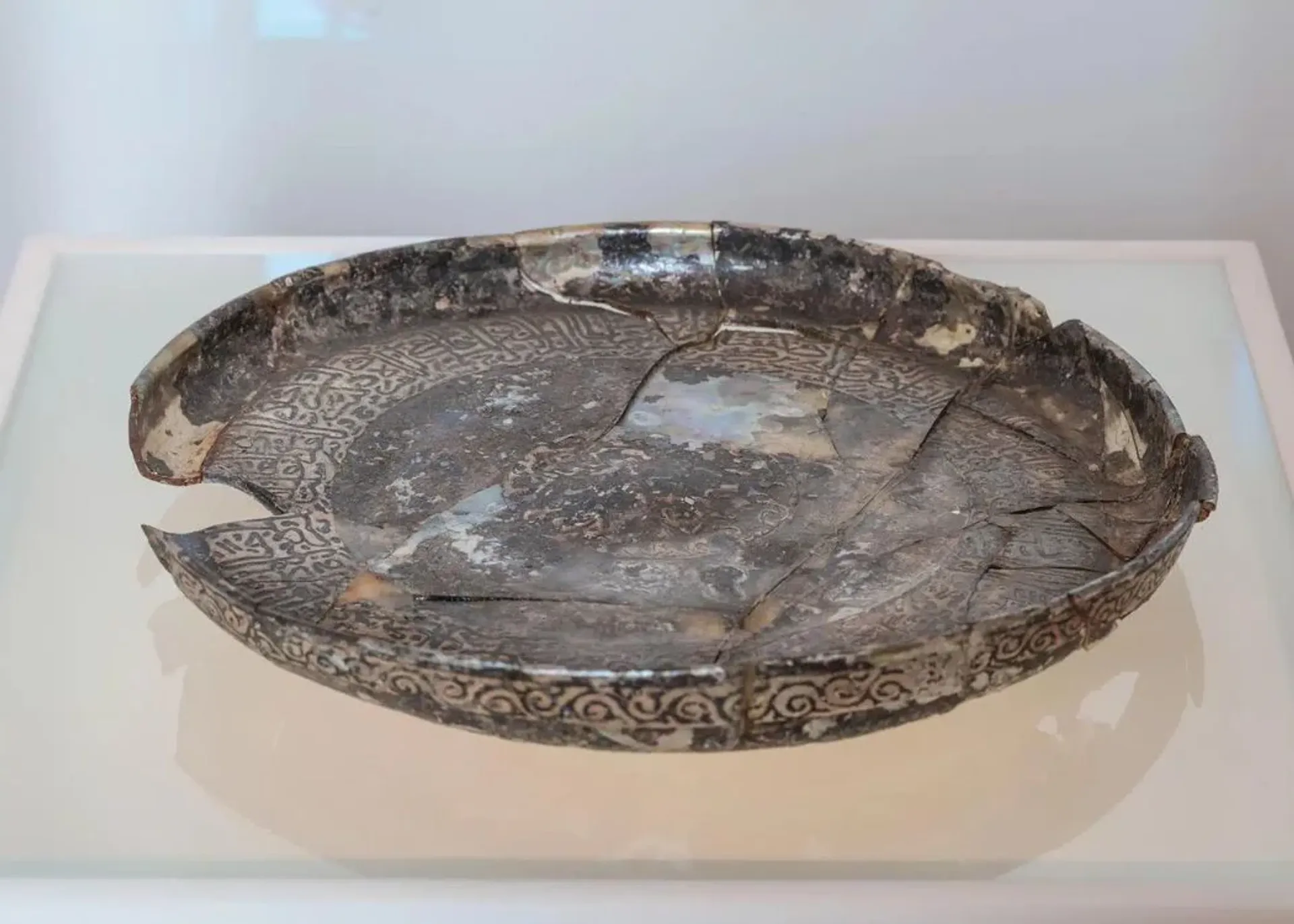
A kiemelkedő darabok közé tartozik a középkori Kubadabad üvegtál, az oszmán üvegfestmények, azaz revzen, a mamlúk üveglámpások, a Çeşm-i Bülbül üvegáruk, egy 19. századi kristályzongora és -szék, valamint II. Mahmud szultán tükrös díszhintója.
A gyűjtemény az Anatóliai Szeldzsuk időszaktól a késő oszmán korig terjedő tárgyakat, valamint különböző korokból származó európai üveg- és kristálymunkákat is magában foglal.
Igen. A múzeum egy felújított, U alakú kőépületben kapott helyet, amely a 19. századi építészetet idézi. Eredetileg Abraham pasa birtokának egyik istállóépülete volt.
Igen. A múzeumot körülbelül 360 dekar erdős terület veszi körül, amely egzotikus növényeket és 117 különböző fafajt tartalmaz. A növényvilág változatossága és történelmi jelentősége miatt a terület botanikai múzeumként is ismert.
A látogatók a szabadtéri területen nyulakkal és pávákkal is találkozhatnak. Ezek azonban szabadon mozognak a kertben, így nem garantálható, hogy minden látogatás alkalmával megpillanthatók.
Igen. A családok gyakran látogatják a múzeumot tágas kertje, játszótere és üvegműhelye miatt. A környéken élő állatok a szabadban tett látogatást a kisebb vendégek számára is élvezetessé tehetik.
Nem. A belépőjegy a múzeumba való bejutást fedezi. Az üvegműhelyben való részvétel külön program, amelyhez további díj vagy előzetes regisztráció is szükséges lehet. A műhely elérhetősége dátumonként is változhat.